A line that appears only when you frown, smile, or raise your eyebrows behaves differently from one that remains etched into relaxed skin. By examining when the wrinkle appears, what causes it, and what you want to change, you can judge whether botulinum toxin is worth discussing or whether another approach fits better.
Key takeaways
- Dynamic wrinkles deepen with movement and soften when facial muscles relax.
- Botox targets muscle activity, not etched-in lines or damaged skin.
- Forehead, frown, and crow’s-feet lines require different treatment decisions.
- Expect gradual results, temporary effects, and safety limits after treatment.
How to tell a dynamic wrinkle from a line etched into the skin
Dynamic wrinkles are suitable for consideration of Botox when they appear or deepen during muscle contraction and soften substantially when your face relaxes. Botulinum toxin temporarily reduces the activity of the targeted muscle, so it addresses the movement creating the line rather than repairing the skin itself.
Try this practical check:
- Raise your eyebrows: horizontal forehead lines that appear with the movement are dynamic wrinkles.
- Frown: “11” lines between the eyebrows that deepen with glabellar muscle contraction may fit this treatment.
- Smile or squint: lateral canthal lines, commonly called crow’s-feet, that become more obvious around the eyes may respond.
- Relax completely: if a crease remains clearly visible, it is a static line. Botox may soften the repeated movement but is less likely to erase the etched mark.
A line visible at rest can reflect sun damage, collagen loss, skin laxity, poor texture, or volume loss. Botox does not correct pigmentation, acne scars, significant sagging, or lost volume; those concerns may call for skincare, resurfacing, filler, or another approach.
Forehead treatment needs more than a line count. A clinician must assess brow position, upper-eyelid heaviness, and frontalis function because weakening that muscle can make the brows or eyelids look heavier.
In the United States, cosmetic labeling covers temporary improvement of moderate-to-severe forehead, glabellar, and lateral canthal lines in adults; other facial areas require individual assessment.
Which facial lines may respond, and when Botox is the wrong fit
Botulinum toxin fits lines driven by muscle movement: forehead lines that appear when you raise your eyebrows, glabellar lines—the “11” lines—that show while frowning, and crow’s-feet that deepen when you smile. It temporarily reduces contraction in the targeted muscle; it does not rebuild collagen or replace lost volume.
In the United States, FDA cosmetic labeling for BOTOX Cosmetic covers moderate-to-severe glabellar lines, lateral canthal lines, and forehead lines. That does not make it an approved treatment for every facial wrinkle.
| Concern | When Botox may address it | When a different treatment may be needed |
|---|---|---|
| Forehead lines | Dynamic lines during eyebrow lifting can respond | Assess brow position and frontalis strength; weakening this muscle can make brows or upper eyelids look heavier |
| Glabellar lines | Dynamic frown lines can respond | Deep etched lines may need resurfacing or topical treatment |
| Crow’s-feet | Dynamic lateral canthal lines during smiling can respond | Static creases may need resurfacing or selected filler |
| Volume loss or significant sagging | Botox does not restore volume or lift lax skin | Discuss filler, skin tightening, or surgery |
| Pigmentation, acne scars, or poor skin texture | Botox does not correct these problems | Consider sunscreen, topical treatment, or resurfacing |
Choose another approach when a line remains visible with your face fully relaxed, or when sun damage, collagen loss, or skin laxity drives it. Pregnancy, planned pregnancy, and breastfeeding require an individual risk discussion because human safety data are limited.
There is no fixed starting age; candidacy depends on your anatomy, goals, health history, and willingness to accept temporary effects and risks.
What Botox changes compared with skincare and other procedures
Botulinum toxin temporarily reduces targeted muscle contraction, so it is most useful for expression lines that deepen when you raise your eyebrows, frown, or smile. It does not replace lost volume, repair sun-damaged skin, or tighten loose skin.
| Option | Main change | Best match | Main limitation |
|---|---|---|---|
| Botox | Reduces selected muscle movement | Dynamic forehead, frown, and crow’s-feet lines | Limited effect on etched lines visible at rest |
| Dermal fillers | Restores volume or supports contours | Hollows, folds, and volume loss | Does not correct muscle movement or skin texture |
| Resurfacing treatments | Remodel or remove damaged surface skin | Texture, pigmentation, acne scars, and etched lines | Requires recovery and does not prevent expression lines |
| Skin-tightening procedures | Stimulate contraction or collagen remodelling | Mild laxity and reduced firmness | Cannot precisely replace Botox’s muscle-relaxing effect |
| Sunscreen | Limits ultraviolet damage | Preventing worsening pigmentation, collagen loss, and lines | Does not erase an existing wrinkle |
| Retinoids | Increase cell turnover and support collagen over time | Fine lines, uneven texture, and pigmentation | Results take time and irritation can limit use |
| Moisturiser | Adds water and reduces surface dryness | Dehydration lines and rough-feeling skin | Does not change muscle activity or structural volume |
A line that remains after your face is completely relaxed points toward skin damage, collagen loss, or laxity rather than movement alone. A clinician may recommend no injection, Botox alone, or a combination with sunscreen, a retinoid, resurfacing, or another procedure after identifying the cause.
What a suitability consultation and treatment visit involve
A clinician decides suitability by examining how the line behaves, not by age alone. The decision also depends on your anatomy, goals, medical history, and willingness to accept temporary results and possible adverse effects.
During a Botox consultation, the facial assessment should cover:
- Lines that appear during eyebrow raising, frowning, or smiling, and whether they remain visible at rest
- Brow position, eyelid position, and frontalis muscle strength before forehead treatment
- Skin texture, sun damage, pigmentation, volume loss, acne scarring, or laxity that Botox will not correct
- A known allergy to botulinum toxin or an ingredient, infection at the proposed site, and neuromuscular disorders
- Medicines that could intensify neuromuscular blockade, including certain muscle relaxants or antibiotics
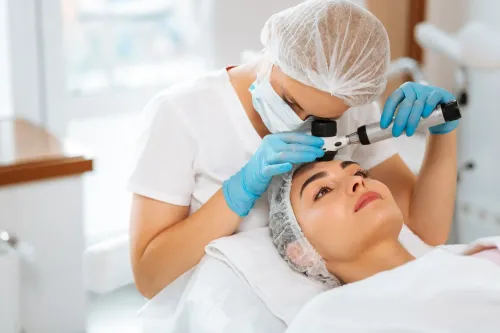
The clinician then explains whether the plan is no injection, toxin alone, or toxin combined with skincare or another procedure. At Skinzone Clinic-Skin, Hair & Aesthetic Clinic Pune, ask for the reason behind each proposed area rather than agreeing to every facial line being treated.
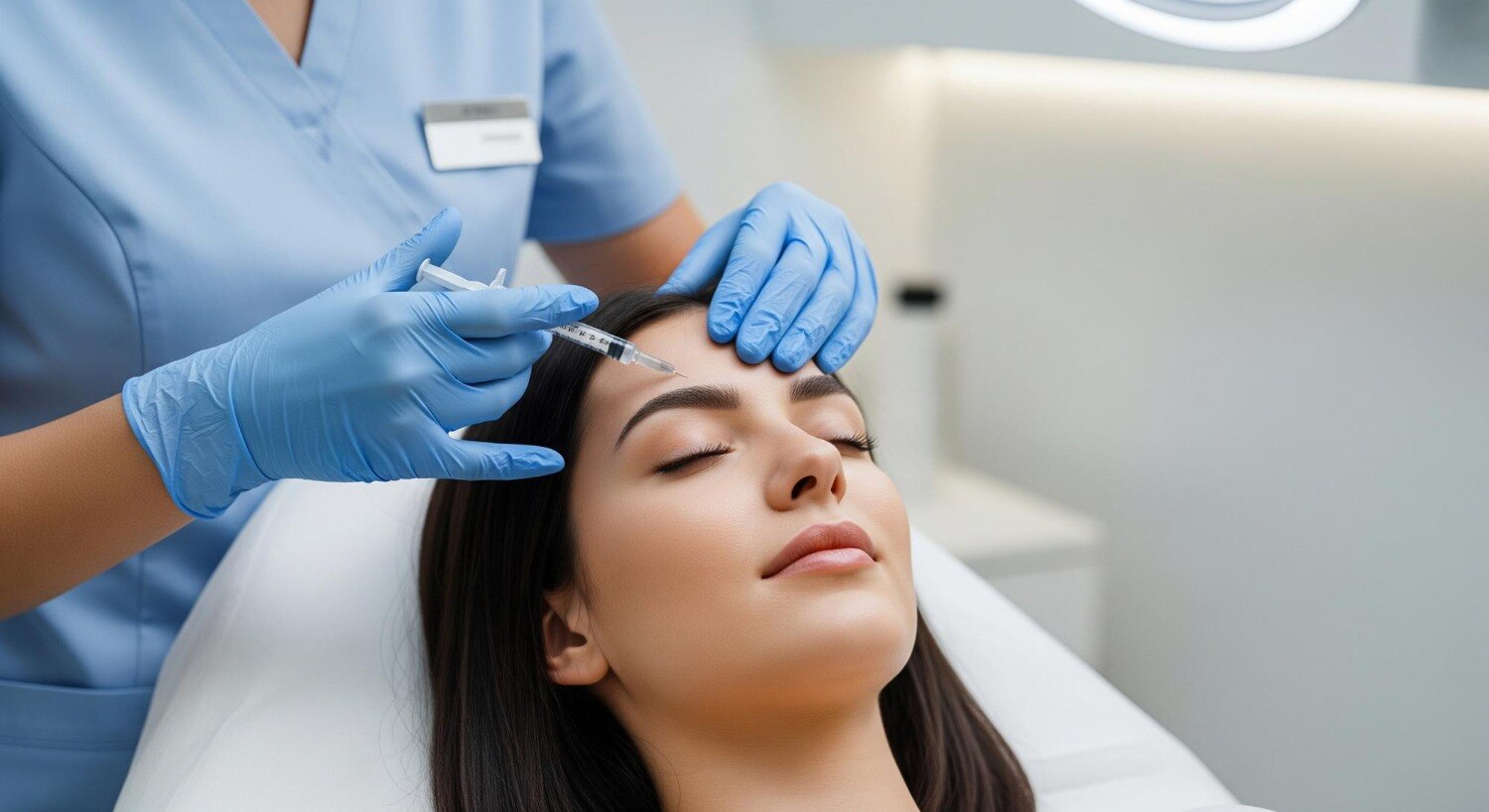
If treatment is appropriate, the clinician cleans the skin, asks you to activate the relevant muscles, and marks precise injection points. Small doses are placed into selected muscles with a fine needle; the appointment usually does not require anaesthesia or downtime, though brief redness or swelling can occur.
You should leave knowing which areas were treated, what result is realistic, and when the effect will be reviewed. Do not assume frequent repeat visits are necessary; reassess the previous result and allow the effect to wear off before another treatment.
Related service
Botox Treatment Specialist in Pune Botox Treatment Specialist in Bibwewadi, Kondhwa, Dhankawadi, Pune Botox Treatment in Pune – By Dr. Nirali Shah Pawar at Skinzone Clinic located at Bibwewadi,Pune. View service → |
What results, timing, and safety limits should you expect
Do not judge Botox results on the day of injection. The onset of action usually begins within several days, while the effect is assessed more reliably about 1–2 weeks later. A review at that point can show whether movement was reduced as intended and whether the result looks balanced.
- The first few days: little visible change is normal.
- Around 1–2 weeks: the result is easier to assess.
- About 3–4 months: the cosmetic effect commonly fades, although muscle strength, dose, treatment area, and individual response affect treatment duration.
Do not automatically repeat injections before three months. The safety and effectiveness of cosmetic injections at shorter intervals have not been clinically evaluated in the BOTOX Cosmetic labeling; reassess the previous result and allow the effect to wear off.
Side effects can include temporary injection-site pain, bruising, headache, facial asymmetry, or drooping of an eyelid or brow. Forehead treatment needs particular care: weakening the frontalis muscle can make low brows or heavy upper eyelids look worse if existing position and muscle activity are not assessed.
Tell the clinician about a botulinum toxin allergy, infection at the planned injection site, a neuromuscular disorder, or medicines that can increase neuromuscular blockade. Discuss pregnancy, planned pregnancy, or breastfeeding before elective treatment because human safety data are limited. Seek urgent medical help for trouble swallowing, speaking, breathing, or widespread weakness after treatment.
Frequently asked questions
How can you tell a dynamic wrinkle from an etched-in line?
A dynamic wrinkle appears or deepens when you contract a facial muscle and softens when your face relaxes. An etched-in line remains visible at rest.
Which facial lines may respond to Botox?
Botox may be considered for movement-related forehead lines, frown lines between the eyebrows, and crow’s-feet at the outer eyes after a suitability assessment.
When is Botox the wrong fit for a facial line?
Botox is not a direct fix for lines caused mainly by skin laxity, volume loss, texture changes, or damage that remains visible without muscle movement.
What should you expect from a Botox consultation and treatment?
A clinician assesses your facial movement, medical history, goals, and treatment area before discussing injection sites, expected timing, temporary results, and safety limits.