A HydraFacial appointment involves more than a device passing over your face: the clinician first checks whether your skin is ready, then adjusts exfoliation, suction and serum selection to your needs. By understanding each stage and the sensations involved, you can prepare properly, judge realistic results and recognise when another acne or skin treatment would be more appropriate.
Key takeaways
- Arrive with clean skin and bring your current skincare and procedure history.
- The session combines cleansing, exfoliation, extraction and serum infusion.
- Expect temporary pinkness, smoother texture and hydrated-feeling skin afterwards.
- Postpone treatment after recent procedures or during active skin irritation.
Before the Treatment: Arrival, Skin Preparation and Consultation
Arrive with clean skin if possible, or allow time for makeup removal before HydraFacial. Avoid applying heavy foundation, oils or thick occlusive creams immediately beforehand; they can hide redness and make the skin harder to examine. Bring a list of current skincare products and recent procedures, including dates.
1. During the HydraFacial consultation, describe your sensitivity, allergies, cold-sore history and current concerns. Tell the practitioner about retinoids and chemical peels, exfoliating acids, laser treatment, waxing and any recent injections or other resurfacing work.
2. The skin assessment checks for acne, open wounds, sunburn, active herpes, bacterial or fungal infection, eczema, rosacea, marked inflammation and suspicious lesions. Treatment should be postponed over compromised skin because suction can intensify irritation and poor equipment handling can spread infection.
3. Ask whether the planned suction strength and solutions suit your skin. Fragile or highly reactive skin needs gentler settings; identical vacuum intensity across every area can cause pinpoint bleeding or bruising.
4. Expect the practitioner to explain the intended goal, products and possible short-term effects, including redness, tightness, dryness or increased sensitivity. A HydraFacial is not a substitute for medical treatment of cystic acne, melasma, rosacea, scarring or suspicious lesions.
The consultation and preparation usually take only part of the appointment, but do not rush the disclosure of recent treatments. A complete session commonly lasts 30–60 minutes and usually needs no anaesthetic.
The Appointment Step by Step: From Cleansing to Serum Infusion
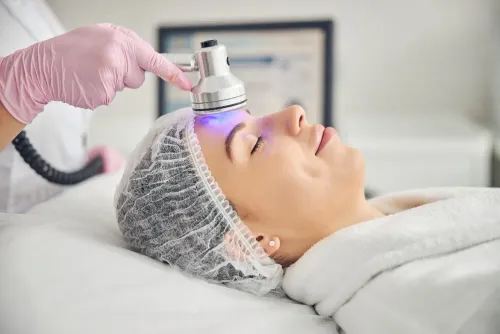
A complete session usually takes about 30 to 60 minutes. The HydraFacial steps are performed in sequence, with each pass lasting several minutes; timing changes with the device settings, skin sensitivity and treatment area.
1. The clinician first examines your skin and confirms the planned products. They check for active inflammation, open wounds, eczema, rosacea or recent procedures. This review takes a few minutes and should include discussion of allergies, pregnancy, breastfeeding and prescription acne medicines.
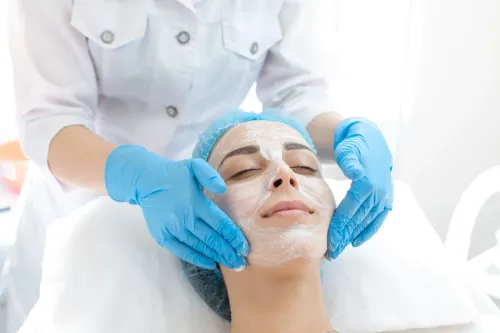
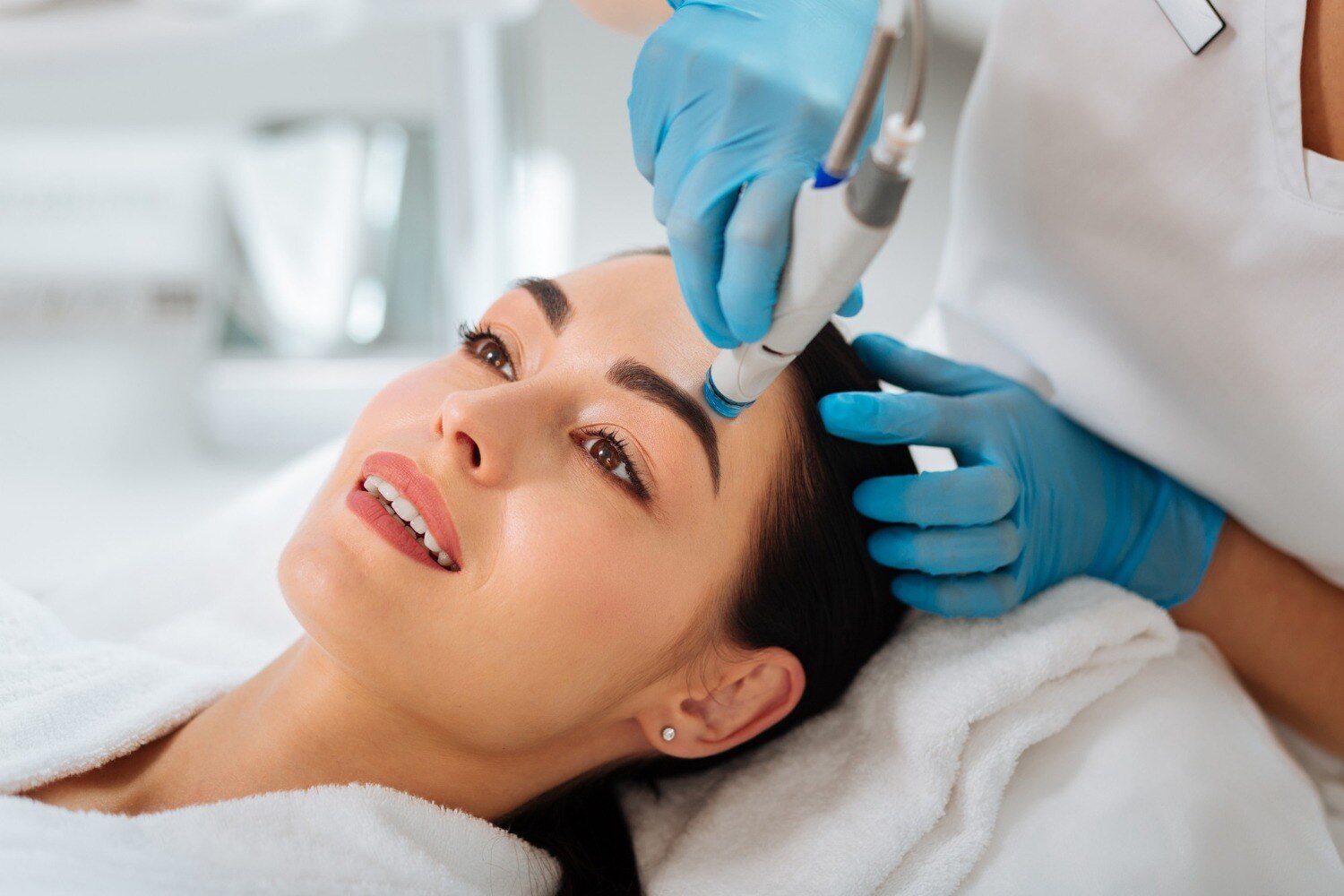
2. Cleansing and exfoliation remove makeup, oil and loose surface cells. The handpiece feels wet and lightly vibrating as it moves across your face, with little or no pain.
3. An acid peel is spread over the skin and left briefly before removal. Expect tingling, mild warmth or stinging, especially on irritated or barrier-damaged areas. Ask which acids and concentrations are being used.
4. Vacuum-assisted extraction loosens and lifts surface debris from pores. You feel rhythmic suction and pressure rather than the sharp pain associated with manual blackhead extraction; sensitive areas can feel tender.
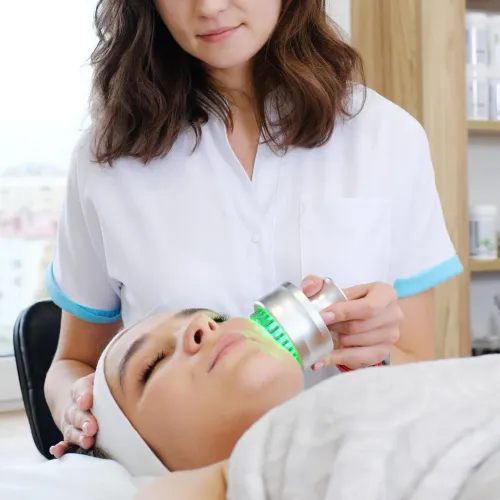
5. During serum infusion, the device applies a hydrating solution while gliding over the skin. The sensation is cool, slippery and mildly suctioning. Request the exact formulation because it may contain salicylic acid, fragrance or other active ingredients.
6. Finishing products, usually moisturizer and sunscreen, take only a few minutes. Your skin may feel hydrated or slightly tight and look pink briefly before you leave.
What the Suction and Serums Can Actually Do
The vacuum performs HydraFacial extraction by loosening and lifting superficial oil, keratin and comedonal debris through a smooth tip. It can reduce some blackheads and whiteheads without the pressure and bruising associated with manual squeezing, but it does not remove every plug.
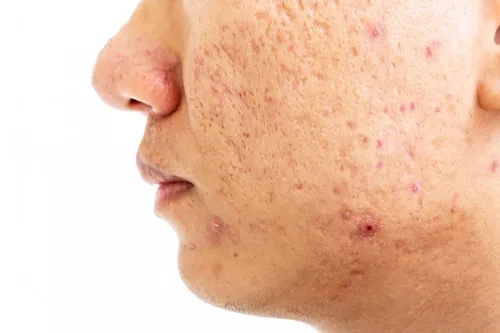
Deeply embedded comedones and inflamed acne lesions can remain, and inflamed acne needs medical acne treatment rather than aggressive suction.
| Skin pattern | Solution commonly considered | What it can address |
|---|---|---|
| Oily or congested | Salicylic acid serum | Surface oil and clogged pores; it will not permanently shrink pores |
| Dry or dehydrated | Hydrating serum | Tightness and temporary surface dryness; it cannot repair significant barrier damage alone |
| Sensitive or reactive | Mild, fragrance-free formula | Gentle hydration; stronger acids can increase stinging and redness |
| Uneven texture or dullness | Superficial exfoliating solution | Rough surface cells and temporary brightness; it will not remodel acne scars |
The clinician should match the formula to your skin barrier, oiliness, sensitivity and current medicines, not use one standard cocktail for everyone. Ask to see the ingredient list if you are pregnant, breastfeeding, allergic to an ingredient or using prescription acne medicines; formulations can contain acids, fragrance or other active ingredients.
Extraction usually feels wet, vibrating and mildly suctioning, while the acid portion is more likely to sting. Stop if burning becomes strong or persistent.
What Your Skin Looks and Feels Like Afterwards
Most people leave with skin that looks cleaner, smoother and more hydrated, with a temporary glow from surface exfoliation and serum infusion. You can usually return to work or ordinary activities immediately, because the treatment does not normally require anaesthetic or downtime.
For a few hours, redness and tightness can occur, especially after stronger suction or exfoliation. Mild dryness, swelling or increased sensitivity can follow. Pinpoint petechiae or bruising is not a desirable “detox” effect; it can indicate that the vacuum was too strong for fragile skin, so tell the operator if it develops or persists.
Your HydraFacial aftercare routine should stay simple until stinging and redness settle:
- Cleanse with a gentle, non-scrubbing product.
- Apply a plain moisturiser without irritating acids or fragrances.
- Use post-treatment sunscreen labelled broad-spectrum, preferably SPF 30 or higher, and reapply during outdoor exposure.
- Avoid picking, scrubs, retinoids and additional exfoliating products until your skin feels normal.
Recently exfoliated skin reacts more readily to ultraviolet exposure, so skipping sunscreen can prolong irritation and contribute to pigmentation. Contact a clinician if you develop marked swelling, blistering, worsening pain or a spreading rash rather than mild, fading pinkness.
HydraFacial results duration varies with your skin condition, products used and daily routine. The immediate glow is cosmetic and temporary; persistent acne, melasma, rosacea, scarring or suspicious lesions need diagnosis and condition-specific treatment rather than repeated facials.
When to Postpone Treatment and How to Plan Maintenance
Postpone treatment over sunburn, open skin, an active herpes outbreak, or a bacterial or fungal infection. A flare of eczema and rosacea also belongs on the HydraFacial contraindications list. Suction and exfoliation can worsen inflammation, delay healing, or spread infection across compromised skin.
- Ask the practitioner to examine the area before treatment. Disclose retinoids, exfoliating acids, recent chemical peels, laser treatment, waxing, and active dermatitis; combining resurfacing procedures too closely raises the risk of irritant dermatitis.
- Treat the diagnosis, not only its surface appearance. Inflammatory or cystic acne, melasma, rosacea, scarring, and suspicious lesions need medical assessment and targeted treatment rather than repeated facials that provide temporary cosmetic change.
- If you have darker or easily pigmented skin, request conservative suction, mild peel strength, suitable serum ingredients, and strict sun protection. Excess abrasion or inflammation can cause post-inflammatory hyperpigmentation.
Do not choose a fixed HydraFacial maintenance schedule from advertising. Repeat only after your skin has returned to baseline, the benefit lasted long enough to justify the cost and recovery, and the clinician has checked for irritation; redness, dryness, swelling, sensitivity, petechiae, or bruising mean you need more time or lower settings.
Skinzone Clinic-Skin, Hair & Aesthetic Clinic Pune can help distinguish a maintenance facial from a concern that needs dermatological care.
Related service
Hydra Facial Treatment Specialist in Pune Hydra Facial Treatment Specialist in Bibwewadi, Kondhwa, Dhankawadi, Pune Hydra Facial Treatment in Pune – By Dr. Nirali Shah Pawar Looking for glowing, healthy, and rejuvenated skin without downtime? Dr. View service → |
Frequently asked questions
What should you do before a HydraFacial appointment?
Arrive with clean skin when possible, avoid heavy foundation, oils and thick creams, and bring your current skincare and recent procedure history.
What happens during a HydraFacial session?
The appointment moves through cleansing, exfoliation, suction-assisted extraction and serum infusion, with the exact steps adjusted after consultation.
What can the suction and serums do?
Suction helps remove surface debris and loosened pore contents, while infused serums support hydration and leave skin feeling smoother.
What will your skin look and feel like afterwards?
Your skin may look temporarily pink and feel cleaner, smoother and more hydrated after treatment.
When should you postpone a HydraFacial?
Postpone treatment when you have active irritation or have recently had a procedure until a qualified clinician confirms that treatment is appropriate.