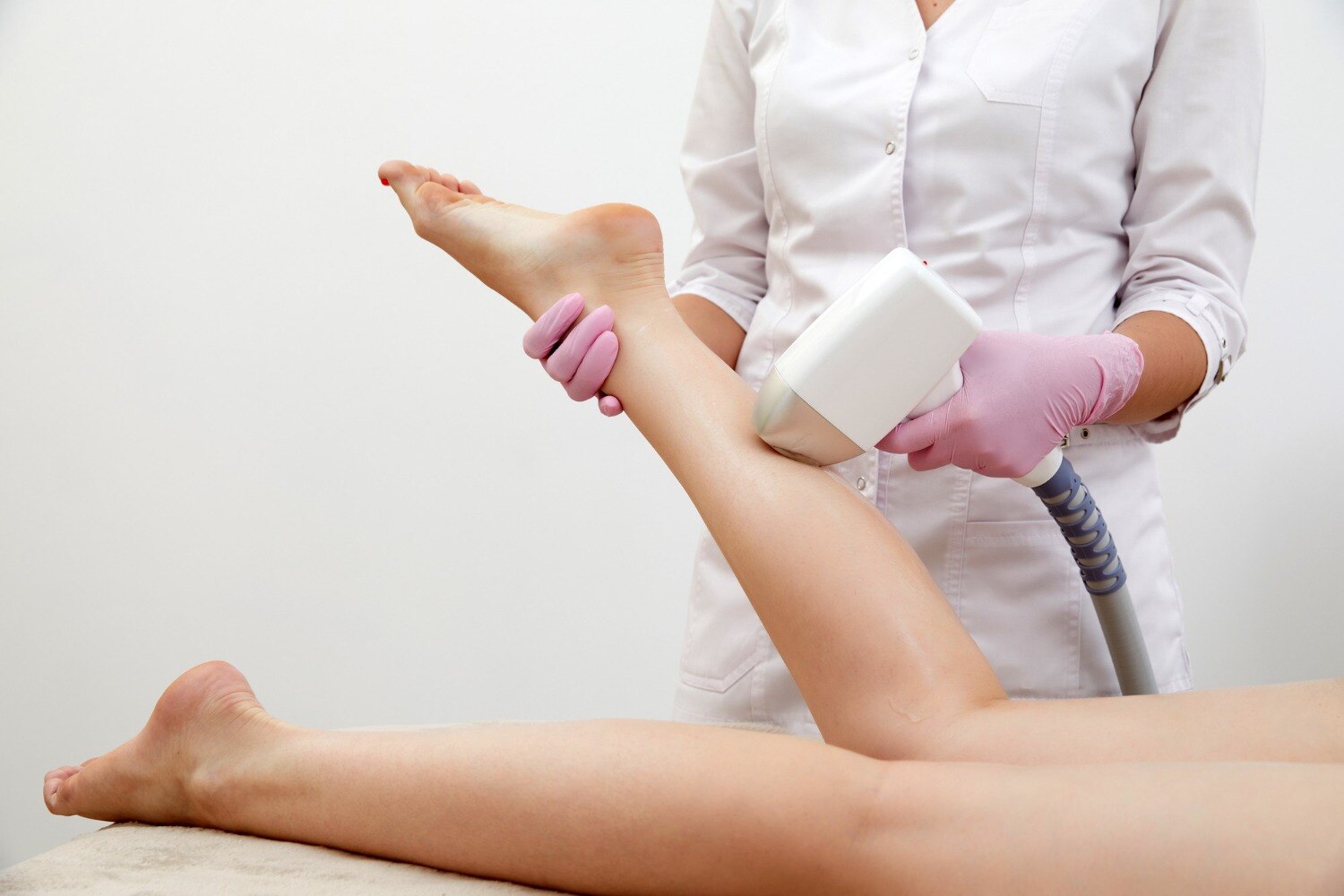
Most people need at least six laser hair reduction sessions, not one or two, because each appointment reaches only a portion of hairs in the active growth phase. By accounting for body area, hair and skin characteristics, treatment intervals, and maintenance, you can set a realistic schedule and compare clinics more intelligently.
Key takeaways
- Plan for six to eight sessions, then reassess your reduction and regrowth.
- Space sessions to target hairs during their active growth phase.
- Avoid waxing and plucking before treatment; shave instead if instructed.
- Check the device, clinician’s experience, pricing and follow-up policy before committing.
How many sessions should you plan for, and why are they spaced apart?
Plan for at least six laser hair reduction sessions; six to eight is a realistic starting range for many people. Your final number depends on hair thickness, density, body area, skin type and hormonal influences, so treat this as a plan for reassessment rather than a guarantee.
- Face: six or more sessions, with maintenance more likely because facial hair can be hormonally influenced and resistant.
- Underarms and bikini area: about six to eight sessions, followed by reassessment.
- Arms, legs, back and chest: about six to eight sessions, with extra sessions needed when hair is dense, fine or unevenly distributed.
Schedule appointments about four to six weeks apart. This timing follows the hair growth cycle: laser works best when a hair is in the anagen, or active-growth, phase. One appointment cannot target every follicle because hairs enter anagen at different times.
That is the reason for an anagen phase laser treatment schedule rather than weekly visits; treating too soon does not bring resting hairs into the target phase.
Look for slower regrowth, fewer hairs, smaller patches of returning hair and progressively finer strands. Shave between appointments, but do not wax, tweeze or epilate because plucking removes the follicle’s hair target.
If you see no reduction after two or three correctly timed sessions, ask the treating clinician to review the device settings, technique and treatment plan.
Why do body area, hair type, skin tone and hormones change the result?
Laser targets melanin in hair during its active growth phase, so body area, hair biology and hormone levels all change the response. Facial hair is often finer, more hormonally influenced and more resistant than coarse underarm or leg hair, which explains why face laser hair reduction may need extra sessions or maintenance.
- Face: Expect a less predictable response, especially with hormonal conditions such as polycystic ovary syndrome. New growth can continue even after existing hairs respond.
- Underarms and bikini area: Coarse, dark hair often gives a clearer response, but underarms laser sessions and bikini laser sessions still vary with density, hormones and skin type.
- Arms, legs, back and chest: Arms legs back chest laser hair reduction may involve different session counts because hair density, thickness and growth cycles differ across each area.
Hair colour matters. Black or brown hair absorbs laser energy more readily than white, grey or very light blond hair; electrolysis may suit those follicles better because it does not depend on melanin.
Darker skin requires carefully selected settings because the surrounding skin also contains melanin, while fine, lightly pigmented hair may respond poorly at low or poorly matched settings.
Laser provides long-term hair reduction, not guaranteed permanent removal. Some treated follicles stop producing visible hair, while others recover or new follicles become active. Hormonal stimulation can drive regrowth, and rare paradoxical hypertrichosis can make nearby facial hair denser or coarser. Maintenance treatment may therefore be part of the plan.
What should you do before and after each appointment?
Avoid tanning and postpone treatment if the area is sunburned. Apply broad-spectrum sunscreen and do not use self-tanner before the appointment. Shave before laser hair reduction, but stop waxing before laser, tweezing, or epilating so the follicle remains available for targeting.
- Tell the clinician about isotretinoin, antibiotics, photosensitising medicines, blood thinners, pregnancy, hormonal conditions, cold sores, keloid scars, active skin disease, and recent tanning.
- Ask whether a laser patch test is appropriate, especially if you have darker skin or changed medicines. Follow the clinic’s instructions before treating the full area.
- During treatment, expect cleaned skin, a test pulse, brief snapping heat, laser eye protection and cooling. Tell the clinician immediately if the heat feels sharply painful.
- Afterward, wash gently, avoid hot baths, saunas, vigorous exercise, tight clothing, and fragranced products for the period advised. Use sunscreen and do not pluck regrowth between sessions; shaving is acceptable.
| Reaction | What to do | When to seek medical advice |
|---|---|---|
| Mild redness or swelling around follicles | Cool the area with a clean compress | Contact the clinic if it lasts beyond 48 hours |
| Blisters, crusting, severe pain, or worsening swelling | Stop irritating products and photograph the area | Seek prompt medical advice |
| Marked lightening or darkening, facial swelling, or breathing difficulty | Do not apply unapproved creams | Get urgent medical care for breathing difficulty or rapid swelling |
When is laser a poor choice, and how does it compare with other hair-removal methods?
Laser for light hair is a poor choice when blond, red, grey, or white strands contain too little melanin for the device to target. Electrolysis for white hair is a better colour-independent option because it treats follicles individually, although it takes longer and depends heavily on operator skill.
| Option | Speed and discomfort | Regrowth and commitment |
|---|---|---|
| Laser | Several appointments; brief heat or snapping discomfort | Gradual, long-term reduction of dark hair; maintenance may be needed |
| Shaving | Fast, usually painless; results take minutes | Stubble can return within days; lowest commitment |
| Waxing | Removes hair quickly but can hurt and irritate skin | Smoothness can last weeks; repeated appointments, and no waxing before laser |
| Threading | Precise for small facial areas; discomfort varies | Hair returns as follicles regrow, often within weeks; little equipment needed |
| Depilatory creams | Fast and usually painless; leave on only for the label’s stated time | Results last longer than shaving but shorter than waxing; patch-test first |
| Electrolysis | Slow because each follicle is treated; discomfort varies | Permanent destruction of treated follicles is possible; requires repeated visits |
Choose laser over shaving when you want less daily upkeep and have coarse, dark hair with suitable skin contrast. Choose shaving when speed, low cost, or avoiding treatment discomfort matters more. The laser versus waxing decision favours laser for longer-term reduction, while waxing suits immediate smoothness.
Do not pluck or wax before laser; the follicle must remain available as a target.
What should you check before committing to a treatment course?
Do not pay for a package until the clinic explains who will treat you, which device and wavelength it uses, and how it will adjust settings for your skin tone. Ask for a patch test, especially if you are tanned or have a history of pigmentation, and ask how sun exposure changes your appointment date.
Use this laser clinic checklist:
- Ask whether a qualified clinician provides medical supervision laser hair reduction, and who handles burns, blistering or pigment changes.
- Ask whether the laser device for darker skin is a long-wavelength Nd:YAG system, and why it suits your skin type.
- Inspect the room: the operator should use new gloves, clean the treatment surface, provide protective eyewear and disinfect reusable equipment between patients.
- Confirm the interval, usually about 4–6 weeks, and whether you must shave rather than wax, tweeze or epilate before visits.
- Request a written estimate covering the number of sessions, per-session or package fees, taxes, cancellation rules, unused sessions and possible maintenance appointments.
- Ask whether the quote includes consultation, patch testing and treatment of all requested areas.
| Question | Useful answer | Warning sign |
|---|---|---|
| Device | Named laser, wavelength and skin-type settings | “One machine suits everyone” |
| Safety | Patch test and clinician-led review | No medical assessment |
| Cost | Itemised total and expiry terms | Pressure to prepay |
| Scheduling | Personalised 4–6-week plan | Fixed weekly appointments |
Skinzone Clinic-Skin, Hair & Aesthetic Clinic Pune should be able to explain these choices before you commit your laser treatment cost and time commitment.
Related service
Laser Hair Removal Clinic in Pune Laser Hair Removal Clinic in Bibwewadi, Kondhwa, Dhankawadi, Pune Dr Nirali Shah Pawar is one of leading dermatologist and skin specialist at Skinzone Clinic - Best Laser Hair Removal clinic in Pune. View service → |
Frequently asked questions
How many laser hair reduction sessions should you plan for?
Plan for at least six sessions, with six to eight as a realistic starting range for many people. Hair thickness, density, body area, skin type and hormonal influences affect the final number.
Why are laser hair reduction sessions spaced apart?
Laser works best on hairs in the active growth phase. Because hairs enter that phase at different times, appointments are spaced to treat more of them as they become responsive.
What should you do before and after laser hair reduction?
Avoid waxing, threading and plucking before treatment because they remove the hair root. Follow the clinic’s shaving instructions, protect treated skin from sun exposure and use the aftercare products recommended for you.
When is laser hair reduction a poor choice?
Laser is a poor choice when you cannot follow sun-protection or appointment requirements, when the hair lacks enough pigment for the device to target, or when a medical or hormonal issue is driving persistent excess growth without evaluation.