The right start date depends on whether you want temporary hydration, treatment of acne or pigmentation, gradual scar improvement, or a procedure with recovery and medical risk. Use the countdown to choose a consultation date, test unfamiliar treatments safely, protect your skin between visits, and leave enough time for unexpected redness, swelling, peeling or bruising.
Key takeaways
- Start your bridal treatment plan six months before the ceremony.
- Schedule procedures with enough recovery time for redness, peeling or swelling.
- Choose treatments for a specific concern, such as acne, pigmentation or texture.
- Keep treatments away from makeup trials, ceremonies and important travel.
Use a six-month countdown, not a final-week booking
Start your bridal glow treatment timeline six months before the ceremony, not during the final week. This gives you time to test your skin’s response, complete a treatment series and change course if irritation occurs.
1. Six months before wedding: Book the first consultation and disclose pregnancy, breastfeeding, keloid or abnormal-scarring history, active skin disease, medicines and allergies. Set goals, build home care and schedule patch testing or a conservative first session.
2. Three months before wedding: Begin treatments that need a series, such as microneedling, pigmentation care or laser hair removal. Microneedling redness and swelling can last several days, while collagen improvement develops gradually. Laser sessions are usually spaced four to six weeks apart, and recently tanned skin raises risk.
3. Four to six weeks before wedding: Complete a planned procedure you have already tolerated, leaving recovery time before photographs, makeup trials, mehendi or travel. Avoid introducing several products or procedures together.
4. One to two weeks before wedding: Schedule only familiar, low-irritation care. Botulinum toxin needs about one to two weeks for its full effect; fillers need longer planning because swelling, bruising, lumps or tenderness can persist. Do not book a first-time peel, laser treatment, injectable or aggressive facial here.
5. Forty-eight to 72 hours before wedding: Choose gentle hydration or a previously tolerated glow treatment only. Avoid new actives, waxing, exfoliation and anything that could trigger redness, peeling, breakouts or swelling.
Give every procedure the recovery time it actually needs
1. Schedule a first-time aesthetic treatment at least 2–4 weeks before the ceremony, and allow longer for resurfacing or injectables. Even a treatment promoted as gentle can cause redness, swelling, bruising, peeling, breakouts or pigment changes.
A familiar HydraFacial or medi-facial can fit 3–7 days before the wedding only if your skin has tolerated that exact treatment before; avoid it immediately before makeup trials or travel.
2. Plan a peel according to its depth, not its marketing name. A superficial peel needs several days for redness and scaling, so leave 1–2 weeks. Medium-depth peels can need 7–14 days of healing; book them at least 3–4 weeks ahead. Deeper peels require substantially longer recovery and are unsuitable for a last-minute glow.
Ask which acid, concentration and expected chemical peel downtime apply.
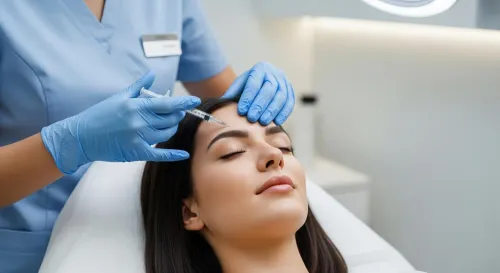
3. Book microneedling at least 2–4 weeks before the event. Redness, tightness, burning and swelling can last several days, while collagen improvement develops gradually; start a course weeks or months ahead rather than expecting an instant result. Schedule injectables, including fillers, at least 4–6 weeks ahead to allow swelling, bruising, lumps or adjustments to settle.
4. Laser timing depends on the device and depth: leave 2–4 weeks for non-ablative treatment and 6–12 weeks or the clinician’s advised period for ablative resurfacing. Laser hair removal is usually spaced 4–6 weeks apart; place the final session at least 1–2 weeks before the ceremony, especially if redness remains.
Never test a new procedure on compromised or infected skin.
Match the treatment to the concern you want to change
Pick the treatment for the change you want, not for its popularity. Dehydration needs barrier support; acne needs control; scars, pigmentation and fine lines need lead time. A glowing surface cannot hide untreated inflammation.
| Concern | Best-fit option | Realistic improvement before the wedding |
|---|---|---|
| Dehydration | HydraFacial vs medi-facial | Temporary hydration, smoother makeup application and a fresher surface; neither permanently repairs a damaged barrier. |
| Dullness | Conventional facial or gentle medi-facial | Short-term brightness and softness, not a lasting change in skin biology. |
| Uneven tone | Supervised peel or pigment-focused treatment | Gradual evening of mild discolouration; deeper or stubborn patches need multiple sessions. |
| Active acne | Dermatologist-directed acne treatment | Fewer new lesions and less inflammation; do not scrub, wax or aggressively exfoliate active breakouts. |
| Acne scars | Acne scar treatment such as microneedling or fractional resurfacing | Gradual softening of shallow scars; one session will not erase pits, and redness needs recovery time. |
| Pigmentation | Prescription care, peel or selected laser treatment | Pigment can lighten over a course, but sun exposure can bring it back. |
| Texture | Microneedling or a controlled peel | Smoother texture over weeks to months; temporary redness, tightness or peeling is possible. |
| Fine lines | Anti-ageing procedures, such as botulinum toxin or resurfacing | Botulinum toxin softens selected expression lines after several days; resurfacing improves texture gradually and can bruise or peel. |
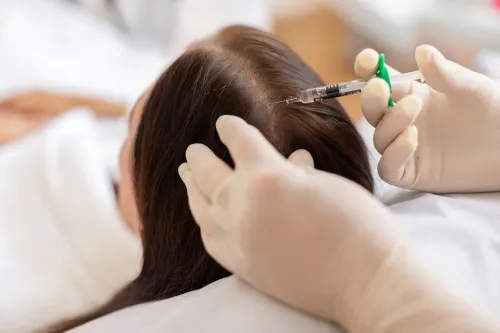
| Hair thinning | Cause-based medical assessment and hair-loss treatment | Reduced shedding or early regrowth takes months, so use styling or fibres for the wedding-day effect. |
Do not start a new procedure on skin with open wounds, dermatitis, cold sores or infection. Disclosure of retinoids, acids, acne medicines and hair-loss medicines helps prevent avoidable irritation.
Protect the schedule around makeup trials, ceremonies and travel
Place each appointment around the event it must not disrupt. Your bridal skincare schedule should leave recovery time before engagement photographs, the makeup trial, haldi and mehendi, flights, and the wedding itself.
- Engagement photographs: finish a peel, microneedling, laser, or hair-removal session early enough for redness, peeling, swelling, or breakouts to settle. Avoid intentional tanning, and use SPF 30 or higher, a hat, and shade while healing.
- Makeup trial: schedule it after your skin has returned to its normal texture. Do not test foundation over fresh peeling, needle marks, or irritation; the result will not show how your wedding makeup will sit.
- Haldi and mehendi: avoid procedures that leave the skin sensitive immediately beforehand. Friction, turmeric mixtures, fragrance, heat, and sun exposure can worsen irritation or trigger pigmentation.
- Flights: do not place a first-time procedure immediately before travel. Cabin dryness, airport sun exposure, and limited access to follow-up care can complicate swelling or a reaction.
- Wedding day: keep the final week for gentle, familiar care only. A first-time facial, peel, laser session, injectable, or IV infusion can cause visible recovery or an unexpected rash.
Laser hair removal needs sessions about 4–6 weeks apart, so plan the course months ahead; avoid a session on recently tanned skin. If you choose botulinum toxin, allow at least two weeks for results and bruising to settle, with a longer buffer for a first treatment. Confirm every interval with a qualified clinician.
Make medical suitability part of the bridal plan
A wedding date does not make a treatment medically suitable. Before booking, tell the clinic about your health, skin history, medicines and previous reactions, whether you are considering an IV infusion, laser, peel, microneedling or injections.
Disclose:
- Pregnancy and breastfeeding, plans to conceive, allergies, asthma, kidney or liver disease, diabetes, and any previous reaction to medicines or IV treatments.
- Every medicine and supplement, especially anticoagulants, isotretinoin, steroids, antibiotics and products that increase sun sensitivity.
- Rosacea and eczema, active acne, cold sores, dermatitis, open wounds or infection. A history of herpes around the lips or face matters before procedures there.
- A tendency to form keloids or abnormal scars, and any previous poor healing or pigment changes after treatment.
- Recent tanning, laser or peel treatments, cosmetic injections, surgery, and the exact date of your wedding, travel and major photographs.
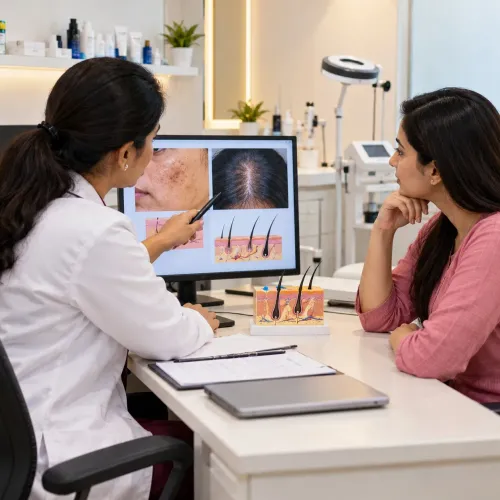
A qualified clinician can examine your skin, review the proposed product and settings, identify contraindications, and separate a realistic recovery window from a risky last-minute appointment.
They can also decide whether a patch or test spot is needed and whether IV glow therapy or IV glutathione therapy is appropriate after reviewing your medical history—not simply because it appears in a bridal package.
At Skinzone Clinic-Skin, Hair & Aesthetic Clinic Pune, use the consultation to compare a familiar facial with a first-time procedure or infusion and document the product, expected reactions, warning signs and follow-up plan before paying for a course.
Related services
IV Glow Drip Therapy Clinic in Pune IV Glow Drip Therapy Clinic in Bibwewadi, Kondhwa, Pune IV Glow Drip Therapy – Radiance from Within Give your skin and body the ultimate boost with our IV Glow Drip Therapy – a powerful infusion of... View service → |
IV Glutathione Drip Therapy Clinic in Pune IV Glutathione Drip Therapy Clinic in Bibwewadi, Kondhwa, Pune Revitalize your skin and body from within with our IV Glutathione Drip Therapy – a safe and effective treatment designed to boost your health,... View service → |
Frequently asked questions
How early should you start a bridal glow treatment plan?
Start six months before the wedding so you can test your skin’s response, complete a treatment series and change course if irritation occurs.
How much recovery time should you allow after a bridal treatment?
Allow the full recovery period for the specific procedure, including possible redness, peeling or swelling, before makeup trials, ceremonies or travel.
How do you choose the right bridal skin treatment?
Match the treatment to the concern you want to change, such as acne, pigmentation, uneven texture or dullness, rather than choosing a treatment by name alone.
Why should medical suitability be part of bridal treatment planning?
A clinician should review your skin, medical history, medicines and event schedule before recommending a procedure.
Related services
Medi-Facial Treatment Specialist in Pune Medi-Facial Treatment Specialist in Bibwewadi, Kondhwa, Dhankawadi, Pune Looking for advanced skin care beyond regular facials? A Medi-facial is a scientifically designed skin treatment that combines medical-grade... View service → |
Hydra Facial Treatment Specialist in Pune Hydra Facial Treatment Specialist in Bibwewadi, Kondhwa, Dhankawadi, Pune Hydra Facial Treatment in Pune – By Dr. Nirali Shah Pawar Looking for glowing, healthy, and rejuvenated skin without downtime? Dr. View service → |
Anti-Ageing Treatment in Pune Anti-Ageing Treatment in Bibwewadi, Kondhwa, Dhankawadi, Pune Looking for the best anti-aging treatment in Pune? At Skinzone Clinic, led by renowned dermatologist Dr. View service → |