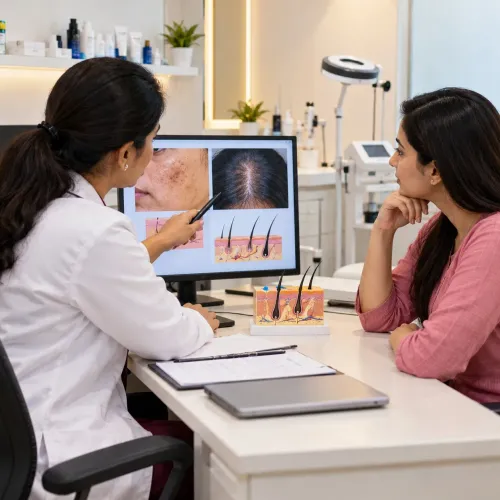
Hair thinning can develop gradually enough that people do not immediately notice it. A slightly wider parting, receding temples, reduced density around the crown, or increased scalp visibility may become apparent only after comparing photographs taken months apart.
When permanent pattern hair loss progresses and suitable donor hair is available, a Hair transplant may be considered as one option for restoring coverage.
However, transplantation is not simply a matter of moving as many follicles as possible. Careful assessment and long-term planning are central to achieving a natural-looking result.
What Happens During a Hair Transplant
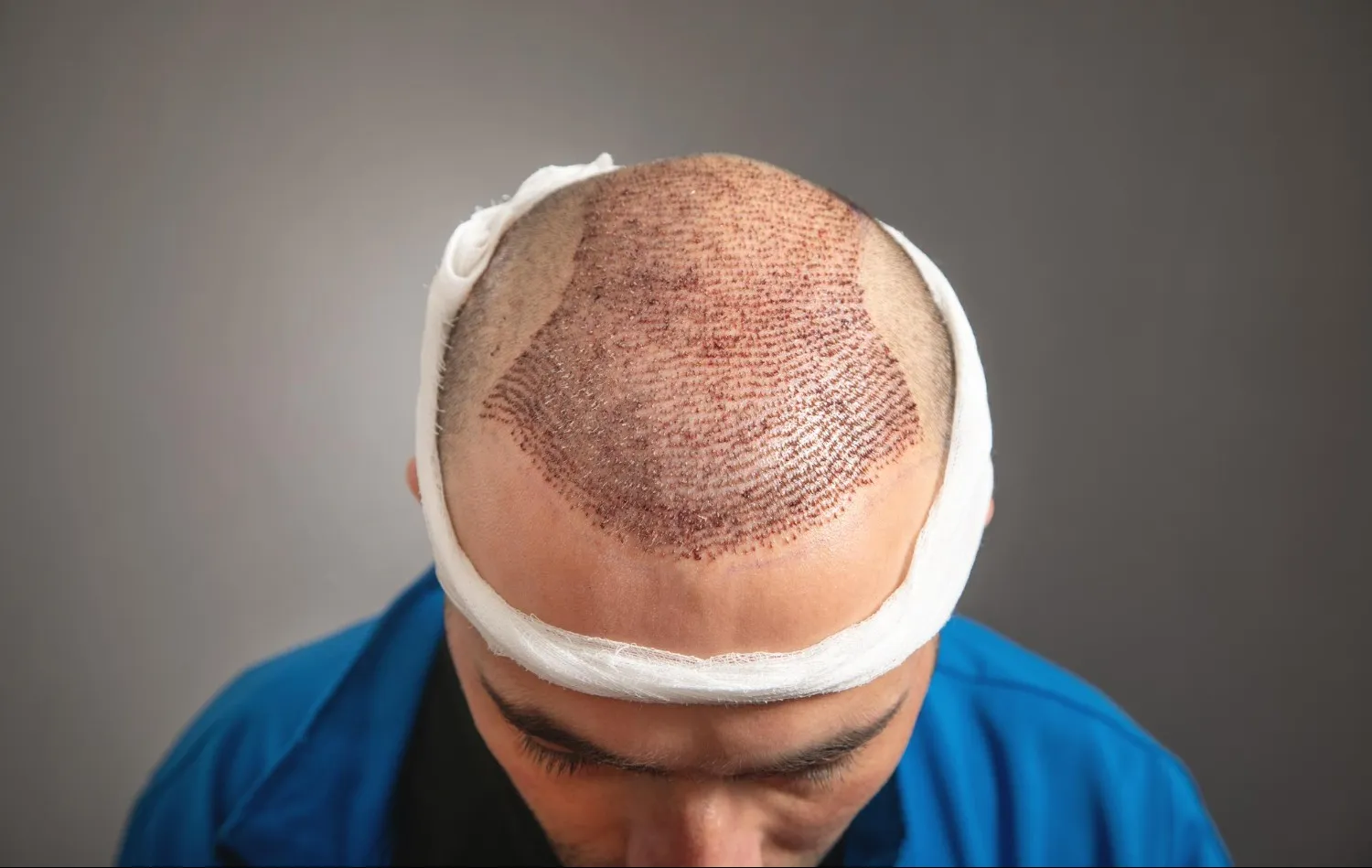
Hair transplantation involves relocating suitable hair follicles from a donor area, commonly the back or sides of the scalp, to areas affected by thinning or hair loss.
The transplanted follicles are strategically placed according to factors such as:
- Existing hair density
- Direction of natural hair growth
- Hairline design
- Donor availability
- Extent of hair loss
- Facial proportions
- Expected future progression
The objective is not simply maximum density. A good plan needs to preserve donor resources while creating coverage that remains appropriate as the person's natural hair changes over time.
Who May Be Suitable
Not everyone experiencing hair fall immediately needs transplantation.
Temporary shedding caused by stress, nutritional problems, illness, medications, or other factors may require investigation and medical management first. Some individuals with early-stage thinning may also have non-surgical options worth considering.
Hair transplantation is generally evaluated when there is established hair loss and an adequate donor area.
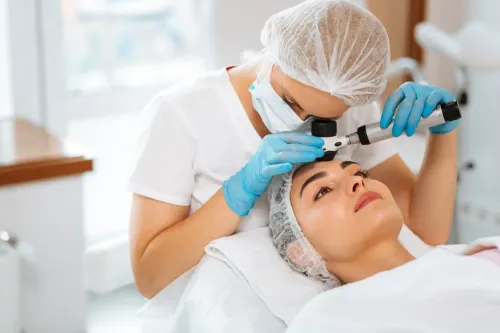
A detailed scalp and hair assessment helps determine whether surgery is appropriate at the current stage.
Why Donor Hair Matters
The donor area contains a limited number of usable follicles. Once follicles are harvested and transplanted, they cannot simply be replaced in the donor region.
This makes donor management one of the most important parts of planning.
Removing too many follicles may create visible thinning at the back of the scalp. Using too many grafts for an unnecessarily low or dense frontal hairline may also reduce the number available if additional hair loss develops later.
Long-term planning therefore matters as much as the immediate cosmetic goal.
Natural Hairline Planning
A natural hairline should complement the person's facial structure, age, existing hair pattern, and potential future hair loss.
Extremely low or sharply defined hairlines may look attractive in photographs immediately after planning but may not remain natural as a person ages.
The angle and direction of implanted follicles are equally important because naturally growing hair does not emerge vertically from every area of the scalp.
Recovery and Hair Growth Take Time
Transplanted hair does not produce an instant final result.
Some transplanted hairs commonly shed during the early period after the procedure. New growth develops progressively, and density continues changing over subsequent months.
Following post-procedure instructions regarding scalp care, washing, medication, physical activity, and follow-up appointments can support appropriate recovery.
Making an Informed Decision
People considering a hair transplant in Pune, Maharashtra, should focus on diagnosis, donor assessment, realistic density expectations, procedural planning, and long-term hair-loss management rather than choosing treatment based only on graft numbers.
At Skinzone Clinic, hair restoration assessment can help determine the pattern and extent of hair loss before discussing whether transplantation is suitable.
A successful treatment plan starts by understanding both the hair that has already been lost and the hair that may be at risk in the future.
Keywords