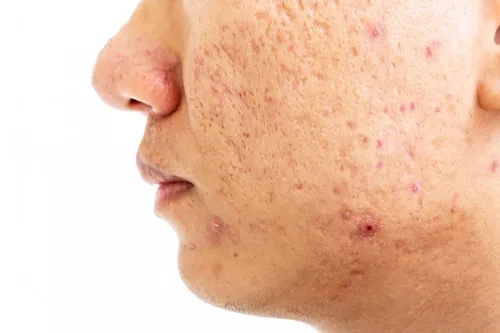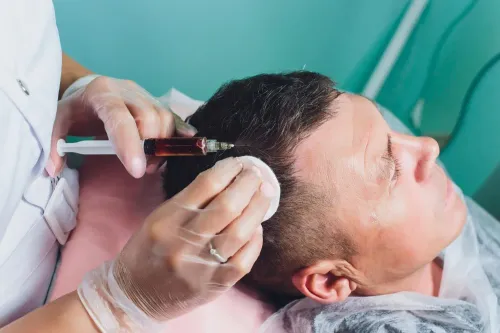

A hollow temple, flat cheek, weak chin, or deep fold does not always need the same kind of correction, and adding volume indiscriminately can make the face look heavy. By the end, you will know how clinicians match facial areas, filler materials, injection techniques, alternatives, expected results, and safety precautions to a specific contouring concern.
Key takeaways
- Facial contour depends on volume location, skin laxity, fat, muscle, and bone.
- Ask how placement will address your anatomy, not just which filler will be used.
- Judge swelling-sensitive results after the recommended settling period.
- Choose a licensed medical provider with appropriate facial anatomy and complication training.
Which facial areas contribute to facial volume and contour?
Facial contour depends on where volume sits, not simply how much exists. An injector distinguishes volume loss from lax skin, displaced fat, muscle movement, and bone structure; a fold, jowl, or eyelid bag is not automatically an injection target.
| Area | Contribution to contour | Why the visible concern may need a different target |
|---|---|---|
| Cheeks | Restore lateral fullness and midface projection | Nasolabial folds can soften when cheek support improves; laxity will not disappear |
| Temples | Soften hollowing at the outer forehead | Hollow temples may reflect bone shape or broader fat loss |
| Lips | Lip filler injections change border definition, projection, and proportion | Vertical lines or an unbalanced lower face may require support elsewhere |
| Chin | Improve lower-face balance and side-profile projection | A weak profile can involve jaw or bone structure, not only chin volume |
| Jawline | Define the mandibular edge | A heavy jawline or jowl may reflect laxity, fat displacement, or muscle |
| Tear trough | Treat a selected hollow between lower eyelid and cheek | Tear trough filler is unsuitable when prominent fat pads, edema, or excess skin cause the baggy appearance |
| Marionette lines | Support around the mouth and chin can soften them | Filling each line directly can create heaviness |
Adjacent areas interact: one-sided cheek, temple, or chin loss can make the whole face appear tilted, so symmetry matters. Tear-trough treatment is particularly unforgiving; filler can worsen puffiness or show through thin skin. Contouring is often staged, because adding volume to every visible line can produce an overfilled result.
How does an injector plan placement instead of simply adding fullness?
Placement begins with assessment, not a syringe. The clinician compares facial proportions, facial thirds, width-to-height ratios, profile projection, facial asymmetry, skin laxity, bone structure, muscle movement, fat distribution, and any previous filler or implants before choosing a product and filler placement depth.
Photographs and facial marking record the plan from front, side, and oblique views. Asking you to smile, frown, close your eyes, or relax helps distinguish a static hollow from a crease created by movement; injecting the latter as if it were fixed volume can produce stiffness or excess fullness.
A contouring plan may follow this sequence:
- Build projection or structural support in the cheek, chin, or jaw with deeper placement.
- Use smaller amounts in selected superficial depressions, where too much product can become lumpy, palpable, bluish from the Tyndall effect with hyaluronic acid, or visibly overfilled.
- Reassess after swelling settles and add conservatively in stages instead of filling every visible line during one visit.
| Placement level | Main purpose | What can go wrong |
|---|---|---|
| Deep | Projection, support, and smoother transition zones | Excess volume can make the face heavy or distort proportions |
| Superficial | Small correction of a selected depression | Product can show, feel uneven, or create bluish discoloration |
| Needle or cannula access | Reach the planned layer with control | Neither eliminates vascular risk; anatomy, slow low-pressure injection, and readiness to treat complications still matter |
A fold may improve by supporting nearby structure rather than filling the fold itself. Treatment cannot tighten lax skin, reposition displaced fat, or recreate a facelift.
Which filler material or alternative fits the contouring problem?
Choose the material by the deficit you want to change: a soft hollow, firm structural support, gradual skin thickening, muscle movement, or tissue descent. Injection depth, facial movement, water attraction, firmness, and longevity affect whether the result looks stable or becomes swollen, mobile, palpable, or overfilled.
| Option | What it changes | Key trade-off |
|---|---|---|
| Hyaluronic acid filler | Immediate, shapeable volume and projection | Attracts water; swelling, firmness, and persistence vary by formulation and area. Hyaluronidase can often reduce it. |
| Calcium hydroxylapatite | Initial structure and some collagen stimulation | Firmer and not reversible with hyaluronidase; depth and placement matter. |
| Poly-L-lactic acid | Gradual volume through collagen production | Results develop over multiple treatments and cannot be dissolved with hyaluronidase. |
| PMMA filler | A relatively permanent framework | Permanent microspheres demand careful selection because hyaluronidase does not dissolve them. |
| Botox | Muscle activity, such as a dynamic crease | Does not replace lost volume or project the chin, cheek, or jaw. |
| Fat grafting | Volume using your own tissue | Requires a procedure, and retained volume varies. |
| Thread lift | Temporary mechanical support | Lifts selected tissue but does not create true volume. |
| Implants or surgery | Structural change or stronger lifting | Greater invasiveness, recovery, and procedural risk. |
| Weight management | Overall fat distribution | Cannot target one hollow, fold, or contour deficit precisely. |
A mobile or fluid-sensitive area can change after an initially good result as weight, edema, aging, tissue descent, or product position changes. Hyaluronidase is not a universal antidote: it does not dissolve calcium hydroxylapatite, poly-L-lactic acid, or PMMA filler.
What happens during treatment, and when should you judge the result?
1. A filler consultation begins with your goals: restoring cheek projection, softening a hollow, defining the jawline, or improving balance. Discuss your medical history, prior filler, permanent implants, autoimmune or inflammatory disease, active infection, bleeding disorders, pregnancy or breastfeeding, and medicines or supplements that increase bruising.
2. The clinician marks the face while you sit and move naturally, then cleans the skin with antiseptic. Topical anaesthesia or local anaesthesia may improve comfort. Treatment is usually brief, but duration varies with the number of areas, product, and injection plan.
3. The injector places product in a planned sequence using a needle, cannula, or both. Cannula versus needle is a choice based on access, depth, precision, and anatomy; neither removes vascular risk. Conservative placement helps avoid lumps, excessive fullness, and a heavy appearance.
4. Redness, tenderness, itching, filler swelling and bruising can hide the contour immediately after treatment. Wait until early inflammation decreases before judging the result; a review can identify residual asymmetry or under-correction, while adding product too soon can worsen overfilling.
How long the result lasts is an estimate, not an expiry date. Movement, metabolism, sun exposure, tissue descent, weight change, product type, facial area, and injected amount all matter. Ask the treating clinician for the expected range for your chosen product and site.
How can you reduce filler risks and choose an appropriate provider?
Swelling, tenderness, redness, bruising, and itching often settle as early inflammation decreases. Infection, persistent nodules, delayed inflammatory reactions, migration, or asymmetry need medical review, especially when they appear weeks or months later.
Choose a licensed injector who examines your anatomy and uses conservative volume, correct depth, slow low-pressure injection, and a documented emergency plan. A cannula does not eliminate vascular injury, and aspiration does not reliably exclude intravascular placement. Avoid needle-free pens, online filler products, and injections in nonmedical settings.
Ask before treatment:
- Who will inject, and what training do they have in facial anatomy and complications?
- Which product is being used, for which indication, and is it hyaluronic acid (HA)?
- How will a suspected vascular occlusion be recognised and treated?
- When is follow-up scheduled, and whom do you contact after hours?
| Sign | What it may indicate | What to do |
|---|---|---|
| Severe pain, blanching, or mottled or dusky skin | Vascular occlusion | Seek immediate emergency treatment; do not wait for observation |
| Sudden visual symptoms | Possible eye or vascular involvement | Treat as an emergency immediately |
| Persistent lump, infection, or asymmetry | A complication needing assessment | Contact the treating clinician promptly |
Experienced clinicians may use hyaluronidase for an HA-related occlusion or overcorrection, but it does not dissolve calcium hydroxylapatite, poly-L-lactic acid, or PMMA and is not a universal antidote. In Pune, Skinzone Clinic-Skin, Hair & Aesthetic Clinic Pune is one clinic to evaluate by asking these questions before consenting.
Related service
Dermal Fillers Treatment in Pune Dermal Fillers Treatment in Bibwewadi, Kondhwa, Dhankawadi, Pune Dermal Fillers Treatment in Pune by Dr. Nirali Shah Pawar at Skinzone Clinic located in Bibwewadi, Pune. View service → |
Frequently asked questions
Which facial areas contribute to facial volume and contour?
The cheeks, temples, lips, chin, jawline, under-eye area, facial fat compartments, muscles, skin, and underlying bone all influence contour. A visible fold or bag is not automatically a filler target.
How does an injector plan filler placement?
The injector assesses facial proportions, asymmetry, volume loss, skin laxity, displaced fat, muscle movement, and bone structure. They then select injection points, product volume, and treatment depth instead of filling every hollow.
Which filler material or alternative fits a contouring problem?
Hyaluronic acid filler is reversible with hyaluronidase, while calcium hydroxylapatite and poly-L-lactic acid have different properties and limitations. Skin tightening, neuromodulators, fat grafting, implants, or surgery may suit problems that filler cannot correct.
What happens during treatment, and when should you judge the result?
The provider reviews your goals, examines your face, marks sites, cleans the skin, and injects measured amounts with a needle or cannula. Swelling and bruising can distort the result, so follow the provider’s timeline before judging it.
How can you reduce filler risks and choose an appropriate provider?
Use a licensed medical provider who explains risks, product name, treatment plan, emergency symptoms, and aftercare. Confirm the product is sealed and labelled, and seek urgent care for severe pain, blanching, vision changes, or neurological symptoms.