

Botox works by temporarily reducing the muscle contractions that create certain expression lines, so it is not the right answer for every wrinkle or change in facial appearance. By the end, you will know which lines it can address, what to disclose before treatment, what results and risks to expect, and which questions to ask before consenting.
Key takeaways
- Botox best treats lines that deepen when you move facial muscles.
- Choose filler or another option when lost volume or skin texture drives the concern.
- Discuss medicines, medical conditions, goals, dosing, and expected results before injections.
- Plan for gradual results, aftercare, temporary effects, and repeat treatments.
Which Facial Lines Respond Best to Botox?
A line is a strong Botox candidate when it appears or deepens as you contract a facial muscle, then softens when your face relaxes. These are dynamic wrinkles. How Botox works is by temporarily reducing the targeted muscle’s contraction, unlike a filler, which adds volume beneath the skin.
| Line type | Movement clue | Likely Botox response |
|---|---|---|
| Forehead lines | Deepen when you raise your eyebrows and soften at rest | Good response when caused by frontalis movement; treatment must preserve natural brow support |
| Glabellar lines or 11 lines between the eyebrows | Appear when you frown or draw your eyebrows together | Good response when caused by the muscles between the brows |
| Crow’s-feet | Spread from the outer eyes when you smile or squint | Good response when caused by repeated eye-muscle movement |
| Lines visible at rest | Remain etched into the skin after you stop moving | Partial improvement; the crease itself may remain |
Try this observation before your consultation: look at your face relaxed, repeat the expression that creates the line, then relax again. A line that changes clearly with movement is more likely to respond than one caused by lost volume, stretched skin, pigmentation or etched-in texture.
Botox will not directly replace facial volume or remove significant skin laxity.
A clinician should assess your expression, resting appearance, brow position and facial anatomy. Forehead injections require particular care because excessive weakening can lower the brows or eyelids and create an unnatural shape.
When Is Botox the Wrong Tool for a Facial Concern?
A line that remains visible while your face is relaxed is not automatically a Botox problem. Botox reduces muscle contraction; it does not replace lost facial support, repair damaged skin or tighten substantial excess skin.
| Concern | Why Botox is the wrong or incomplete tool | Better direction |
|---|---|---|
| Volume loss in the cheeks, temples or under-eyes | Botox does not add tissue beneath the skin and can make a hollow look more noticeable if placed poorly | Discuss fillers or another volume-restoring plan with a qualified clinician |
| Static lines and etched-in texture | Weakening the muscle may soften movement, but it will not erase a crease already carved into the skin | Consider sunscreen, a prescribed retinoid, resurfacing or a staged combination plan |
| Sun spots, pigmentation or acne scars | These changes are not caused by facial-muscle contraction | Use a pigment or scar treatment plan, such as topical therapy, peels or laser-based resurfacing |
| Significant skin laxity | Botox cannot remove excess skin or restore major sagging | Seek assessment for tightening treatments or surgery |
| Lines unrelated to movement | Treating the wrong muscle can produce little benefit or affect expression | Choose no injection until the cause is clear |
Crow’s-feet caused mainly by repeated smiling can fit Botox, but deep static crow’s-feet may need skin treatment as well. Injections into the nose, lips, chin or masseter require a separate risk assessment because nearby muscles influence smiling, speech, chewing and swallowing.
Do not bundle fillers, resurfacing and Botox automatically. Plan the order and recovery time with the clinician, and choose no procedure if the expected improvement is small or the risk does not match your goal.
What Should You Discuss Before the Injections?
A useful Botox consultation starts with an examination, not a suggested dose. The clinician should compare your face at rest and during frowning, raising the eyebrows and smiling, then assess asymmetry, eyelid or brow position, skin quality and the result you want. This helps separate movement-related lines from changes that need another treatment.
Provide this information before deciding:
1. Your medical history, including neuromuscular disorders such as myasthenia gravis, Lambert-Eaton syndrome or amyotrophic lateral sclerosis, swallowing or breathing problems, and previous reactions to injections.
2. Every medicine and supplement you use, especially aminoglycoside antibiotics, muscle relaxants, medicines affecting neuromuscular transmission, and any previous botulinum-toxin injections.
3. Whether you have an active infection, broken skin or inflammation at the proposed injection sites. Do not inject through an active infection, and report any known hypersensitivity to botulinum toxin or its ingredients.
4. Your pregnancy and breastfeeding status. Human safety data are limited, so elective cosmetic treatment is commonly deferred after an individual discussion.
5. The exact product, treatment areas, intended endpoint, total dose, injector’s medical credentials and complication plan. Ask how the product’s source and storage are verified; counterfeit or mishandled toxin can cause serious harm.
For example, Skinzone Clinic-Skin, Hair & Aesthetic Clinic Pune should document these decisions rather than treating a fixed menu of facial points. If the consultation does not address your medicines, diagnosis, goals and follow-up plan, postpone the injections.
Related service
Botox Treatment Specialist in Pune Botox Treatment Specialist in Bibwewadi, Kondhwa, Dhankawadi, Pune Botox Treatment in Pune – By Dr. Nirali Shah Pawar at Skinzone Clinic located at Bibwewadi,Pune. View service → |
What Happens During Treatment and When Will You See the Result?
At the appointment, the clinician should confirm the product, treatment areas, intended endpoint, total dose, and their medical credentials before preparing the injections. Do not proceed through an active infection or if you have a known allergy to the product or its ingredients.
A typical Botox treatment process follows this sequence:
- Your facial movement is assessed while your face is relaxed and expressive.
- The skin is cleansed, and injection points are marked or identified.
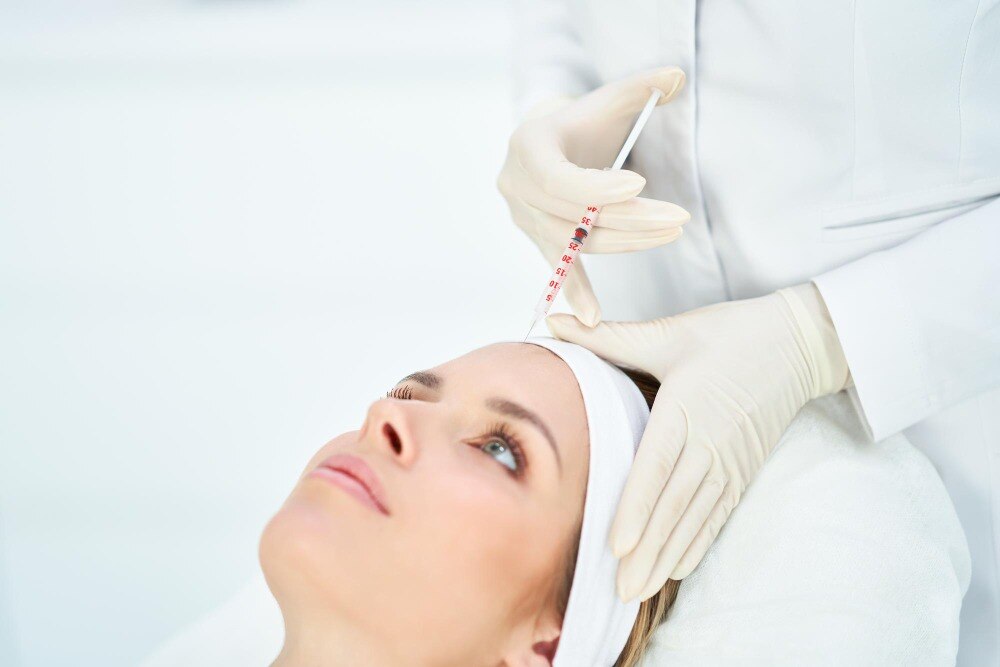
- The clinician delivers several small injections into selected muscles using a fine needle.
Brief stinging, tenderness, redness, swelling, bruising, or a headache can follow. Avoid judging the result immediately: effects may begin within 1 to 2 days, but the Botox results timeline usually becomes clearer during the first week or two. Early asymmetry can change as the muscles respond, so unnecessary top-up injections can create an overtreated appearance.
Botox units measure the amount of product used, not the quality of the result. Unit numbers are product-specific and should not be compared directly across different botulinum-toxin brands. Ask for the product name and total dose rather than choosing a clinic by a low unit count.
The effect is temporary because muscle activity returns. Facial movement and lines commonly begin returning after about three to four months, although duration varies by person, dose, muscle strength, and treatment area. Maintenance requires repeat assessment and injections, not a permanent one-time correction.
What Risks, Aftercare and Maintenance Should You Plan For?
Mild pain, redness, swelling, bruising or headache are common Botox side effects after injections. Improvement is not immediate: effects can begin within 1–2 days and become clearer during the first week or two, so do not judge the result or request more product on the same day.
Use this Botox aftercare checklist:
- Do not rub, press or massage treated areas unless your injector tells you to. Ask when you can resume strenuous exercise, facial treatments, helmets, tight headwear, or prolonged heat exposure.
- Expect small differences between sides while the muscles respond. Temporary eyelid or eyebrow drooping, facial asymmetry, or an altered brow shape can last weeks rather than hours; contact the clinic if these changes concern you.
- Seek urgent medical attention for trouble swallowing or breathing, double vision, widespread weakness, difficulty speaking, loss of bladder control, or rapidly worsening symptoms. These signs can indicate toxin effects beyond the injection site.
- Schedule a review at the time your clinician recommends instead of chasing early changes with extra injections. Ask how long Botox lasts for your treatment area; the benefit fades as muscle activity returns, often over about three to four months.
- Repeat treatment is maintenance, not a permanent cure. Continue only if the result remains natural, the risks are acceptable, and the clinician confirms that your dose, placement and treatment interval remain appropriate.
Frequently asked questions
Which facial lines respond best to Botox?
Botox responds best to dynamic wrinkles that appear or deepen during facial muscle contraction and soften when your face relaxes.
When is Botox the wrong tool for a facial concern?
Botox is not the right tool when lost volume, sagging skin, or surface texture is the main concern; filler or another treatment may fit better.
What should you discuss before Botox injections?
Discuss your goals, medical conditions, medicines and supplements, previous treatments, dosing approach, expected results, and possible risks.
What happens during Botox treatment and when will you see the result?
A clinician assesses your facial movement, marks treatment points, and gives small injections. Results develop gradually rather than appearing immediately.
What risks, aftercare, and maintenance should you plan for?
Plan for temporary injection-site reactions and other treatment risks, follow the clinician’s aftercare instructions, and expect results to require maintenance as muscle activity returns.