“Glow” can mean smoother texture, better hydration, fewer dark marks or simply less visible dullness, and each problem calls for a different assessment. By the end, you will know what a dermatologist examines, which medical details affect safety, and which questions reveal whether a recommendation is clinically grounded.
Key takeaways
- “Dullness” may mean dehydration, pigmentation, inflammation or uneven texture.
- Tell your dermatologist about medicines, recent tanning and every active skincare product.
- Skin type and pigment risk influence whether you need a peel, laser or topical routine.
- Consent should cover expected results, downtime, side effects and alternative treatments.
What Skin Problem Is Being Called “Dullness”?
“Glow” is not a diagnosis. The dermatologist asks what you mean by skin dullness, then examines colour, surface and inflammation before selecting a peel, laser, light treatment or topical routine.
| Concern | What the dermatologist looks for | Why it changes treatment |
|---|---|---|
| Dehydrated skin | Tightness, fine lines and rough surface | Restore the barrier before stronger procedures |
| Tanning | Recent sun exposure and diffuse darkening | Delay treatment and reinforce sun protection |
| Post-inflammatory hyperpigmentation | Brown marks after acne, bites or irritation | Avoid unnecessary inflammation that deepens pigment |
| Melasma | Symmetrical brown or grey facial patches | A melasma diagnosis requires pigment control and light protection |
| Active acne | New inflamed pimples, pus or nodules | Treat the acne before elective resurfacing |
| Rosacea | Persistent redness, flushing or visible vessels | Heat and irritation can worsen symptoms |
| Eczema or sensitivity | Scaling, itching, burning or easily irritated skin | Calm the barrier before cosmetic treatment |
| Uneven texture | Roughness, enlarged pores or sun damage | Match the method to the surface problem |
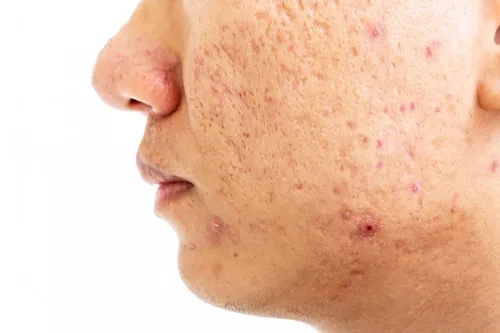
| Scarring | Depressed, raised or firm acne scars | Choose scar-specific treatment, not a generic glow facial |
The examination also checks oiliness, dryness, redness, open wounds, infection and rapidly changing pigmented lesions. A laser or light device must have a defined target; resurfacing can improve texture and scars but can also cause swelling, infection, pigment changes or scarring. If inflammation or barrier damage is active, treatment is postponed.
Your natural skin tone, tanning history and tendency toward post-inflammatory hyperpigmentation also determine how aggressive the plan can be.
What Does the Skin Examination Look For?
The skin examination looks for visible signs that make a cosmetic procedure unsuitable today. The clinician assesses oiliness, dryness, scaling, redness, pigmentation patterns, acne lesions, scars, pores, texture and irritation before choosing a peel, laser, light treatment or topical regimen.
| Finding | What the clinician is assessing | Possible decision |
|---|---|---|
| Oiliness, dryness or scaling | Excess sebum, dehydration or a weakened skin barrier | Adjust preparation or postpone treatment until the barrier improves |
| Redness or flushing | Rosacea, irritation, sun exposure or other inflammation | Treat the cause first; heat or resurfacing can intensify redness |
| Pigmentation pattern | Melasma, tanning or post-inflammatory pigmentation; rapidly changing pigmentation needs medical review | Avoid treating every dark area as “dullness” and investigate change before cosmetic treatment |
| Acne lesions, scars and pores | Active acne, blocked pores, uneven texture and established scarring | Control uncontrolled acne before procedures that increase inflammation |
| Irritation, infection or open wounds | Broken skin, bacterial or viral infection, eczema and dermatitis signs | Postpone elective treatment until the skin has healed or the condition is controlled |
Active infection, open wounds and uncontrolled inflammation raise the risk of prolonged irritation, delayed healing, pigment changes and scarring. Treating over compromised skin can turn a minor reaction into a larger problem, so postponement protects the final result as well as safety. Rapidly changing pigmentation also requires diagnosis rather than a glow procedure.
Which Medical History and Products Affect Suitability?
Pregnancy and breastfeeding, plus plans to become pregnant, change which ingredients and procedures are acceptable. Tell the dermatologist about allergies, asthma, autoimmune disease, liver or kidney disease, diabetes, bleeding disorders, cold sores, and keloids or raised scars. These details can alter treatment choice, healing expectations, infection prevention, and timing.
Bring every medicine and supplement, including isotretinoin, antibiotics, anticoagulants, steroids, photosensitising drugs, aspirin, fish oil and herbal products. Report previous reactions and any peel, laser, injection or resurfacing treatment, with its date. A cold-sore history matters because facial heat or injury can reactivate herpes simplex; the clinician may discuss preventive antiviral treatment.
Keloids or hypertrophic scars increase concern before procedures that deliberately injure skin.
The current skincare routine matters as much as the medical history:
| Product or treatment | Why it changes the plan |
|---|---|
| Retinoids, acids, benzoyl peroxide | Can increase irritation; the clinician may pause them before a procedure. |
| Hydroquinone | Requires review of strength, duration and source; unlabelled lightening products can contain steroids, mercury or undeclared ingredients. |
| Steroid creams | Can mask inflammation, thin skin or alter healing when used improperly. |
| Recent peels, lasers or isotretinoin | Can increase sensitivity or affect recovery and procedure timing. |
| Anticoagulants and photosensitising medicines | Can increase bruising or ultraviolet reactions; never stop prescribed medicine without medical advice. |
| Sunscreen | Shows your daily ultraviolet protection; inadequate use raises the risk of post-treatment pigmentation. |
How Do Skin Type, Pigment Risk and Tanning Change the Plan?
Fitzpatrick skin type I to VI helps estimate how readily skin may burn or develop pigment changes, but it does not replace an examination. Recent tanning, sunburn or poor ability to maintain sun protection can delay treatment, while a high post-inflammatory hyperpigmentation risk may favour lower energy, fewer passes or a gentler plan.
A keloid history also matters because controlled skin injury can produce an unwanted raised scar.
| Option | Adjustment | Trade-off |
|---|---|---|
| Gentler topical plan | Use pigment-control and barrier-support products | Little downtime, but slower results and daily aftercare |
| Superficial peels | Choose a lower-strength peel or repeat sessions | Less healing risk, but more visits and cumulative cost |
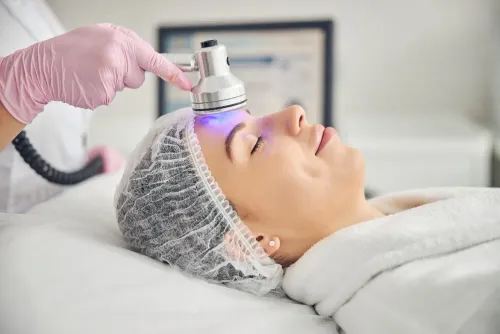
| Laser or light treatment | Select a suitable wavelength, test spot and conservative settings | Potentially faster change, but greater pigment risk, monitoring and expense |
| Microneedling-type procedure | Reduce needle depth or avoid it when scar risk is concerning | Texture may improve, but redness, repeat sessions and aftercare remain |
Before booking, agree on these points:
- Whether recent tanning or sunburn requires postponement, and the exact sunscreen, reapplication and sun-avoidance plan.
- The starting setting, test-spot result and warning signs that require review, especially darkening, blistering or a raised scar.
- Expected downtime, number of visits, monitoring appointments, total cost and products needed afterward.
What Should the Recommendation, Tests and Consent Cover?
A recommendation should state the endpoint, expected number of sessions, treatment downtime and aftercare before you pay. Ask why this option fits your diagnosis, and whether several superficial peels or a topical plan would be safer than one aggressive procedure.
Medical tests before IV therapy are not automatically required for every person, but they become important when you have kidney or liver disease, diabetes, pregnancy, medication risks, allergies or unclear medical history. Ask which test or medical record is needed, why it changes the decision, and who reviews the result.
For IV treatment safety, verify the exact ingredients, dose, route, dilution, expiry date and batch number. The clinic should explain sterile preparation, single-use equipment, allergy response, vein injury, infection risk and what happens if you feel unwell during the infusion.
| Option | Main role | Key questions before choosing |
|---|---|---|
| Topical routine | Gradual control of dryness, pigment, acne or sensitivity | Which ingredients, how often, and what irritation means stop? |
| Peel or facial | Surface exfoliation or short-term brightness | What depth, treatment downtime and aftercare apply? |
| Oral medicine | Treats a diagnosed condition from within | What interactions, pregnancy precautions and monitoring are needed? |
| IV therapy | Delivers prescribed substances through a vein | What evidence, tests, sterile safeguards and alternatives support it? |
Informed consent should cover benefits, limits, side effects, alternatives, cancellation or postponement criteria, treatment downtime and aftercare, plus the follow-up date. Ask about antiviral prevention if you have cold sores and disclose raised scars, recent tanning, pregnancy plans or breastfeeding.
At Skinzone Clinic-Skin, Hair & Aesthetic Clinic Pune, judge the consultation by whether these questions receive specific answers rather than a promise of instant glow. Get written instructions and a contact number for delayed reactions before booking.
Related services
IV Glow Drip Therapy Clinic in Pune IV Glow Drip Therapy Clinic in Bibwewadi, Kondhwa, Pune IV Glow Drip Therapy – Radiance from Within Give your skin and body the ultimate boost with our IV Glow Drip Therapy – a powerful infusion of... View service → |
IV Glutathione Drip Therapy Clinic in Pune IV Glutathione Drip Therapy Clinic in Bibwewadi, Kondhwa, Pune Revitalize your skin and body from within with our IV Glutathione Drip Therapy – a safe and effective treatment designed to boost your health,... View service → |
Frequently asked questions
What does a dermatologist check when assessing dull-looking skin?
The examination checks skin colour, pigmentation, texture, dryness, oiliness, pores, inflammation, acne, scars and signs of sun damage.
Which medical history and skincare products affect glow treatment suitability?
Tell the dermatologist about allergies, pregnancy, cold sores, keloid scars, medicines and recent procedures. Share every product containing retinoids, acids, benzoyl peroxide or bleaching agents.
How do skin type, pigment risk and tanning change the treatment plan?
Darker or recently tanned skin can have a higher risk of post-inflammatory hyperpigmentation. The dermatologist may adjust treatment strength, delay treatment or choose a topical option.
What should a skin glow treatment recommendation and consent discussion cover?
It should identify the diagnosed concern, proposed treatment, expected results, number of sessions, preparation, aftercare, downtime, side effects, alternatives and warning signs requiring review.
Related services
Medi-Facial Treatment Specialist in Pune Medi-Facial Treatment Specialist in Bibwewadi, Kondhwa, Dhankawadi, Pune Looking for advanced skin care beyond regular facials? A Medi-facial is a scientifically designed skin treatment that combines medical-grade... View service → |
Hydra Facial Treatment Specialist in Pune Hydra Facial Treatment Specialist in Bibwewadi, Kondhwa, Dhankawadi, Pune Hydra Facial Treatment in Pune – By Dr. Nirali Shah Pawar Looking for glowing, healthy, and rejuvenated skin without downtime? Dr. View service → |
Acne Scars Treatment Specialist in Pune Acne Scars Treatment Specialist in Bibwewadi, Kondhwa, Dhankawadi, Pune Acne scars can leave behind marks that affect your skin’s smoothness and your self-confidence. View service → |
Skin Specialist in Pune Best Skin Specialist ( Skin Doctor) in Bibwewadi, Kondhwa, Dhankawadi, Pune Best Skin Specialist in Pune – Dr. Nirali Shah Pawar at Skinzone Clinic located at Bibwewadi, Pune. View service → |