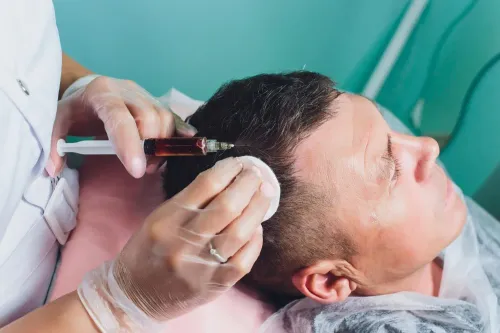
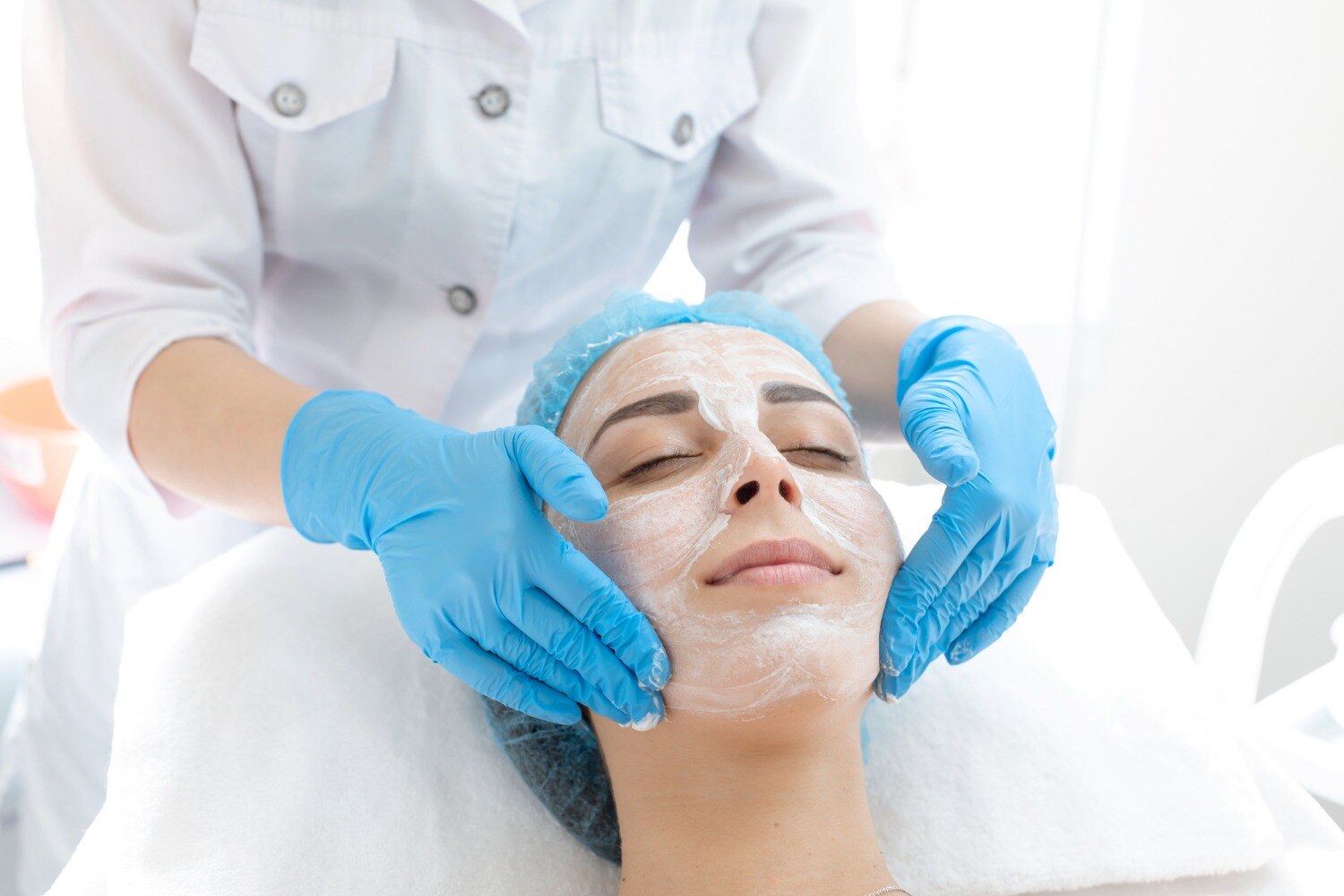
The word “medi-facial” does not identify one standard procedure, so two clinics can use it for treatments with very different products, devices, risks and results. By comparing the operator, skin assessment, treatment steps, aftercare and expected outcome, you can decide whether a salon facial, a clinician-led treatment or neither is appropriate.
Key takeaways
- Choose a medi-facial when skin concerns need clinical assessment or targeted procedures.
- Salon facials focus on cleansing, exfoliation, massage and surface-level hydration.
- Medical-grade describes products or equipment, not guaranteed results or treatment depth.
- HydraFacial is one device-based treatment, while medi-facial describes a broader category.
What separates a medi-facial from a regular salon facial?
The medi-facial versus salon facial choice depends on who assesses your skin, how deeply the treatment acts, and whether a clinician selects medical procedures rather than routine cosmetic steps.
| Feature | Regular salon facial | Medi-facial |
|---|---|---|
| Provider | Aesthetician or salon therapist | Clinician-led service selected after medical review |
| Skin assessment | Often limited to dryness, oiliness or sensitivity | Reviews acne, pigmentation, rosacea, eczema, medicines, allergies and recent procedures |
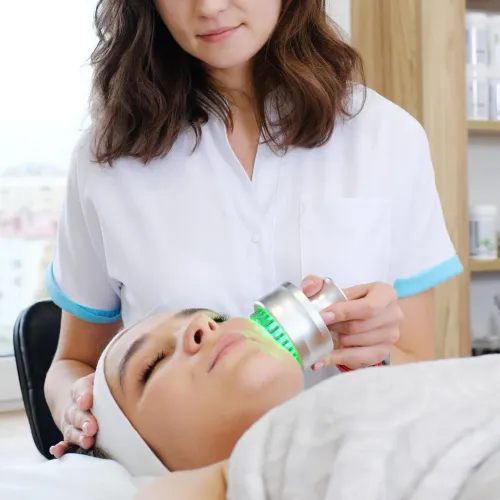
| Usual treatment | Cleansing, mild exfoliation, massage, mask, moisturiser and sunscreen | May add a measured chemical peel, microdermabrasion, LED or another energy-based device |
| Equipment | Steam, magnifying lamp or basic exfoliation device | Specified device, product, settings and aftercare should be explained |
| Facial extraction | Manual comedone extraction in some salons | Decided according to skin condition; inflamed acne or milia may need a different approach |
A regular salon facial is usually superficial and aims to cleanse, hydrate, smooth and temporarily brighten the skin. Its skin assessment does not diagnose a rash or persistent acne.
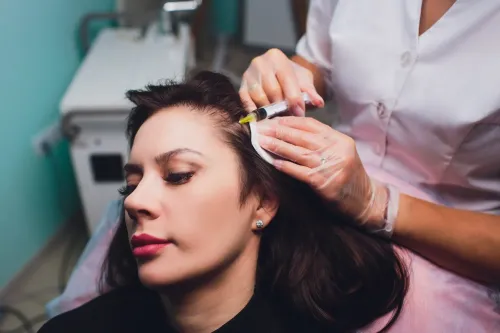
A medi-facial is not a standardised procedure. The label can describe anything from a gentle facial to microneedling, which breaches the skin barrier and carries risks such as infection, prolonged redness, pigment change and scarring.
“Medical” does not guarantee better results. Ask which products, acids, device model and settings will be used, who will perform each step, and what aftercare follows.
What happens during each appointment?
Both appointments begin with cleansing and a facial consultation about your immediate skin goals, but the assessment and treatment depth differ.
| Option | Typical appointment steps | Assessment and equipment |
|---|---|---|
| Salon facial | Cleanse, steam or soften skin, exfoliate, massage, extract accessible comedones, apply a mask, moisturise and finish with sunscreen | Therapist checks surface dryness, oiliness or sensitivity; products and equipment are usually cosmetic |
| Clinician-led medi-facial | Cleanse, select a measured chemical peel, controlled microdermabrasion, LED or another device, then apply soothing moisturiser and broad-spectrum sunscreen | Clinician reviews skin disease, medicines, allergies, cold-sore history, pigmentation, keloids and recent procedures before choosing products or settings |
Ask whether extraction will be avoided on inflamed acne or milia. Milia are keratin-filled cysts, not ordinary blackheads, and forceful removal can injure surrounding skin.
Painful acne, active infection, open sores, severe redness, eye involvement, a nonhealing sore or a changing pigmented lesion needs diagnosis instead of a facial. A history of recurrent cold sores also matters before procedures around the mouth.
After a peel or abrasive procedure, follow the microdermabrasion treatment aftercare instructions: use bland moisturiser and broad-spectrum sunscreen, avoid picking, scrubs and extra acids, and do not add exfoliating products until the skin has settled.
What does “medical-grade” actually mean?
“Medical-grade” is not a universal product category or proof that a treatment is clinically superior. It should mean that a qualified medical professional assessed your skin and selected a named product or device for a defined purpose.
A proper record identifies the active ingredient, concentration, pH where relevant, application time, device model and settings. Medical-grade facial products without those details are difficult to evaluate. A salon facial may use cosmetic cleansers, scrubs, masks and moisturisers without a medical diagnosis or penetration beyond the skin’s surface.
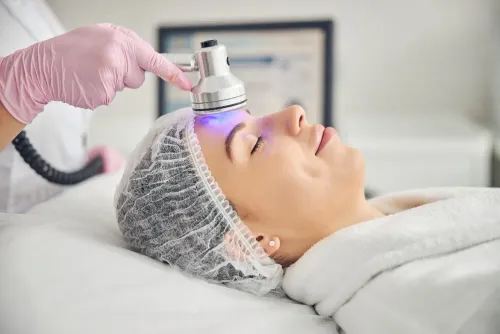
A medi-facial can add a superficial chemical peel, microdermabrasion, LED or radiofrequency. The label alone does not establish depth, evidence or safety. A microneedling facial is different: needles breach the skin barrier, so infection control, device choice, operator training and herpes reactivation risk require discussion.
Before booking, ask for:
- The exact active ingredients, concentrations and peel pH
- The medical professional’s qualification and the operator’s training
- The medical facial devices used, including model and settings
- Contraindications, including medicines that increase photosensitivity
- The risk of pigment changes for your skin tone
- The expected number of sessions and downtime
- The plan for burns, infection, prolonged redness or herpes reactivation
An FDA-cleared facial device or CE-marked device has a regulatory status; neither designation proves every advertised outcome or suitability for your skin. Compare the documented treatment, not the word “medical.”
Which skin concerns justify a medi-facial, and what results should you expect?
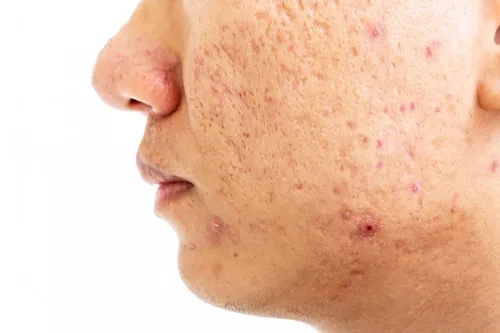
Choose a clinician-led assessment for persistent acne, post-acne marks, melasma or recurrent pigmentation, rosacea, eczema, sensitivity, dehydration, uneven texture, suspected scarring or a damaged skin barrier. A medi-facial for acne or post-acne marks treatment should begin with diagnosis, not extraction alone.
| Option | Best fit | What to expect |
|---|---|---|
| Clinician-led medi-facial | Acne, pigmentation, rosacea, sensitivity or scarring concerns | A measured procedure selected after assessing your skin, medicines, pigment history and barrier |
| Salon facial | No active skin disease; cleansing, hydration, massage or relaxation | Temporary softness and comfort at a lower cosmetic-service cost |
Strong scrubs, steam, fragrance and acids can worsen rosacea or dermatitis. Medium and deep peels create more inflammation and carry greater risks of burns, infection, scarring and post-inflammatory hyperpigmentation, especially when pigment changes are a concern.
A sensitive skin facial should favour gentle cleansing and moisturising over abrasive exfoliation. Ask for the exact peel ingredient and concentration, device settings, expected sessions, downtime and complication plan; LED is an add-on, not treatment for acne, melasma, infection or a suspicious lesion.
Hydration and superficial exfoliation can make skin look brighter within days, but that glow does not prove that acne, pigmentation, scars or deep texture improved. Your first treatment may leave skin smoother and more comfortable for days to a few weeks, depending on the procedure and home routine.
Persistent acne or pigmentation usually needs diagnosis, home treatment and a planned series, not repeated facials. Follow the provider’s timeline.
Is a HydraFacial the same as a medi-facial?
No. “Medi-facial” is a broad marketing label, while HydraFacial generally means a named, device-based protocol combining cleansing, exfoliation, suction and solution infusion. Do not infer equivalence from the service names.
| Feature | Medi-facial | HydraFacial |
|---|---|---|
| Definition | A clinic-defined treatment that can include peels, microdermabrasion, LED, radiofrequency or other steps | A branded device-based protocol, with exact steps and add-ons set by the provider |
| HydraFacial treatment steps | Vary by clinic and skin concern | Usually involve cleansing, exfoliation, suction-based extraction and solution infusion |
| What changes the treatment | Active ingredients, concentrations, device settings and operator | Device model, tips, solutions, suction settings and optional boosters |
| Aftercare | Depends on the procedures used | Depends on the solutions, acids, extraction and add-ons used |
A clinic may offer HydraFacial as one clinician-supervised medi-facial, or list it separately with different indications and aftercare. Skinzone Clinic-Skin, Hair & Aesthetic Clinic Pune lists medi-facial and HydraFacial services separately, so confirm how each is defined before booking a HydraFacial Pune appointment.
During your facial treatment consultation, ask for:
- The exact protocol, device model, solutions or acids and concentrations
- Suction settings, contraindications, expected downtime and session plan
- Whether LED, extraction or another add-on is included
- The operator’s qualification and the plan for burns, irritation, infection or pigment change
Compare providers using these details, not the word “medical,” and request a plan for acne, pigmentation, sensitivity or texture.
Related services
Medi-Facial Treatment Specialist in Pune Medi-Facial Treatment Specialist in Bibwewadi, Kondhwa, Dhankawadi, Pune Looking for advanced skin care beyond regular facials? A Medi-facial is a scientifically designed skin treatment that combines medical-grade... View service → |
Hydra Facial Treatment Specialist in Pune Hydra Facial Treatment Specialist in Bibwewadi, Kondhwa, Dhankawadi, Pune Hydra Facial Treatment in Pune – By Dr. Nirali Shah Pawar Looking for glowing, healthy, and rejuvenated skin without downtime? Dr. View service → |
Frequently asked questions
What separates a medi-facial from a regular salon facial?
A clinician assesses your skin before a medi-facial and may select targeted medical procedures. A salon facial usually provides cosmetic cleansing, exfoliation, massage and hydration.
What happens during a medi-facial appointment?
The appointment typically includes a skin assessment, cleansing, a selected procedure, soothing care and aftercare instructions. The exact steps depend on your skin concern.
What does “medical-grade” mean in skincare?
Medical-grade can refer to products, formulations or equipment used in a clinical setting. It does not automatically guarantee deeper action, better results or suitability for every skin type.
Which skin concerns justify a medi-facial?
A medi-facial may suit concerns such as acne, uneven pigmentation, dullness, dehydration or rough texture when assessment and targeted treatment are needed. Results depend on the concern and treatment plan.
Is a HydraFacial the same as a medi-facial?
No. HydraFacial is a named device-based treatment, while medi-facial is a broader term for clinician-led facial procedures. A HydraFacial may be included in a medi-facial plan.