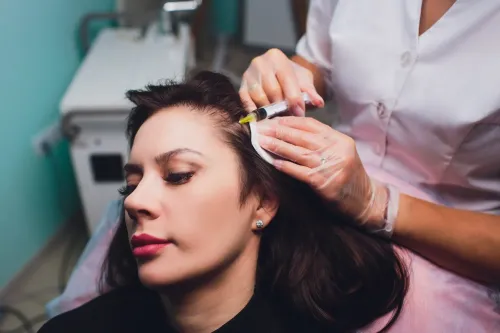
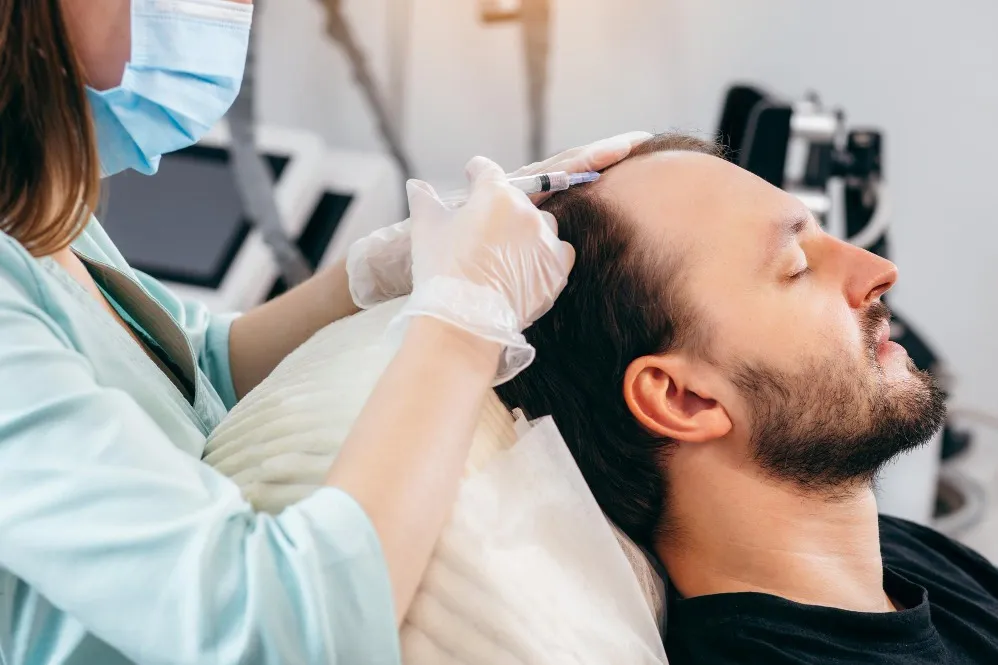
Hair loss treatments have expanded beyond conventional topical products and medicines. Regenerative approaches are increasingly discussed by people experiencing thinning hair, particularly those interested in treatments designed to support the scalp and existing follicles.
One emerging option is Exosome therapy for hair loss.
Because exosome-based treatments are still an evolving area of regenerative medicine, understanding what they are, what the current evidence can and cannot establish, and where they may fit into a broader hair-loss plan is important before deciding on treatment.
What Are Exosomes
Exosomes are tiny extracellular vesicles involved in cell-to-cell communication. They can carry biological signalling molecules, including proteins and other cellular components.
Their potential role in regenerative applications has attracted research interest across several areas of medicine, including hair restoration.
In aesthetic and hair practice, exosome-based products may be discussed for their potential role in supporting the environment around existing hair follicles. However, protocols, product composition, regulatory status, and clinical evidence can vary.
They should therefore not be viewed as a guaranteed solution for every form of hair loss.
Hair Loss Diagnosis Still Comes First
The phrase 'hair loss' describes a symptom rather than one diagnosis.
Hair shedding or thinning can be associated with:
- Pattern hair loss
- Temporary shedding
- Nutritional factors
- Scalp inflammation
- Hormonal influences
- Certain illnesses
- Medication-related changes
- Other forms of alopecia
A regenerative treatment cannot replace identifying the underlying condition.
For example, someone experiencing temporary shedding may require a very different plan from someone with progressive androgenetic hair loss.
Where Regenerative Treatment May Be Discussed
Exosome-based treatment may be considered within a broader hair-restoration discussion when follicles are still present and the clinical situation is considered appropriate.
The purpose, treatment schedule, expected response, available evidence, and alternative options should be explained beforehand.
People should also understand that restoring a completely bald area is different from supporting thinning areas where viable follicles remain.
If substantial permanent hair loss has already occurred, other approaches such as hair transplantation may be evaluated separately.
Questions Worth Asking Before Treatment
Before proceeding, useful questions include:
- What type of hair loss do I have?
- Is this treatment appropriate for that diagnosis?
- What evidence supports the recommended product and protocol?
- Are established medical treatments also available?
- How many sessions are being proposed?
- What side effects or aftercare should I know about?
- How will progress be documented?
- When should the treatment be reassessed?
Baseline photographs can be particularly useful because day-to-day impressions of hair density are unreliable.
Expectations Need to Remain Realistic
Hair growth follows a biological cycle, so meaningful changes cannot usually be judged within a few days.
Any treatment intended to influence hair growth should be assessed over an appropriate period using consistent photographs, clinical examination, and other relevant measures.
For patients exploring regenerative hair treatments in Pune, Maharashtra, the quality of the evaluation is more important than choosing a treatment simply because it is new.
At Skinzone Clinic, hair-loss assessment can be used to determine the pattern and stage of thinning before options such as Exosome therapy for hair loss are discussed.
Emerging therapies can be interesting additions to hair restoration, but they are most useful when considered within diagnosis-led care and with a clear understanding of the current evidence.
Keywords