Facial fillers can add projection, soften selected depressions and improve proportions, but the result depends on the treatment area, product and cause of the concern. By the end, you will know what fillers can realistically change, how they compare with other procedures, what an appointment involves and which safety questions to ask before treatment.
Key takeaways
- Expect measured contour changes, not a surgical lift or bone reshaping.
- A consultation matches your goal, anatomy, medical history and treatment alternatives.
- Ask which filler material, amount, batch number and emergency plan will be used.
- Seek urgent medical help for severe pain, skin discoloration or vision changes.
Which facial areas can fillers change, and what result is realistic?
Fillers add or redistribute soft-tissue volume; they do not remove excess skin, alter bone, or lift sagging tissue like surgery. The realistic aim is a measured change in contour, projection or shadowing, not a completely different face.
| Area | Realistic change | Important limit |
|---|---|---|
| Cheeks | Cheek filler can restore hollowing and improve cheek projection or contour. | It cannot remove loose skin or replace a facelift. |
| Lips | Lip filler can add volume, definition and modest correction of asymmetry. | It cannot reliably create a specific shape without risking heaviness or migration. |
| Temples | Temple filler can soften age-related hollowing. | Thin skin and nearby vessels require careful assessment. |
| Chin | Chin filler injections in Pune, or elsewhere, can improve projection and facial balance. | It cannot change the underlying chin bone. |
| Jawline | Filler can sharpen selected contours or camouflage mild asymmetry. | It cannot remove jowls or excess skin. |
| Nasolabial folds | Filler can soften the shadow beside the nose and mouth. | It may not correct the muscle movement or skin laxity causing it. |
| Marionette lines | Filler can reduce grooves running down from the mouth corners. | It cannot stop downward muscle pull. |
| Tear troughs | Carefully selected filler can reduce hollowing beneath the eyes. | It will not treat pigment, visible vessels, puffiness or lax skin. |
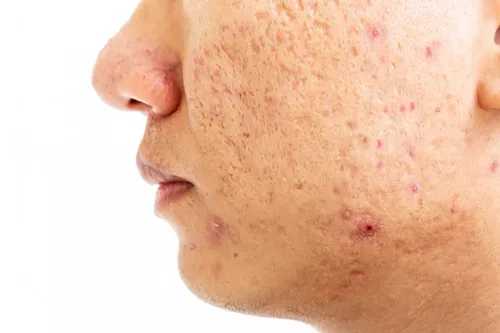
| Acne-scar depressions | Targeted filler can raise certain indented scars. | It does not treat active acne or every scar type. |
A conservative, staged result is safer to judge because swelling can disguise balance. Overfilling may create heaviness, ridges or unnatural projection, especially under thin skin. A consultation must match the area, product and cause of the concern.
How does a consultation determine whether filler is appropriate?
A filler consultation determines suitability by matching your desired change with your anatomy, health and risk factors—not by choosing a product first.
1. The clinician examines facial proportions, existing volume and movement at rest and while smiling. A facial asymmetry assessment compares both sides, while skin quality, laxity, scars and muscle activity help show whether filler can improve balance or whether another treatment fits better.
2. Your medical history for dermal fillers includes allergies, bleeding problems, medicines or supplements that increase bruising, pregnancy and breastfeeding. Elective treatment is generally deferred during pregnancy or breastfeeding because safety data are insufficient.
3. Disclose every previous filler injection, including the product and date, plus permanent implants or other facial procedures. Active inflammation, rash or infection near the proposed site requires treatment before injection.
4. The clinician evaluates high-consequence areas such as the nose and tear trough. Thin skin, visible vessels, edema, pigment, laxity and the orbit’s position can make filler unsuitable or limit the result.
The recommendation should state the product, injection site, amount and treatment goal. A conservative plan may address one area first, because swelling can hide balance and excessive filler can create heaviness, ridges or greater asymmetry.
Which filler material and alternative procedure fit the goal?
Choose the product according to the result you want, not simply its duration. A hyaluronic acid filler is a hydrated gel and is usually the easiest to adjust or reverse with hyaluronidase. That enzyme does not dissolve calcium hydroxylapatite, poly-L-lactic acid or polymethylmethacrylate, and correcting HA can require repeated treatment.
| Option | Firmness and action | Longevity and reversibility |
|---|---|---|
| Hyaluronic acid filler | Soft to firm gel; adds immediate volume | Commonly 6–18 months; usually reversible with hyaluronidase |
| Calcium hydroxylapatite | Firmer support; also stimulates collagen | Often longer-lasting than HA; no dissolving enzyme |
| Poly-L-lactic acid | Gradual collagen stimulation rather than immediate full volume | Develops over several sessions; not readily reversible |
| Polymethylmethacrylate | Permanent microspheres with collagen formation around them | Permanent; removal is difficult, making it a high-commitment choice |
Permanent filler alternatives require particularly careful consent because a later change in preference, asymmetry or complication cannot be managed like dissolving HA.
- Botulinum toxin relaxes targeted muscles; it does not replace lost volume.
- Fat grafting transfers your own tissue and can create longer-term volume, but retention is less predictable and reversal is harder.
- Energy procedures tighten or improve skin quality; they do not reproduce focused filler volume.
- Thread lifts create temporary lifting or repositioning, not the same contour change as filler.
- Implants and surgery alter structure or remove excess tissue, making them options for changes filler cannot achieve.
What happens during filler injections, and how is the amount planned?
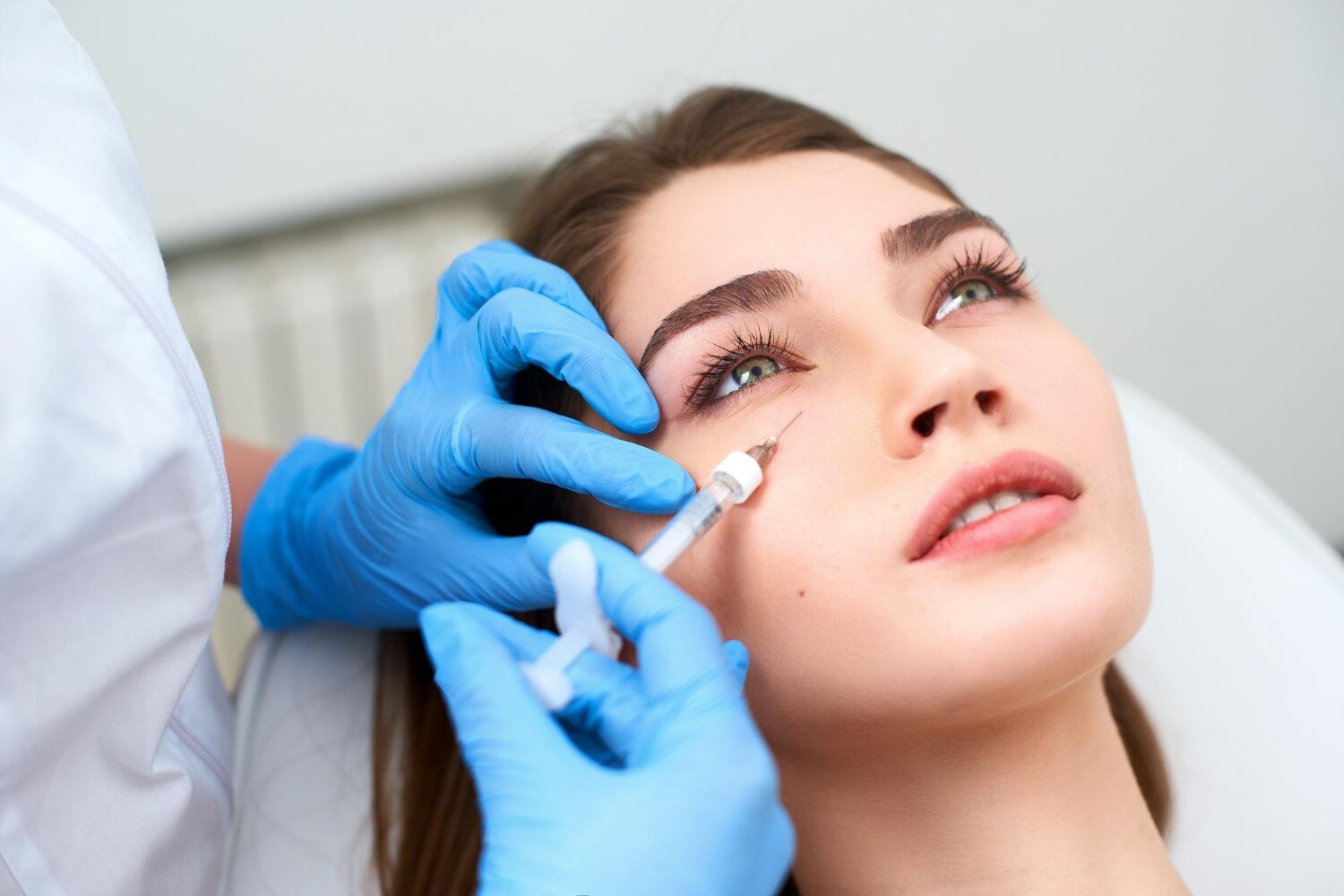
At a filler injection appointment, the clinician confirms your treatment goal, medical history, previous fillers, proposed product and consent. They assess facial proportions and mark the planned entry points and treatment boundaries before cleansing the skin.
- Apply topical anaesthetic or inject local anaesthetic when appropriate.
- Place a fine needle or blunt cannula at the selected depth; the choice of cannula versus needle depends on the area, anatomy and technique.
- Inject small amounts gradually, checking shape and symmetry throughout.
- Pause for an immediate assessment, then decide whether further product is needed.
The clinician determines the number of filler syringes and sessions after examining your tissue, facial movement, existing volume and desired change. A fixed amount advertised online cannot account for these differences. Product and site also affect duration: HA filler commonly lasts about 6–18 months, but movement, depth and individual metabolism change the result.
A staged filler treatment can address one area at a time, allowing balance to be reassessed before adding volume elsewhere. This approach helps prevent an overfilled appearance in one visit and leaves room for swelling to settle before refinement.
What side effects and warning signs should you recognise after treatment?
Tenderness, redness, filler swelling and bruising, itching, and temporary firmness are common early reactions. Lip and under-eye swelling can look dramatic, so do not judge the final result immediately after injection.
Seek urgent medical assessment rather than waiting for a routine follow-up if you notice:
- Increasing or severe pain after the injection
- Blanching, dusky or mottled skin, or skin that feels unusually cold
- New visual symptoms, including blurred or reduced vision
- Facial weakness, numbness, confusion, trouble speaking or another neurological symptom
These signs can indicate vascular occlusion after filler, where a vessel is blocked or compressed. Untreated blockage can damage skin and, rarely, affect the eye or brain.
A lump that persists or appears weeks, months or years later needs review. Delayed nodules, infection, biofilm-related problems and inflammatory reactions are not automatically ordinary swelling or a reason to add more filler; redness, warmth, drainage, fever or worsening tenderness increase concern for infection.
Tear trough filler risks and nose-injection risks deserve particular attention because thin skin, visible vessels and nearby eye or central facial circulation leave little room for error. Filler is not automatically suitable for dark circles caused by pigment, edema, visible vessels or lax skin.
Hyaluronidase dissolves hyaluronic-acid filler, not calcium hydroxylapatite, poly-L-lactic acid or polymethylmethacrylate. Correcting HA filler may require repeated treatment and can temporarily reduce natural tissue hyaluronic acid.
What should you verify before choosing a filler provider in Pune?
Before booking a dermal filler clinic Pune appointment, use these filler provider questions:
- Who will inject, and what training and experience do they have with this facial area?
- Which exact product, formulation and amount are proposed? Ask to see the sealed packaging and product information.
- Does product approval for facial fillers cover this specific facial site and intended use?
- What is the emergency protocol for vascular occlusion, severe pain, skin blanching or vision changes?
- Who will assess you after treatment, and whom do you contact outside clinic hours?
- Is a conservative, staged plan safer than treating several areas in one visit?
| Provider check | What to verify | Why it matters |
|---|---|---|
| Injector | Name, qualifications and hands-on experience | Technique and anatomical knowledge affect risk |
| Product | Brand, material and batch details | HA, calcium hydroxylapatite and permanent fillers are not interchangeable |
| Safety process | Emergency medicines, referral pathway and response time | Delay can worsen a vascular complication |
| Follow-up | Scheduled review and direct contact | Problems need prompt assessment |
| Plan | Small initial amount with reassessment | Swelling can hide overcorrection |
Skinzone Clinic-Skin, Hair & Aesthetic Clinic Pune is one local option for a filler safety consultation; judge it by the clinician’s assessment, product information and safety process, not a promised result.
Frequently asked questions
Which facial areas can fillers change, and what result is realistic?
Fillers can add or redistribute soft-tissue volume in selected areas such as the cheeks, lips, chin, jawline and facial depressions. They create measured changes in contour, projection or shadowing; they do not remove excess skin, alter bone or lift sagging tissue like surgery.
How does a consultation determine whether filler is appropriate?
The provider should assess your facial anatomy, treatment goal, skin and soft-tissue laxity, medical history, medicines, allergies and previous procedures. This assessment helps determine whether filler is suitable or whether another treatment would better address the concern.
Which filler material and alternative procedure fit the goal?
The choice depends on the area, desired correction, tissue characteristics, duration and reversibility. Ask the provider to name the material, explain its benefits and limitations, and compare it with options such as surgery or non-filler treatments when appropriate.
What side effects and warning signs should you recognise after treatment?
Swelling, bruising, tenderness and temporary asymmetry can occur after injections. Contact the provider promptly for worsening pain, unusual skin pallor or discoloration, spreading redness, fever, or concerning lumps. Seek urgent medical care for vision changes or severe symptoms.