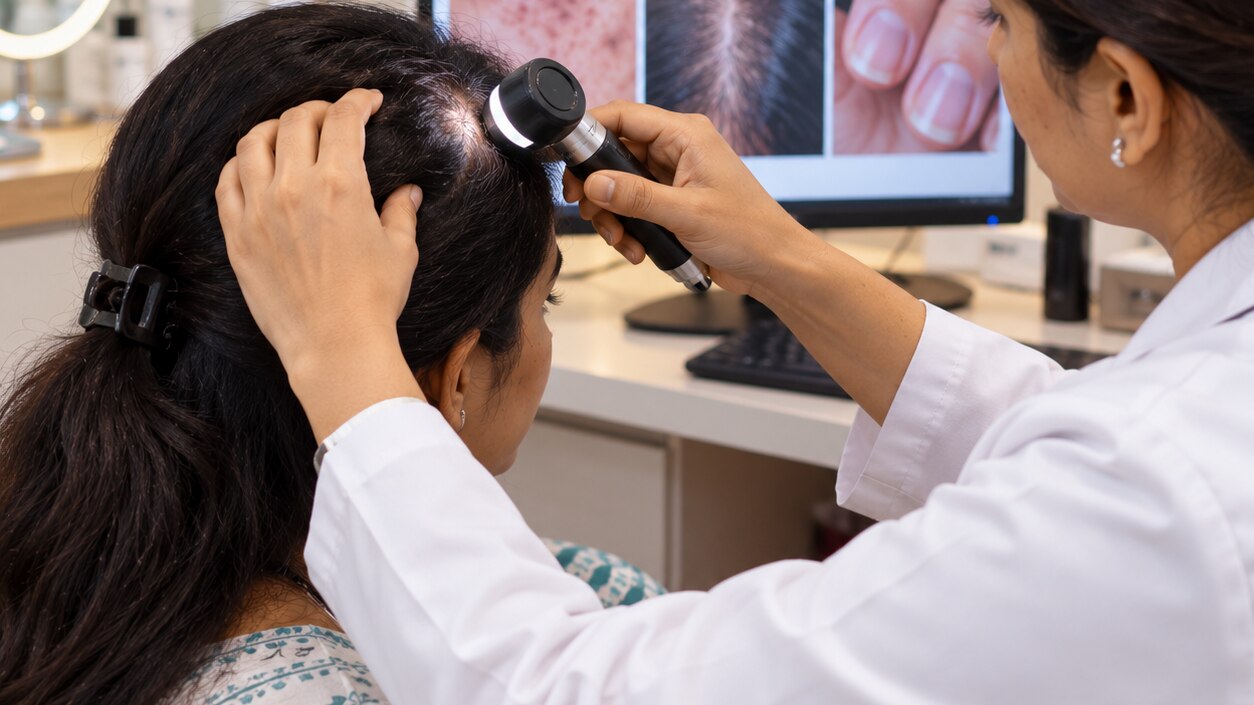
A rash, changing spot, unexplained hair loss or damaged nail deserves more than repeated trial-and-error treatment when it persists, returns or changes. Use the time thresholds and warning signs below to decide between monitoring, a routine dermatology appointment, same-day medical care and emergency help.
Key takeaways
- Book a routine appointment when symptoms persist beyond two weeks.
- Seek same-day care for rapidly spreading redness, severe pain, swelling or fever.
- Do not self-treat changing moles, unexplained sores or bleeding lesions.
- Normal shedding and minor nail damage improve; persistent changes need assessment.
Use the symptom and time threshold to decide when to book
Book a routine dermatology appointment if a skin, hair or nail problem has not clearly improved within two weeks, despite stopping a new product or avoiding a known irritant. Do not keep changing creams for months; persistent skin problems become harder to diagnose after repeated self-treatment.
1. Arrange a review after several days if itching, skin pain, swelling, discharge or cracking is worsening rather than settling. Persistent itching without a visible rash deserves assessment, especially when it continues beyond two weeks because medicines, iron deficiency, thyroid disease, kidney disease, liver disease and blood disorders can contribute.
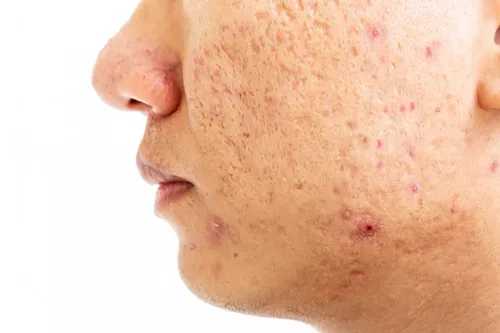
2. Book within a few weeks for a rash, sore, growth or scaly patch that lasts several weeks, repeatedly returns, or fails to respond to an appropriate treatment.
A scaling and cracking skin guide can help you record triggers and products, but a scaly itchy rash is not automatically eczema; fungal infection can look similar and steroid cream can disguise it.
3. Arrange an earlier appointment for sudden hair shedding, distinct bald patches, scalp inflammation, scarring, or loss of eyebrows or eyelashes. Waiting can allow scarring alopecia to permanently destroy follicles.
4. Have a new dark nail band, widening or irregular pigment, pigment extending onto surrounding skin, bleeding, nail-plate destruction, or a mark that does not grow out examined promptly. It may resemble bruising or fungus, but appearance alone cannot establish the cause.
Seek same-day or emergency care instead of waiting for a routine slot if symptoms include breathing difficulty, facial or eye swelling, fever with a rash, widespread blistering or skin peeling.
Know which warning signs need same-day or emergency care
Do not wait for a routine dermatology appointment if symptoms are worsening over hours, causing severe pain, or affecting breathing, vision, or consciousness.
| Care level | Warning signs | What to do |
|---|---|---|
| Emergency care now | Breathing difficulty, faintness, confusion, facial or eye swelling with throat or tongue swelling, or a rapidly spreading rash with severe illness | Call emergency services or go to the nearest emergency department |
| Same-day medical assessment | Rapidly spreading redness, fever with a rash, a painful blistering rash, widespread blistering and skin peeling, or rash involving the eyes, mouth, or genitals | Seek urgent medical care today; do not apply steroid creams or undergo a cosmetic procedure first |
| Prompt same-day review | A painful nail infection with pus, increasing swelling, red streaks, or fever; sudden extensive hair loss; or a skin infection that is enlarging despite treatment | Contact a doctor or urgent-care service today |
A severe drug reaction can begin after a new medicine, even if the rash initially looks mild. Take the medicine list and packaging with you, but do not stop a prescribed medicine unless an emergency clinician tells you to.
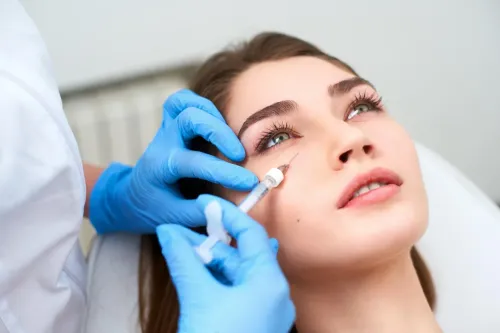
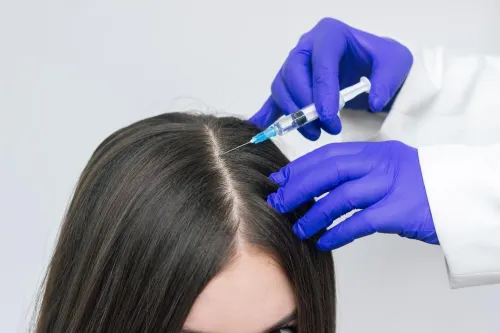
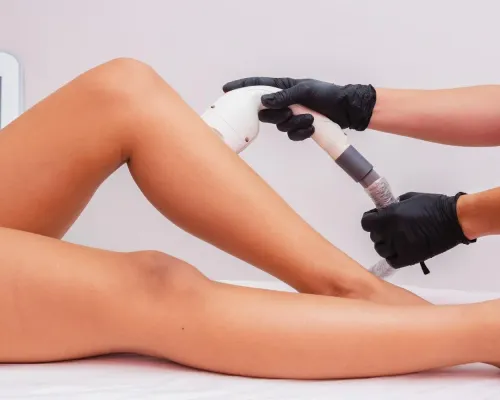
Postpone lasers, peels, injections, and elective surgery until an unexplained rash, infection, or changing lesion has been diagnosed. These treatments can spread inflammation, worsen infection, or obscure a suspicious skin change.
Recognise skin changes that should not be self-treated
Book a dermatology examination instead of trying another cream when a lesion is new, changing, persistent, or repeatedly returns. Appearance alone cannot rule out skin cancer, infection, or an inflammatory condition.
| Finding | Why it needs examination | Action |
|---|---|---|
| Changing mole with ABCDE signs | Asymmetry, an irregular border, uneven colour, diameter over about 6 mm, or evolution can signal melanoma | Arrange a prompt appointment |
| Sore that does not heal | Repeated bleeding, crusting, or a sore lasting several weeks can resemble eczema or an infected spot but also occur with skin cancer | Do not keep treating it at home |
| Growing lump or scaly patch | Basal-cell and squamous-cell cancers can look like a wart, rash, or harmless bump | Arrange examination; a biopsy may be needed |
| Recurring rash in the same location | Repeated inflammation can indicate contact allergy, infection, medication reaction, or another disease | Bring product and medicine details to the visit |
Persistent itching without an obvious rash also deserves assessment, particularly when it continues or affects sleep. A clinician may check for skin disease and consider iron deficiency, thyroid, kidney, liver, or blood disorders.
Postpone lasers, peels, injections, or surgery until an unexplained rash, infection, or changing lesion has a diagnosis. These treatments can worsen active disease or make a suspicious area harder to assess.
Separate ordinary shedding and minor nail damage from conditions needing assessment
Normal hair shedding is usually gradual and diffuse. Arrange a dermatology assessment sooner when you notice:
- Sudden extensive hair loss
- Patchy hair loss or clearly defined bald areas
- Scalp inflammation, including redness, tenderness, scaling, crusting or scarring
- Hair loss accompanied by eyebrow and eyelash loss
Scarring alopecia can permanently destroy hair follicles, so waiting for cosmetic treatment can reduce the chance of preserving hair.
Diffuse shedding that begins two to three months after childbirth, major illness, surgery, severe stress or marked weight loss may be telogen effluvium, but continued shedding needs evaluation for iron deficiency, thyroid disease, nutritional problems, medication effects or another form of alopecia.
Minor nail damage usually follows a manicure, biting or a single injury and grows out with the nail. Book an appointment if a change persists, spreads or affects several nails, especially thickening, crumbling, separation, persistent discoloration or repeated splitting.
A dark streak that does not move toward the nail tip as the nail grows also needs examination.
Seek same-day care for a painful nail with rapidly increasing redness, swelling, pus or fever. Bring photographs or ingredient lists for hair products, supplements and medicines; excessive vitamin A or selenium and certain medicines can trigger shedding or nail changes.
Do not assume hair transplantation is suitable until the cause is diagnosed and any active scalp inflammation is controlled.
Why diagnosis matters before treatment
A wrong diagnosis can make a treatable problem harder to control: steroids can worsen a fungal infection, antibiotics cannot clear psoriasis, and antifungal medicine will not treat eczema, contact dermatitis, folliculitis, autoimmune disease or a medication reaction.
1. Describe the pattern, timing and triggers. A dermatologist compares eczema, psoriasis, contact dermatitis, bacterial infection and folliculitis by examining scale, borders, drainage, hair follicles and affected sites. Tell them about new medicines, supplements, cosmetics, hair products and workplace exposures because a medication reaction or contact dermatitis needs a different response.
2. Test when appearance is misleading. Thickened yellow nails, nail lifting and crumbly nail plates can result from trauma, psoriasis or fungal disease. A nail clipping with potassium-hydroxide microscopy, culture or PCR can prevent months of unnecessary oral antifungal treatment. A painful nail infection with pus or spreading redness may need prompt medical care.
3. Treat a dark nail streak as a diagnostic problem, not a bruise. Widening or irregular pigment, bleeding, nail destruction, or colour extending onto surrounding skin requires assessment for nail-unit melanoma, especially when the mark does not grow out with the nail.
4. Delay lasers, peels, injections, surgery and hair-transplant planning until the diagnosis is clear. Active infection, inflammatory disease or scarring alopecia can worsen after a procedure. At Skinzone Clinic-Skin, Hair & Aesthetic Clinic Pune, bring your medication list and previous treatment history so the clinician can separate treatment failure from the wrong diagnosis.
Frequently asked questions
When should you book a routine dermatology appointment?
Book an appointment when a skin, hair or nail problem has not clearly improved within two weeks after stopping a new product or avoiding a known irritant.
Which skin symptoms need same-day or emergency care?
Seek same-day care for rapidly spreading redness, severe pain, significant swelling, fever, blistering or signs of infection. Get emergency help for breathing difficulty, facial or tongue swelling, or a severe allergic reaction.
Which skin changes should not be self-treated?
Do not self-treat a changing mole, unexplained bleeding or crusting lesion, non-healing sore, rapidly growing lump or widespread rash without an assessment.
When does hair shedding need a dermatologist’s assessment?
Arrange an assessment when shedding persists, becomes visibly thinner, forms bald patches, causes scalp inflammation or follows a sudden unexplained change.
When does nail damage need medical assessment?
Seek assessment for persistent discoloration, thickening, separation from the nail bed, pain, swelling, repeated splitting or a dark streak that changes.