A flat or tired-looking complexion can come from dehydration, surface buildup, sun exposure, pigmentation, inflammation, acne scars or fine lines, and each cause responds to a different plan. By the end, you will know what a clinician assesses, how treatments are matched to tone versus texture, and which safety, preparation and maintenance factors can change the recommendation.
Key takeaways
- Identify dehydration, pigment, inflammation and texture before choosing treatment.
- Treat uneven tone differently from rough texture; one procedure may not address both.
- Postpone procedures during active infection, uncontrolled acne or irritated skin.
- Use daily sunscreen and follow aftercare to protect your results.
What is causing the dullness: dehydration, pigment, inflammation or texture?
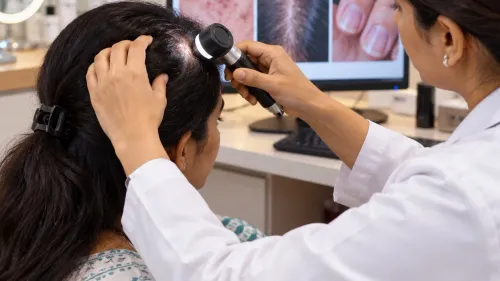
A clinician distinguishes dull skin causes before choosing a peel, laser or injectable. A skin glow assessment checks hydration, scaling, oiliness, redness, active acne, enlarged pores, fine lines, depressed scars and the pattern of brown or grey discoloration.
- Dehydrated skin and dead-cell buildup cause temporary flatness, tightness and roughness; over-cleansing or stacked acids can worsen the barrier.
- Tanning and photodamage create more widespread uneven tone.
- Post-inflammatory hyperpigmentation follows acne, burns, eczema or irritation and appears where inflammation occurred.
- Melasma forms symmetrical patches on the cheeks, forehead, nose or upper lip and needs medical diagnosis before cosmetic treatment.
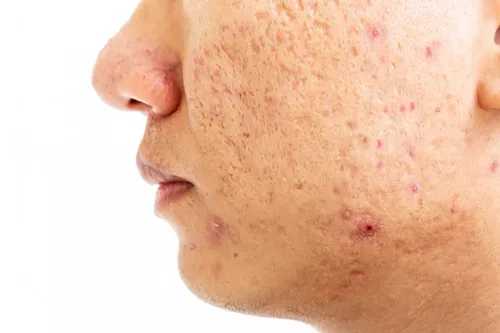
- An acne mark may be flat pigment or a true indented scar; pigment treatment will not rebuild depressed texture.
| Cause | Typical clues | Assessment focus |
|---|---|---|
| Dehydration or scale | Tight, dull, rough surface | Moisture and barrier condition |
| Tanning or photodamage | Broad, uneven brown tone | Sun exposure and distribution |
| Post-inflammatory hyperpigmentation | Marks after acne, eczema, burns or irritation | Previous inflammation |
| Melasma | Symmetrical facial patches | Medical diagnosis and recurrence risk |
| Texture change | Enlarged pores, fine lines or depressed scars | Collagen loss versus pigment |
A Wood’s lamp can show some superficial pigment differences, while a dermatoscope can clarify pigment patterns and suspicious lesions. Neither replaces examination. New, rapidly changing, irregular, bleeding or unexplained pigmentation needs medical assessment before brightening treatment. Record Fitzpatrick skin type, recent sun exposure, sensitivity, products, medicines, procedures, breakouts and available recovery time.
How should treatment change for uneven tone versus rough texture?
Uneven tone needs pigment control and photoprotection; rough texture needs exfoliation or collagen remodeling. A treatment that smooths an acne scar will not reliably control melasma, while a pigment regimen will not rebuild a depressed scar.
| Option | Best suited to | Important limitation |
|---|---|---|
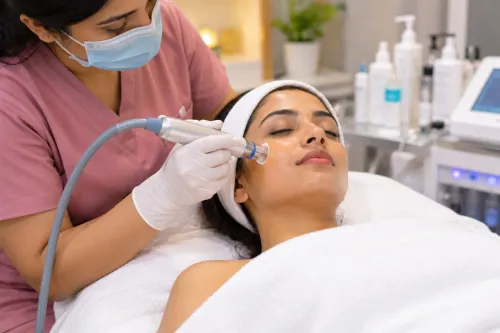
| Gentle facial or HydraFacial-style treatment | Temporary hydration, cleansing and mild exfoliation | Does not rebuild scars or reliably treat melasma |
| Superficial glycolic, lactic or salicylic peel | Epidermal scale, mild roughness and selected pigmentation | Depth, concentration and skin type determine irritation and pigment risk |
| Prescription pigmentation treatment | Discoloration, including selected melasma plans | Does not restore lost volume or depressed texture |
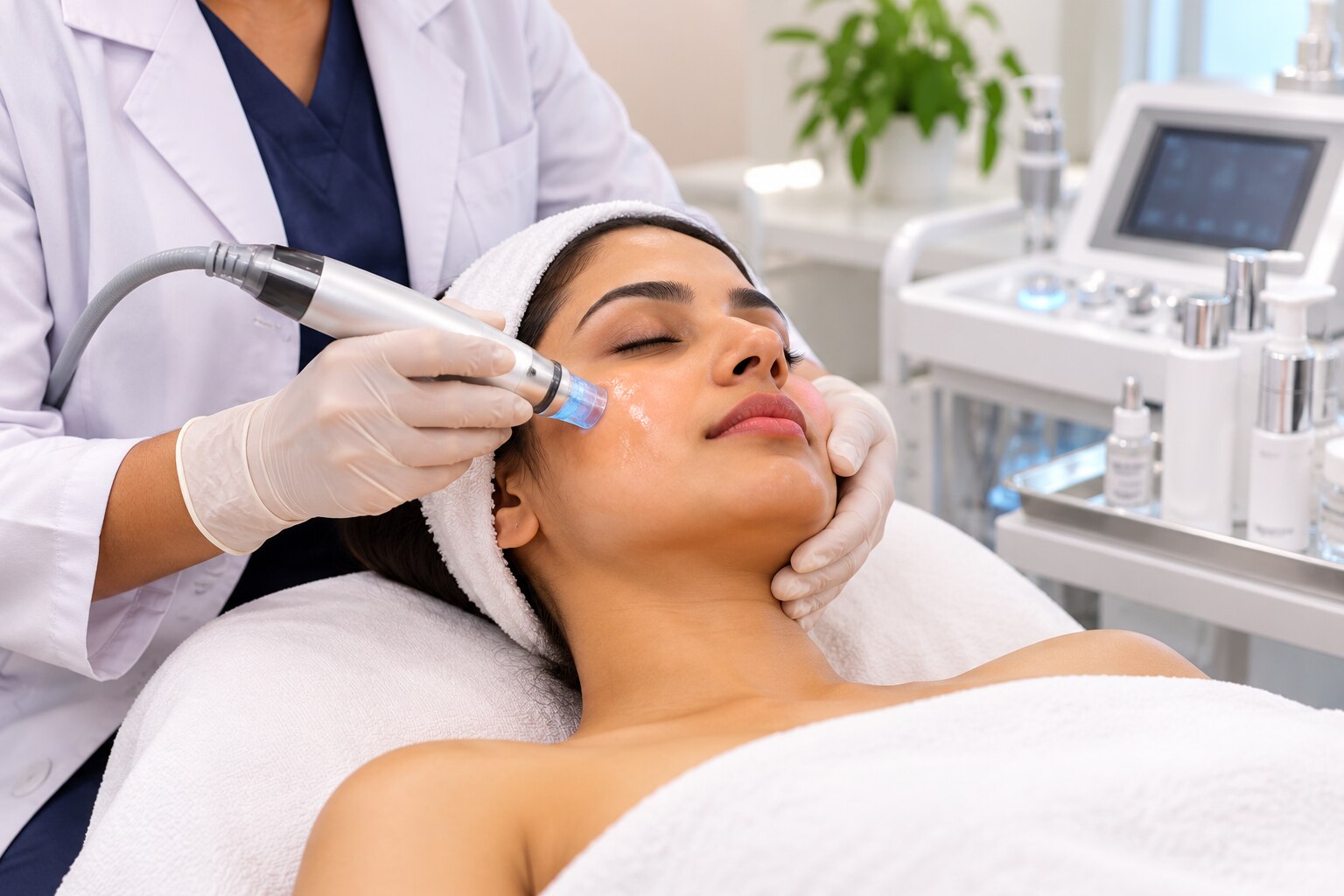
| Microneedling for acne scars | Collagen remodeling for selected scars, fine lines and enlarged pores | Not a universal treatment for discoloration |
| Fractional laser resurfacing | Photodamage and textural irregularity | Ablative treatment causes more downtime and pigment risk than non-ablative treatment |
| Filler | Facial volume loss | Does not change surface pigment or roughness |
A chemical peel for pigmentation must match the diagnosis and skin type; deeper peels carry greater risks than superficial ones. Prescription pigmentation treatment may include a limited, supervised hydroquinone course, retinoids or other agents. Retinoids can improve fine texture and dyschromia, but burning and scaling can worsen pigmentation, so increase use gradually.
IV glow or glutathione infusions do not resurface scale or rebuild collagen. Difficult melasma may need strict photoprotection, prescription planning and, for selected patients, carefully screened off-label oral tranexamic acid after clotting risks and contraindications are reviewed.
Which safety checks can rule out or postpone a glow procedure?
Pregnancy and skin treatments need discussion before any regimen is selected. Tell the clinician if you are pregnant, breastfeeding, trying to conceive or undergoing fertility treatment. Topical and oral retinoids are generally avoided during pregnancy, and elective procedures with uncertain pregnancy safety are commonly postponed.
Defer a peel, microneedling session or energy treatment until the skin has recovered from:
- Active eczema, a rosacea flare, infected skin or an open wound
- Active inflammatory acne or a cold sore
- An uncontrolled medical illness, including diabetes, a bleeding problem or an immune condition
Recurrent herpes simplex matters before perioral resurfacing because the clinician may consider antiviral prophylaxis. A history of keloids or other abnormal scarring also increases keloid risk and calls for extra caution before microneedling or resurfacing.
| Safety finding | Why it changes eligibility | Safer next step |
|---|---|---|
| Darker skin tone | Aggressive exfoliation, friction, acne, burns and excessive laser settings can trigger post-inflammatory hyperpigmentation | Start conservatively or consider a test spot |
| Suspected melasma | Irritation from an unsuitable peel or laser can intensify pigment, which commonly relapses after improvement | Confirm the diagnosis and plan melasma treatment safety first |
| Unsupervised hydroquinone use | Prolonged use can cause dermatitis and rarely exogenous ochronosis, a persistent blue-black discoloration | Use only with clinical supervision |
A clinician should control active disease before chasing glow. This safety review determines glow treatment eligibility, not simply which procedure promises the strongest result.
What should you do before treatment, and how do you protect the result?
Skin treatment preparation starts with following your clinician’s instructions, not copying someone else’s routine. Ask whether to pause retinoids, exfoliating acids, scrubs, benzoyl peroxide or fragranced products; never stop a prescribed medicine without asking the prescriber.
- Avoid tanning and deliberate sun exposure before treatment. Arrive with clean skin if instructed, and disclose allergies, medicines, pregnancy status, cold-sore history and previous reactions. The clinician may change the plan after checking recent sun exposure, irritation, active breakouts and your acceptable downtime.
- Use daily broad-spectrum sunscreen as treatment for uneven tone, not merely aftercare. For melasma or visible-light-sensitive pigmentation, choose an iron oxide tinted sunscreen; reapply during prolonged outdoor exposure.
- If over-cleansing, frequent exfoliation or stacked acids have damaged your barrier, switch to a gentle cleanser and moisturizer. Skin barrier repair may need to come before stronger actives or procedures.
Maintain pigment and texture separately. Pigment control plus sunscreen for melasma can limit recurrence, while depressed scars, enlarged pores and fine lines may need staged collagen-remodeling sessions. A texture procedure will not reliably control melasma, and pigment treatment will not rebuild a depressed scar.
Judge improvement over the timeframe your clinician gives you rather than repeating treatment too soon. Melasma commonly returns, so a single peel or laser session is not a permanent cure; continued sun protection and maintenance treatment remain part of the plan.
How can a consultation turn these findings into a staged plan?
Choose the treatment that matches the primary target, not the option with the strongest marketing: hydration, exfoliation, pigment reduction, collagen remodeling, facial volume or general wellbeing.
Ask what the treatment will not change, then make a skin treatment comparison using downtime, irritation risk, sessions, maintenance, expected improvement and the cost of waiting until acne, eczema or infection is controlled.
| Option | Best matched target | Limits and trade-offs |
|---|---|---|
| Barrier repair and sunscreen | Dehydration and uneven tone | Needs consistent use; does not rebuild scars |
| Pigment regimen | Post-inflammatory pigmentation or melasma | Requires maintenance; will not smooth depressed scars |
| Superficial peel or facial | Surface scale, mild roughness or temporary hydration | Irritation can worsen pigmentation; results are limited |
| Microneedling | Selected acne scars, enlarged pores and fine lines | Requires treatment downtime; defer during inflammation or infection |
| Fractional resurfacing | Photodamage and textural irregularity | Ablative treatment brings more downtime and pigment risk |
A sensible personalized glow treatment plan often starts with barrier repair and photoprotection, adds pigment control, and reserves microneedling or fractional resurfacing until inflammation settles. At Skinzone Clinic-Skin, Hair & Aesthetic Clinic Pune, a dermatology consultation Pune patients use can match the sequence to diagnosis, skin type, medical history and recovery time.
- Which products or medicines must you pause?
- Is a test spot appropriate?
- What warning signs require review?
- When will progress be reassessed?
Related services
IV Glow Drip Therapy Clinic in Pune IV Glow Drip Therapy Clinic in Bibwewadi, Kondhwa, Pune IV Glow Drip Therapy – Radiance from Within Give your skin and body the ultimate boost with our IV Glow Drip Therapy – a powerful infusion of... View service → |
IV Glutathione Drip Therapy Clinic in Pune IV Glutathione Drip Therapy Clinic in Bibwewadi, Kondhwa, Pune Revitalize your skin and body from within with our IV Glutathione Drip Therapy – a safe and effective treatment designed to boost your health,... View service → |
Frequently asked questions
What can cause dull-looking skin?
Dullness can result from dehydration, surface scaling, excess oil, inflammation, uneven pigment, enlarged pores, fine lines or depressed scars. A clinician assesses these findings before recommending treatment.
How does treatment differ for uneven tone and rough texture?
Uneven tone requires assessment of brown or grey discoloration and its cause, while rough texture may involve scaling, enlarged pores, acne scars or fine lines. The treatment plan should target the dominant finding and avoid assuming one procedure suits both.
When should a glow procedure be postponed?
Postpone treatment when you have active infection, significant irritation, uncontrolled acne, open wounds or inflamed skin. Discuss medicines, recent procedures, pregnancy and a history of abnormal scarring during the safety assessment.
How can you protect results after a skin glow treatment?
Follow the clinician’s aftercare instructions, avoid picking or scrubbing treated skin, use the recommended moisturiser and apply broad-spectrum sunscreen consistently. Delay irritating products until your clinician says to restart them.
What happens during a personalised skin glow consultation?
The clinician examines hydration, scaling, oiliness, redness, acne, pores, fine lines, scars and discoloration, then uses those findings to sequence treatments and set realistic expectations.
Related services
Medi-Facial Treatment Specialist in Pune Medi-Facial Treatment Specialist in Bibwewadi, Kondhwa, Dhankawadi, Pune Looking for advanced skin care beyond regular facials? A Medi-facial is a scientifically designed skin treatment that combines medical-grade... View service → |
Skin Clinic in Pune Best Skin Clinic in Bibwewadi, Kondhwa, Dhankawadi, Pune Welcome to Skinzone Clinic - Pune's Leading Skin,Hair & Aesthetic Care Clinic. View service → |
Anti-Ageing Treatment in Pune Anti-Ageing Treatment in Bibwewadi, Kondhwa, Dhankawadi, Pune Looking for the best anti-aging treatment in Pune? At Skinzone Clinic, led by renowned dermatologist Dr. View service → |