Thinning hair can result from miniaturised follicles, a temporary shedding trigger, an autoimmune condition or permanent follicle damage, and PRP is not equally suitable for each pattern. By the end, you will know which signs support a PRP discussion, what evaluation should come first, how PRP compares with other treatments and what to ask before committing to sessions.
Key takeaways
- PRP suits miniaturised follicles, not scalp areas with destroyed follicles.
- Confirm the cause of hair loss before choosing scalp injections.
- Compare PRP with medicines, observation, and hair-transplant options.
- Ask about the injection plan, expected sessions, risks, and follow-up measures.
Which thinning patterns are plausible PRP candidates?
PRP therapy for hair loss is most plausible when androgenetic alopecia has left follicles present but producing finer, shorter hairs. Look for gradual density loss rather than sudden shedding, with visible follicular openings and miniaturised hairs on scalp examination or dermoscopy. PRP cannot restore follicles destroyed by scarring.
| Pattern | What you may notice | PRP plausibility |
|---|---|---|
| Diffuse hair thinning | Reduced overall density, with scalp showing through but no sharply bare patches | Plausible if miniaturised hairs and follicular openings remain |
| Widening part | The central part gradually broadens, often with thinner hair near the crown | Plausible, especially in female-pattern hair loss |
| Receding hairline | Gradual temple or frontal recession with fine hairs along the edge | Plausible when follicles remain; a completely smooth hairline is less suitable |
| Patchy loss | One or more sharply defined round or irregular bald patches | Do not assume PRP; alopecia areata and other causes need diagnosis first |
| Complete shiny bald areas | Smooth skin with absent follicular openings | Poor candidate because destroyed follicles cannot be supported |
Pain, burning, marked itch, perifollicular scale, pustules, or shiny scar-like skin require prompt evaluation before injections. Sudden diffuse hair thinning after illness, weight loss, medication changes, or pregnancy may be telogen effluvium rather than pattern loss. A clinician can use history, scalp examination, dermoscopy, and targeted tests to confirm whether viable miniaturised follicles are present.
What diagnosis should come before scalp injections?
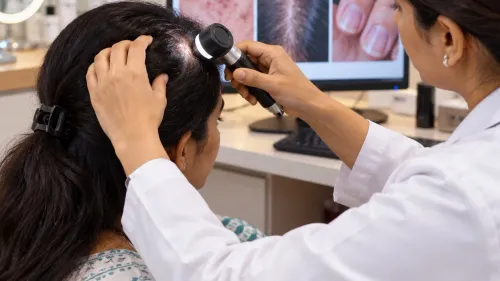
A scalp examination, focused history, and targeted testing should establish the hair-loss diagnosis before any injection. Trichoscopy, also called scalp dermoscopy, shows miniaturised follicles, broken hairs, scale, inflammation, or loss of follicular openings that a routine glance can miss.
Ask when shedding began, whether it followed fever, surgery, childbirth, rapid weight loss, severe stress, or a new medicine, and whether relatives have pattern hair loss. Ask about tight hairstyles, itching, burning, pain, pustules, autoimmune disease, thyroid symptoms, heavy periods, dietary restriction, and pregnancy plans.
Record current medicines; antiandrogen treatment, including finasteride, requires individualized sex- and pregnancy-specific counselling because tablet exposure can harm a fetus.
The examination helps separate common patterns from conditions needing different treatment:
| Condition | Clues on examination or history | Useful next step |
|---|---|---|
| Androgenetic alopecia | Gradual widening part or receding hairline with miniaturised follicles | Discuss pattern-hair-loss treatment, including whether PRP fits |
| Telogen effluvium | Diffuse shedding beginning months after an illness, stressor, or nutritional change | Find and correct the trigger |
| Alopecia areata | Smooth, sharply defined patches or exclamation-mark hairs | Dermatology assessment and targeted treatment |
| Traction or inflammatory alopecia | Tight-hairstyle history, pain, scale, pustules, or shiny skin without follicular openings | Stop traction; urgent evaluation prevents permanent loss |
A hair-pull test supports the assessment but does not identify every cause. Order ferritin, TSH, vitamin B12, or vitamin D when symptoms or history justify them. A scalp biopsy may be needed when trichoscopy or dermoscopy cannot distinguish inflammatory or scarring alopecia; do not delay that evaluation for PRP.
What happens during PRP or GFC treatment?
A PRP appointment usually takes 45–90 minutes. Before treatment, the clinician confirms your diagnosis, reviews medicines and bleeding risks, and records standardized scalp photographs so later changes are comparable.
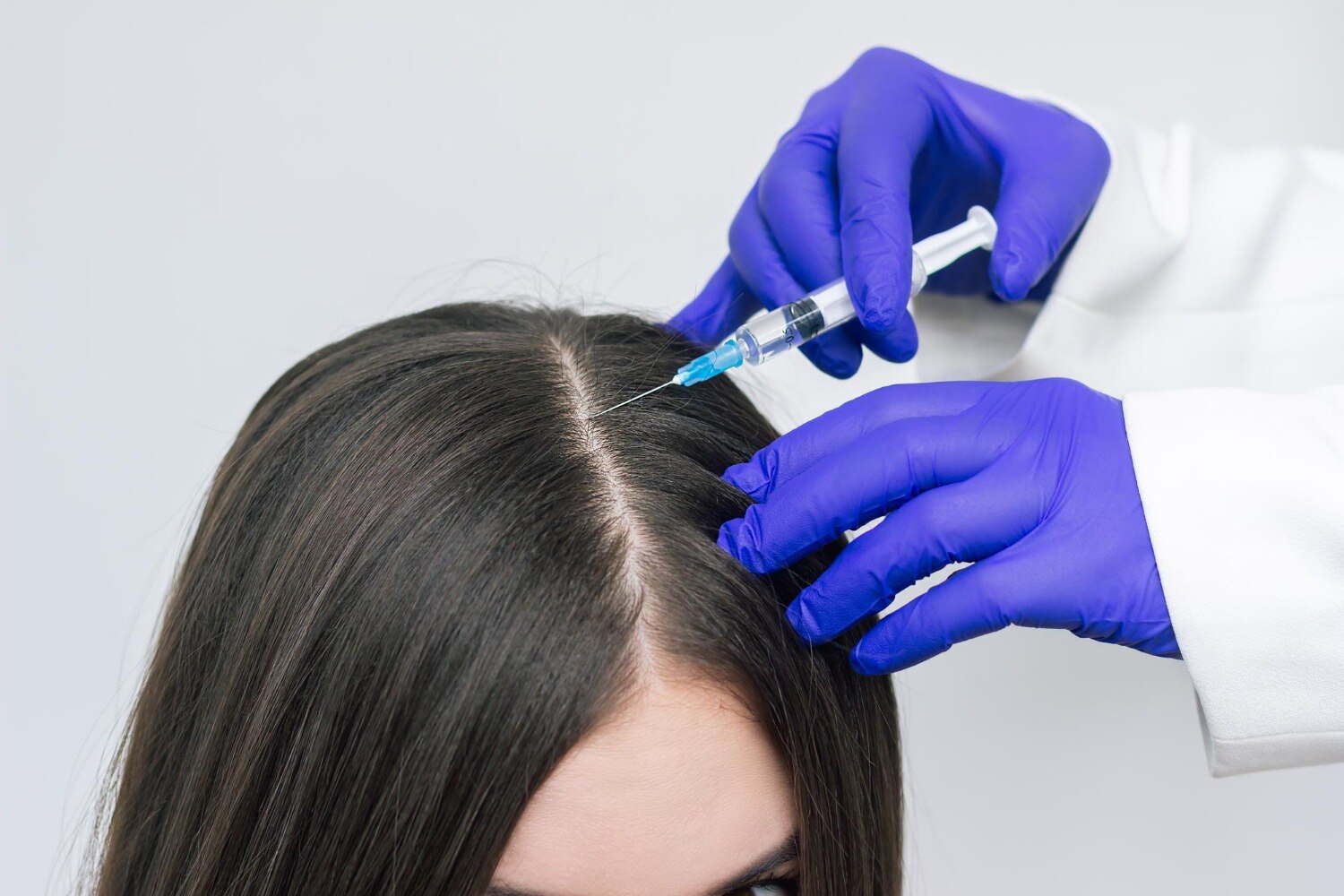
1. The clinician performs a blood draw and centrifugation, separating a platelet-containing plasma layer from red blood cells. For PRP injections for hair, the preparation may be activated before small amounts are placed into thinning areas. Protocols differ in platelet concentration, injection depth, volume, and session spacing.
2. GFC hair treatment uses your blood to prepare a growth-factor concentrate through a clinic-specific processing method. Ask exactly what is isolated, how it is processed, and how many injections or treatment zones are planned; a concentration number alone does not prove better results.
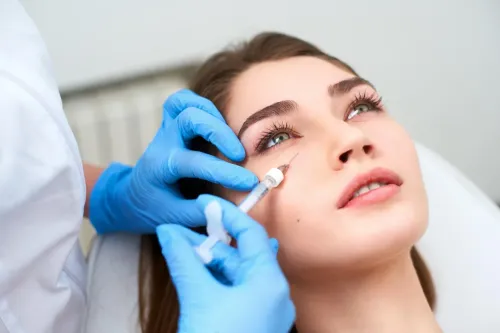
3. The scalp is cleaned and numbed with topical or local anaesthetic. A clinician then injects the selected preparation across areas with miniaturised follicles, often using multiple closely spaced injections. You may feel pinching, pressure, or brief burning.
4. Expect tenderness, redness, swelling, or small bumps for one to three days. These are common PRP side effects; contact the clinic for worsening pain, spreading redness, pus, fever, or persistent bleeding.
Afterward, follow the clinic’s washing and exercise instructions, avoid rubbing or scratching the scalp, and do not stop prescribed medicines unless your clinician tells you to. Most people resume routine activities the same day or next day, but visible hair-density assessment requires the planned follow-up period.
How does PRP compare with medicines and other hair-loss options?
The right choice depends on the diagnosis, follicle survival, treatment burden and your medical risks. PRP is a reasonable add-on, or an alternative for someone seeking a nonsurgical autologous procedure, when pattern hair loss has preserved miniaturised follicles. It has not been shown to be superior to established medicines.
| Option | What it means | When it applies |
|---|---|---|
| Trigger treatment | Correct the cause rather than stimulate follicles | Choose this for telogen effluvium linked to iron deficiency, thyroid disease, medication, illness or major stress; PRP will not remove that trigger |
| Topical minoxidil | Daily scalp treatment that supports growth and slows miniaturisation | A standard first-line option for male- and female-pattern loss; stopping it usually loses the benefit |
| Oral finasteride | Prescription medicine that reduces dihydrotestosterone | An established option for many men with pattern hair loss; discuss sexual, mood and pregnancy-related safety concerns before use |
| Low-level light therapy | Repeated light exposure through a device | Consider it when you want a non-drug option and can maintain regular sessions |
| Microneedling for hair loss | Controlled needle injury intended to stimulate repair signals | Consider it as an adjunct, not a substitute for diagnosis or proven treatment |
| PRP | Injections of your own platelet-containing plasma | Consider it for preserved, miniaturised follicles when you accept variable protocols and repeated visits |
| Transplantation | Moves donor follicles into stable thinning or bald areas | Choose it for stable loss with sufficient donor hair, especially when an area is completely smooth and shiny |
Pain, burning, pustules, heavy scale or loss of follicular openings requires prompt evaluation for inflammatory or scarring alopecia. Treat that condition first; delaying it for PRP can mean permanent follicle loss.
What should you confirm before committing to a PRP plan?
Do not book the first injection until the clinician documents your diagnosis and defines what success would look like. PRP protocols differ in platelet concentration, additives, injection depth, volume and timing, so a claimed platelet count alone cannot prove a better plan.
| Area | Confirm before treatment | Why it matters |
|---|---|---|
| Schedule | Number of sessions, PRP session spacing, reassessment date and PRP maintenance plan | You can compare the full course rather than one appointment |
| Safety | Medication review, bleeding or platelet disorders, anaemia, scalp infection and pregnancy-related considerations | Blood draws and injections are not risk-free |
| Measurement | Standardized hair-density photographs, fixed lighting, hair length and parting, plus a density or thickness measure | Casual before-and-after images can mislead |
| Cost | Price per session, total initial course, maintenance cost, review fees and cancellation rules | The advertised session price may not be the treatment cost |
| Alternatives | Medicines, trigger treatment, observation or transplantation, with reasons for choosing PRP | PRP should not delay more suitable care |
| Failure plan | Time allowed for reassessment and the next step if density does not improve | You need an exit strategy |
At Skinzone Clinic-Skin, Hair & Aesthetic Clinic Pune, ask the clinician to record baseline photographs and specify the reassessment measure, not just promise “better growth.”
Ask whether pain, burning, heavy itching, pustules, perifollicular scale or shiny areas without follicular openings require another evaluation first. Also ask how long you should continue proven treatments, because stopping them can make a PRP result difficult to interpret.
Related service
PRP & GFC Therapy for Hair Growth in Bibwewadi, Kondhwa, Swargate, Pune, PCMC Are you struggling with hair thinning, hair loss, or reduced hair volume? At Skinzone Clinic, Pune, led by Dr. View service → |
Frequently asked questions
Which thinning hair patterns may be considered for PRP?
Gradual thinning from androgenetic alopecia is the clearest pattern when follicles remain visible and produce miniaturised hairs. PRP cannot restore follicles destroyed by scarring.
What diagnosis should come before PRP or scalp injections?
A clinician should examine the scalp and review the shedding pattern, medical history, medicines, and possible causes before recommending injections. Dermoscopy can show follicular openings and miniaturised hairs.
What happens during PRP or GFC treatment?
Blood is collected and processed for PRP, while GFC uses growth-factor material prepared from the patient’s blood. The selected preparation is injected into targeted scalp areas after the treatment plan is explained.
How does PRP compare with medicines and other hair-loss options?
Medicines, observation, camouflage, low-level light devices, and hair transplantation address different causes or stages of hair loss. The right comparison depends on diagnosis, remaining follicles, treatment effort, risks, and goals.
What should you confirm before committing to a PRP plan?
Confirm the diagnosis, preparation used, number and spacing of sessions, aftercare, expected timeline, risks, total follow-up plan, and what happens if density does not improve.