A medi-facial is not one fixed recipe: the same cleanser, acid, extraction method or device intensity can help one person and irritate another. By the end, you will know which skin findings change the protocol, how medi-facials compare with other treatments, and what to ask before booking.
Key takeaways
- Assessment findings determine the protocol, not simply whether skin is oily or dry.
- Active irritation, infection, sunburn, or open wounds can require postponement.
- Ask which ingredients, devices, and aftercare steps suit your sensitivity and concerns.
- Compare medi-facials by clinical steps, downtime, risks, and who performs them.
The Skin Assessment Comes Before the Facial
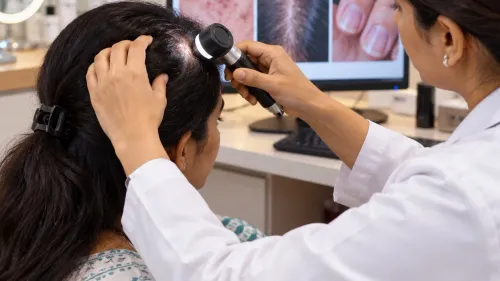
A clinician chooses the protocol after a skin assessment, not from the label “oily” or “dry.” They examine hydration, oiliness and sensitivity assessment findings, redness, scaling, clogged pores, active lesions, pigmentation, and the condition of your skin barrier.
They also ask about acne medicines, allergies, recent procedures, cold sores, eczema, and reactions to acids or fragrances.
| Assessment finding | Protocol decision | Why it matters |
|---|---|---|
| Oily or acne-prone skin with stinging or scaling | Use a mild cleanser, limited exfoliation, gentle extraction and a non-comedogenic moisturizer | Harsh degreasing can damage the barrier and increase sensitivity |
| Redness, burning or visible vessels | Avoid aggressive exfoliation and heat; consider a calming plan | Rosacea or contact dermatitis can worsen after generic facial steps |
| Dehydrated, tight or flaky skin | Prioritize hydration and barrier-supportive products | Strong acids or repeated scrubbing can prolong irritation |
| Active inflammatory acne, open wounds, eczema flare, herpes or another infection | Postpone abrasive, puncturing or peeling procedures | Treatment can increase pain, delayed healing and infection risk |
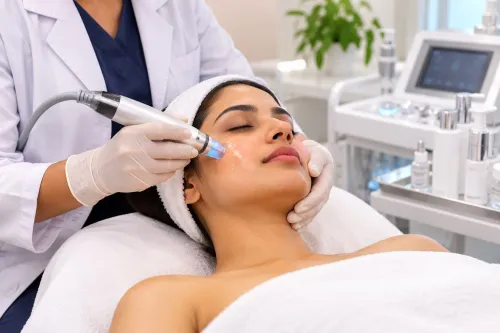
| Need for microneedling or LED | Match device, settings, wavelength, dose and eye protection to the indication | These are medical treatment variables, not automatic facial add-ons |
The clinician should name every product, acid concentration, device and setting. A “medi-facial” is not a standardized protocol, so the plan must fit the diagnosis and current skin condition.
How the Protocol Changes for Each Skin Type
The label alone does not set the protocol: the clinician first checks the barrier and rules out rosacea, dermatitis, melasma or inflamed acne that generic exfoliation or extraction could worsen. Customization then follows the skin’s behaviour:
- Oily skin: use a mild cleanser, controlled exfoliation and non-comedogenic hydration; harsh degreasing can cause stinging, scaling and rebound sensitivity.
- Dry skin: limit exfoliation and extraction, prioritise barrier-supporting ingredients, moisturising masks and hydration without fragranced irritants.
- Combination skin: treat the T-zone and cheeks differently, using targeted pore care on oilier areas and gentler hydration on drier areas.
- Sensitive skin: skip steam, hot water, abrasive scrubs, vigorous massage, fragrance and strong acids; shorten treatment time when burning or flushing begins.
- Acne-prone skin: avoid squeezing inflamed lesions and postpone treatment over infection or active inflammatory acne. Blue or red LED may be an adjunct, not a replacement for acne care.
- Pigmented skin: choose low-irritation exfoliation and pigment-safe settings because inflammation can deepen dark marks, especially after aggressive procedures.
- Mature skin: favour hydration, barrier repair and conservative exfoliation; device intensity and duration should match thinner, less resilient skin rather than a standard package.
Matching Individual Steps to Specific Skin Concerns
The selected step should address the skin problem without damaging the barrier. Dehydration needs water-binding ingredients and a gentle, non-stripping cleanse; excess oil does not justify harsh degreasing, which can cause stinging and scaling.
| Concern | Steps that may be selected | Important limit |
|---|---|---|
| Dehydration | Gentle cleansing, hydrating serum or infusion, and a barrier-supporting mask and moisturiser | Avoid aggressive exfoliation if the skin stings or flakes |
| Clogged pores | Salicylic-acid cleansing, controlled superficial exfoliation, and selective extraction | Forceful extraction can worsen inflammation and post-inflammatory marks |
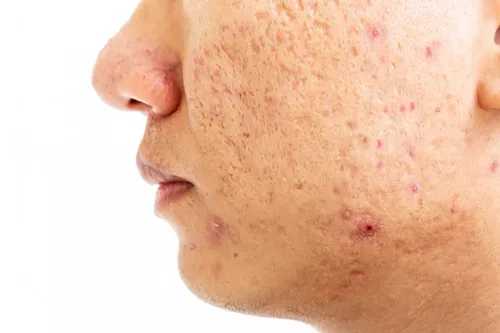
| Active acne | Usually postpone abrasive, puncturing, or irritating steps and arrange medical acne assessment | Do not microneedle or extract over inflamed, cystic, infected, or open lesions |
| Pigmentation | Carefully chosen superficial peel, brightening ingredients, and strict post-treatment sun protection | Excess irritation can deepen post-inflammatory pigmentation |
| Dullness | Mild exfoliation, gentle polishing, and a hydrating mask | Stronger is not automatically brighter; over-exfoliation damages the barrier |
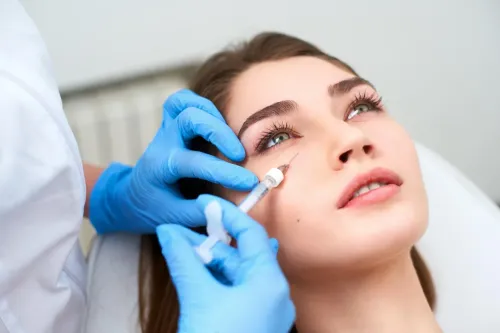
| Fine lines | Hydration, antioxidant support, and LED as an adjunct; microneedling only after suitability assessment | Microneedling creates controlled punctures and carries risks including infection, prolonged redness, flares, and pigment change |
| Redness | Non-fragranced cleansing, calming ingredients, reduced device intensity, and a soothing mask | Avoid heat, aggressive massage, and exfoliation until rosacea or dermatitis is assessed |
LED is not a universal substitute for acne or rosacea treatment; wavelength, dose, exposure time, eye protection, and device quality matter. Open wounds, eczema flares, herpes, or other infections call for postponement.
What Changes During Customization—and How Treatments Compare
Customization changes the recipe, not merely the product name. A clinician can adjust cleanser strength, exfoliant type and concentration, extraction method, infusion ingredients, mask choice, device intensity, contact time and treatment duration. Ask for the exact acid, pH, number of coats, device setting and clinical reason; “medical” or “natural” does not predict safety.
| Option | What it means | How it differs |
|---|---|---|
| Customized medi-facial | A selected combination of cleansing, exfoliation, extraction, masks, infusions or light therapy | Adjusted to your diagnosis, barrier condition and concern; the label alone is not a standardized protocol |
| Regular facial | Cosmetic cleansing, exfoliation, massage, extraction and masking | Follows a broader beauty routine with less medical assessment and fewer documented settings |
| HydraFacial | A branded device sequence using liquid exfoliation, vacuum-assisted cleansing and serum delivery | Device-based and more fixed; suction and solutions still need modification for sensitive or inflamed skin |
| Chemical peel | An acid solution creates controlled chemical exfoliation | Depth depends on acid, pH, free acid, coats, contact time and preparation—not percentage alone |
| Microdermabrasion | Abrasive particles or a diamond tip mechanically remove surface cells | Physical resurfacing can aggravate a damaged barrier or active inflammation |
| Laser treatment | Concentrated light targets pigment, vessels, hair or collagen | More targeted energy, with different risks, settings and downtime than a facial |
A customized medi-facial is not automatically safer. Aggressive extraction or repeated exfoliation can worsen acne, redness, scarring and post-inflammatory pigmentation.
What Happens During the Appointment and When to Postpone It
A typical treatment duration is 30 to 60 minutes, depending on the selected steps. The clinician should confirm the products, acids, devices and settings before touching your skin, because “medi-facial” has no single standardized protocol.
- Cleansing removes sunscreen, oil and makeup.
- Exfoliation uses a selected enzyme, acid or gentle device to loosen surface cells. You may feel warmth, tingling or mild stinging.
- Extraction, if needed, targets superficial comedones. Forceful extraction can worsen inflammation and leave marks.
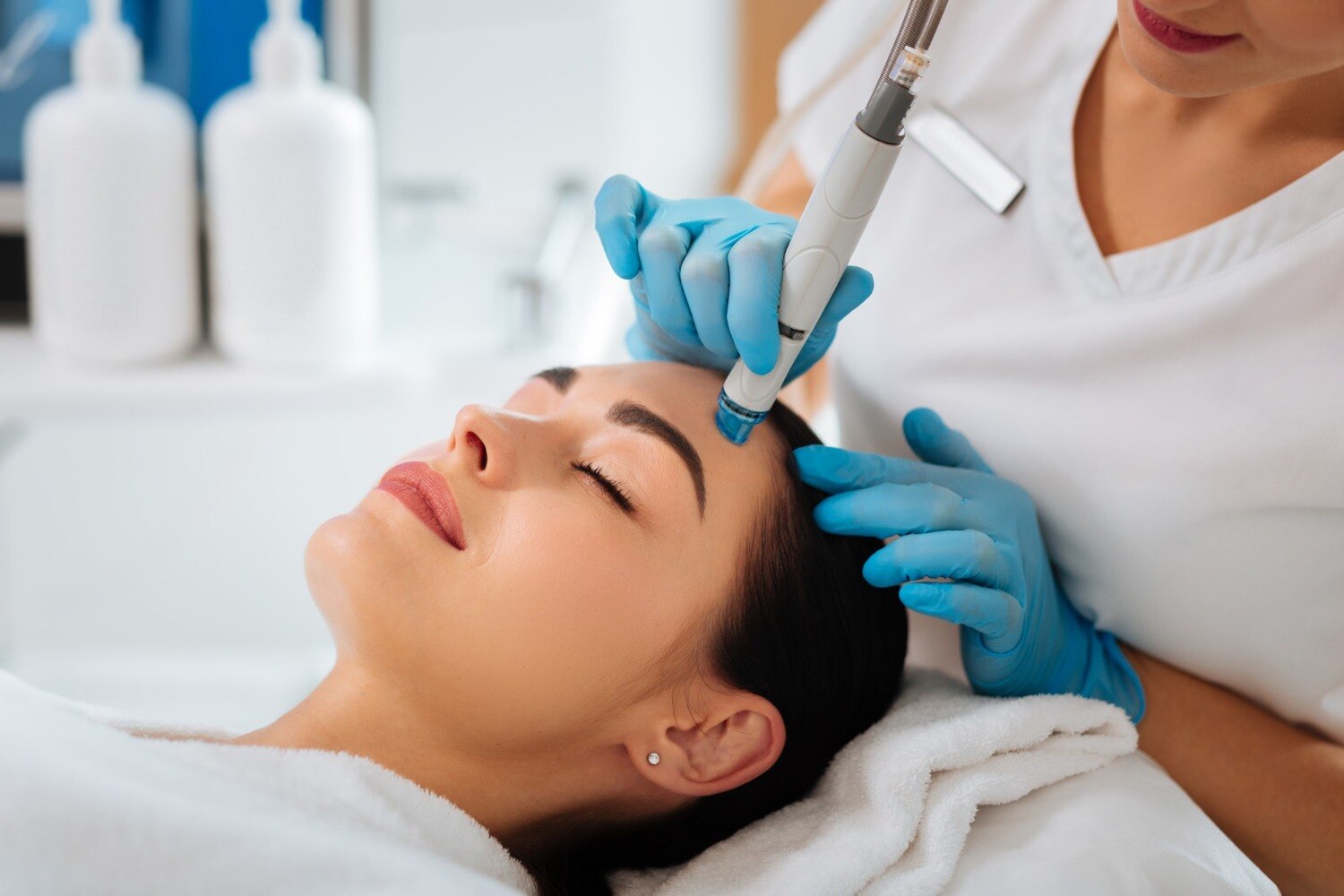
- The provider applies a mask, serum or infusion chosen for your concern. LED may follow, with eye protection and a specified exposure time.
- Moisturizer and broad-spectrum sunscreen finish the appointment, followed by aftercare instructions.
Temporary redness, tightness and dryness can follow exfoliation, a peel or extraction. Microneedling causes more noticeable pinpoint bleeding, tenderness and redness because it punctures the skin; it is not equivalent to a hydrating facial.
Postpone treatment for active infection and open wounds, herpes lesions, an eczema flare, sunburn, severely irritated skin or inflamed acne. Wait until burning, crusting, dermatitis or prolonged redness has settled. Inflamed, cystic or scarring acne needs medical assessment rather than aggressive extraction, and a clinician should review medicines or recent procedures before selecting a protocol.
Questions to Ask Before Choosing a Clinic or Protocol
Before booking, disclose anything that changes irritation, infection, bleeding, or pigmentation risk—not just whether your skin is oily or dry. Tell the clinician about retinoid use, current or recent isotretinoin, allergies and pregnancy, recent waxing, sun exposure, cold sores, active acne, rashes, medications, and previous peels or procedures.
Ask these questions:
- What diagnosis and barrier findings support this protocol?
- Which cleanser, acid, concentration, mask, extraction method, device, wavelength, irradiance, dose, exposure time, and eye protection will you use?
- If you propose microneedling, why is it needed, what needle depth and sterile precautions apply, and how will you avoid active infection or inflamed acne?
- Which aftercare products and warning signs require review?
| Clinic option | Verify | Why it matters |
|---|---|---|
| Generic medi-facial | Named steps, products, settings, and indication | The label does not identify the treatment |
| LED add-on | Wavelength, device quality, dose, and eye protection | LED is an adjunct, not a universal acne or rosacea replacement |
| Extraction or peel | Lesion selection and controlled technique | Deep squeezing can cause inflammation, marks, or scars |
At Skinzone Clinic-Skin, Hair & Aesthetic Clinic Pune, ask for this written protocol before comparing a medi-facial with a HydraFacial.
Frequently asked questions
What does a clinician assess before a medi-facial?
They assess hydration, oiliness, sensitivity, redness, scaling, clogged pores, active lesions, pigmentation, and the skin barrier.
How is a medi-facial customized for different skin types?
The clinician adjusts cleansing, exfoliation, active ingredients, extraction, hydration, soothing steps, and intensity according to skin response.
How are medi-facial steps matched to specific skin concerns?
The protocol targets concerns such as clogged pores, dehydration, redness, pigmentation, or uneven texture without aggravating the skin barrier.
When should you postpone a medi-facial?
Postpone it during active irritation, infection, sunburn, open wounds, or another condition that makes treatment unsafe.
What should you ask before choosing a medi-facial clinic?
Ask who performs the assessment, which steps and products will be used, expected downtime, risks, aftercare, and when results should be reviewed.