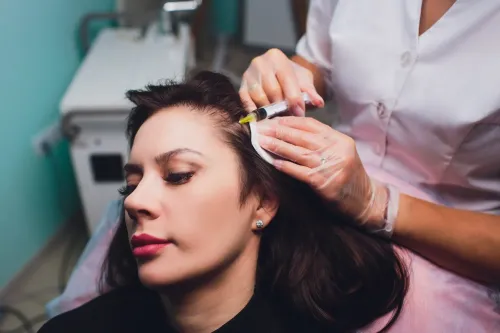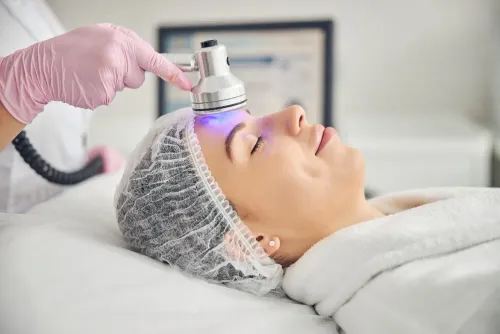
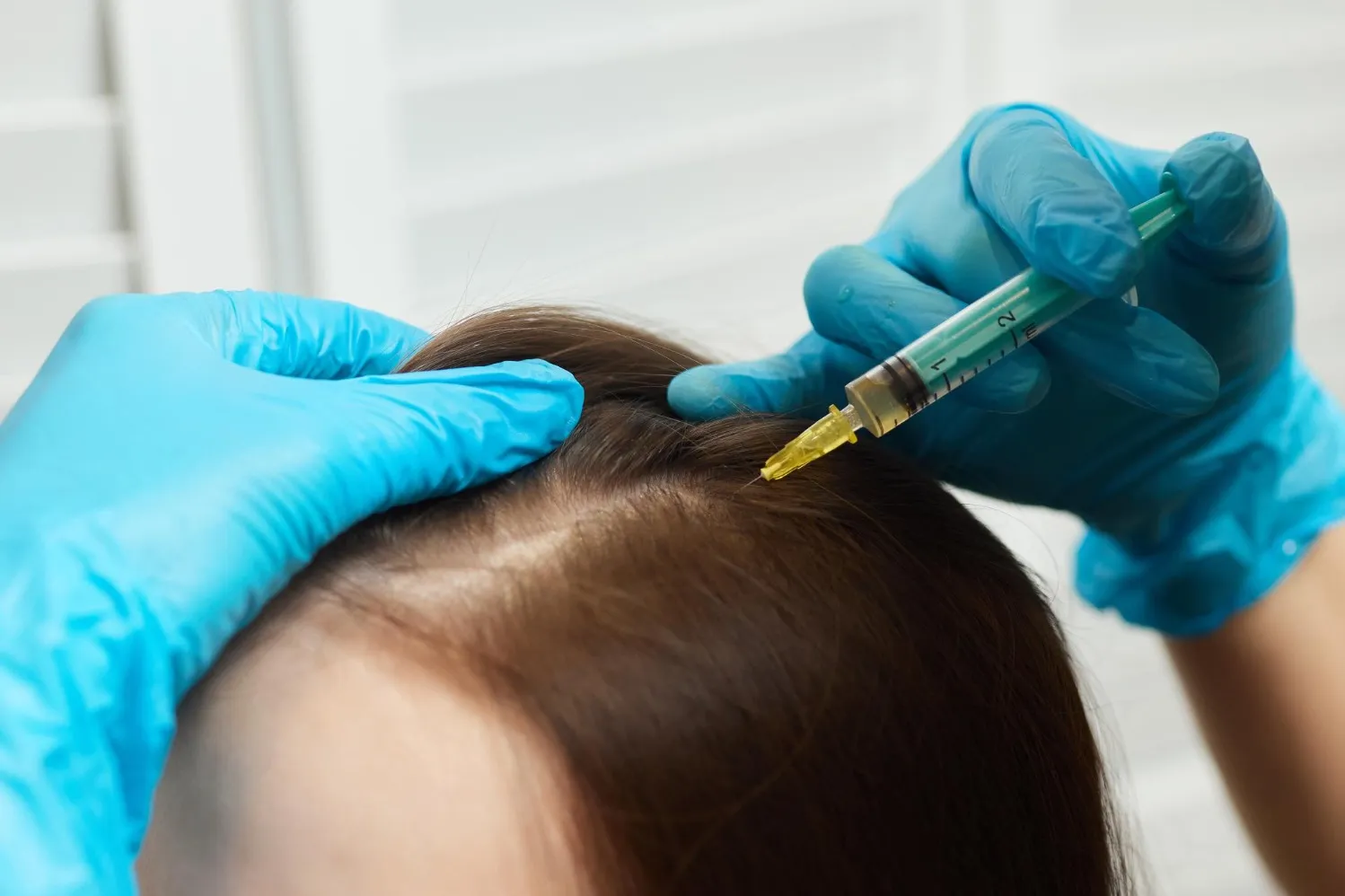
Finding more hair than usual on a pillow, noticing reduced volume while styling, or seeing increased scalp visibility can lead to concern about progressive hair loss. One treatment frequently researched at this stage is PRP treatment.
PRP, meaning platelet-rich plasma, is used in several medical fields and is also considered in selected hair-restoration plans. Its suitability depends on the type and stage of hair loss, making diagnosis an important first step.
What PRP Involves
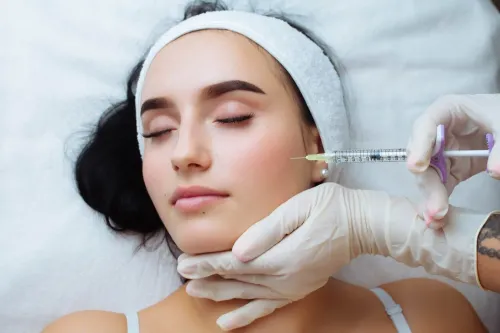
PRP is prepared using a sample of the patient's own blood.
The blood is processed to obtain a platelet-concentrated component, which is then administered according to the clinical protocol.
In hair restoration, PRP may be considered as part of a treatment strategy intended to support existing follicles in suitable patients.
Because hair loss has many causes, the presence of thinning alone does not automatically mean PRP is the correct treatment.
Identify the Hair-Loss Pattern First
A hair assessment may look at:
- Pattern and distribution of thinning
- Hair density
- Scalp condition
- Duration of hair loss
- Rate of progression
- Family history
- Recent illness or stress
- Medication history
- Previous treatments
When clinically indicated, additional investigation may be recommended to look for contributing factors.
This distinction matters because progressive pattern thinning and temporary shedding are not managed in exactly the same way.
PRP Is Not the Same as Hair Transplantation
These treatments have fundamentally different purposes.
PRP works with the person's existing scalp and follicles. Hair transplantation relocates suitable follicles from a donor area into areas affected by established hair loss.
Someone with early thinning and viable follicles therefore represents a very different treatment situation from someone with extensive bald areas.
In some hair-restoration plans, medical treatment, regenerative procedures, and transplantation may be discussed at different stages rather than treated as interchangeable options.
How Many Sessions Are Needed
Treatment schedules vary according to the clinical protocol and individual situation.
Patients should be cautious about assuming that one session will provide a complete result. Hair growth cycles take time, and any response needs to be assessed over an appropriate period.
Consistent photographs taken under similar lighting and positioning can help document changes more reliably than checking the mirror every day.
Ask About the Complete Hair Plan
Before beginning PRP, ask whether the proposed plan addresses the underlying hair-loss condition.
Useful questions include whether established medical treatments are relevant, how progression will be monitored, what maintenance may be required, and when the response will be reviewed.
Hair care, nutrition, scalp health, and other contributing factors may also need consideration depending on the individual.
Timing Can Matter
People researching PRP treatment in Pune, Maharashtra, often do so after noticing that thinning has become visible.
Earlier assessment can be useful because treatments intended to support existing follicles are fundamentally different from procedures designed to restore areas where significant permanent hair loss has already occurred.
At Skinzone Clinic, hair assessment can help establish the pattern and stage of thinning before PRP treatment is considered.
Rather than choosing PRP simply because it is widely discussed for hair fall, the more useful approach is to establish why the hair is thinning and determine whether PRP has a reasonable role within the overall management plan.
Keywords