Persistent hair thinning can lead people through years of shampoos, supplements, serums, medicines, and clinic procedures. At some point, patients with suitable patterns of permanent hair loss may begin considering a hair transplant.
The important question is not simply whether transplantation is available. It is whether the individual is an appropriate candidate.
Hair Transplantation Does Not Treat Every Form of Hair Loss
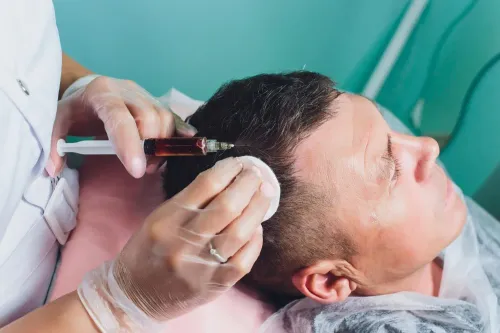
A transplant relocates suitable hair follicles from a donor area to areas requiring restoration. It does not correct every underlying cause of hair shedding.
Someone experiencing temporary diffuse shedding may need an entirely different approach from a patient with established patterned hair loss.
Diagnosis should therefore come before surgical planning.
Donor Hair Is an Important Limitation
The donor area contains a finite number of follicles suitable for transplantation.
Planning should take into account not only current thinning but also the possibility of future progression.
Using donor grafts without considering long-term hair-loss patterns may create challenges later.
Hairline Design Should Look Appropriate Over Time
A very low or unnaturally dense hairline may appear appealing in an edited photograph but may not remain aesthetically suitable as a person ages.
Hairline planning considers factors such as:
- Facial proportions
- Existing hairline
- Age
- Pattern of loss
- Donor availability
- Expected future thinning
- Desired density
Naturalness depends heavily on thoughtful design and graft placement.
Know What Surgery Can Realistically Achieve
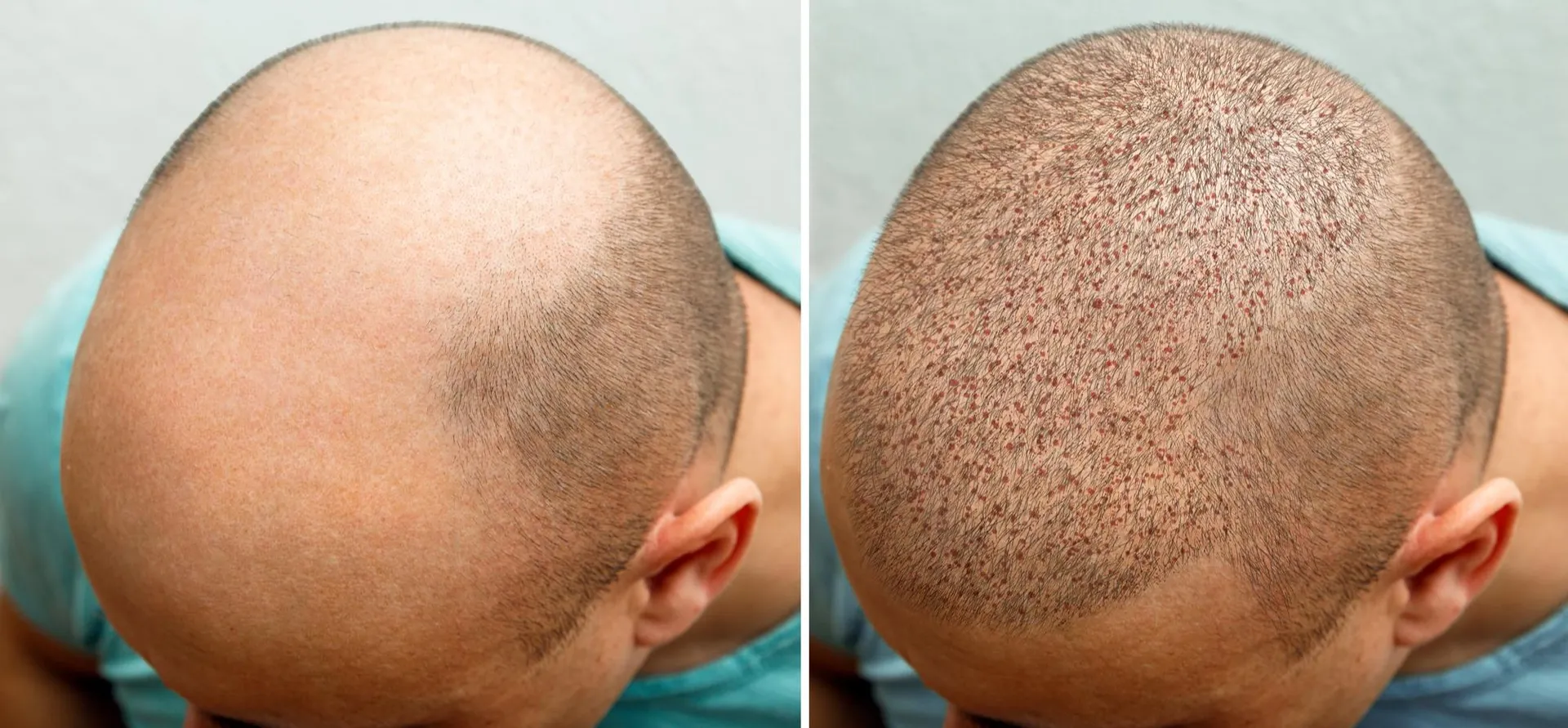
A transplant redistributes existing donor follicles. It does not create an unlimited supply of new hair.
Final density depends on the donor area, recipient area, number of usable grafts, hair characteristics, and surgical plan.
Patients with extensive baldness may have different achievable outcomes from people treating a smaller area.
Choosing Hair Transplant Care in Pune
People researching hair transplant treatment in Pune should look beyond price-per-graft advertising.
A proper consultation should establish:
- The diagnosis
- Stability of hair loss
- Donor-area quality
- Recipient-area requirement
- Proposed hairline
- Expected graft requirement
- Post-procedure care
- Long-term hair-loss management
Skinzone Clinic provides hair and dermatology services in Pune where patients can have hair-loss concerns assessed before deciding whether surgical restoration is appropriate.
Signs You Are Ready for a Consultation
A hair transplant assessment may be reasonable when hair loss has become established, a recognisable pattern is present, non-surgical management has already been considered, and the patient understands that transplantation has practical limitations.
It is equally important to discuss existing hair. Hair surrounding the transplanted area may continue to thin depending on the underlying condition, which is why longer-term management may remain relevant.
A consultation should leave the patient with a realistic picture of what can be achieved rather than simply a graft number.
Hair transplantation can provide meaningful cosmetic restoration for appropriately selected patients, but the strongest treatment plans balance present appearance with future hair-loss progression, donor conservation, and natural design.
Keywords