


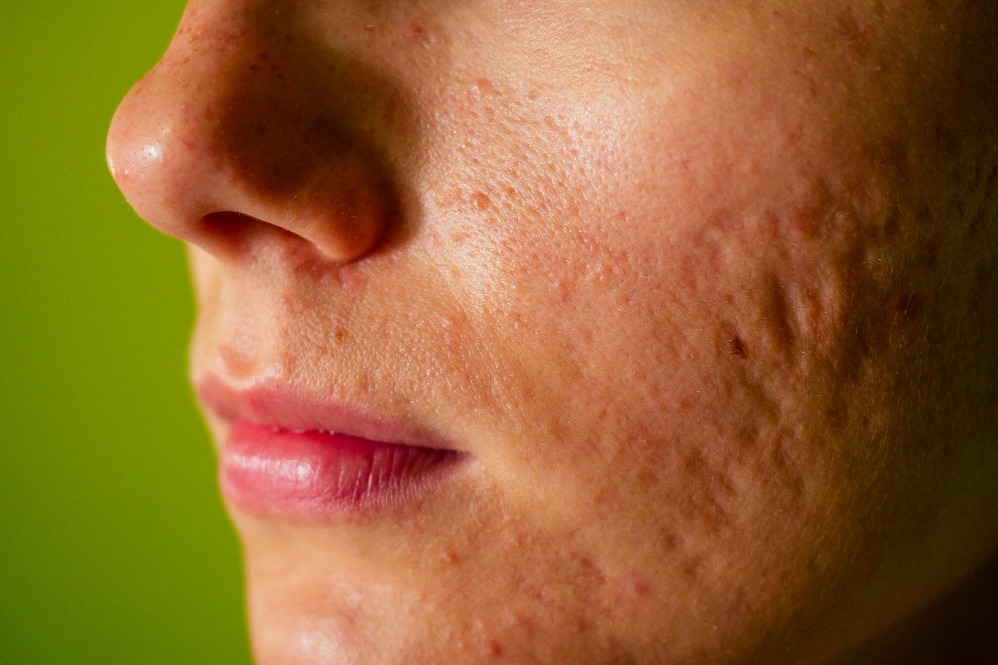
Acne may eventually settle, yet the marks it leaves behind can remain for months or years. One reason people become frustrated with acne scar treatment is that they try procedures without first determining what kind of scar they have.
Not every post-acne mark is a true scar, and not every scar responds to the same procedure.
Start by Identifying What Acne Left Behind
After acne heals, people may notice brown marks, red marks, depressions, enlarged-looking pores, raised scars, or a combination of concerns.
True depressed acne scars can also vary considerably in shape and depth.
This matters because treatment selection depends on scar characteristics rather than simply the presence of “acne scars.”
Why One Procedure May Not Be Enough
Acne scarring can involve several changes within the same face.
One area may have shallow textural irregularities while another contains deeper scars. Consequently, a dermatologist may consider a staged or combination-based plan rather than relying on one procedure for everything.
The objective is usually improvement rather than creating completely poreless or texture-free skin.
Control Active Acne First
Treating scars while new inflammatory acne continues to appear can create an ongoing cycle.
Before focusing heavily on scar correction, it is often important to assess whether active acne is adequately controlled.
Patients should discuss:
- Frequency of new breakouts
- Painful or cystic acne
- Current acne medication
- Skin sensitivity
- Tendency to develop pigmentation
- Previous scar procedures
This information can influence treatment timing.
Avoid Choosing Treatment Through Social Media Alone
Before-and-after images can make a procedure look universally effective. Real skin is more complicated.
Scar depth, skin type, pigmentation tendency, healing response, treatment settings, and aftercare all affect outcomes.
A procedure that worked well for another person may not be the logical first choice for your scars.
Acne Scar Care in Pune
People seeking acne scar treatment in Pune have access to a wide range of technologies and aesthetic procedures. More choice can be useful, but it also makes proper evaluation more important.
Skinzone Clinic assesses skin and aesthetic concerns in Pune so that treatment can be planned according to the patient’s scar pattern and current skin condition.
This is particularly relevant for Indian skin tones, where post-procedure pigmentation can be an important consideration when selecting and planning treatments.
Questions Worth Asking During Consultation
Instead of asking only which treatment is “best,” consider asking:
- What type of scars do I have?
- Is my acne controlled enough to begin scar treatment?
- Which scars are likely to respond best?
- Will I need more than one treatment method?
- What downtime should I expect?
- What aftercare will be required?
- What degree of improvement is realistic?
These questions provide far more useful information than choosing a procedure based only on popularity.
Acne scar management is rarely about finding one universally superior technology. It is about matching the treatment to the scar.
That distinction can save patients from unnecessary procedures and help establish realistic expectations from the beginning.