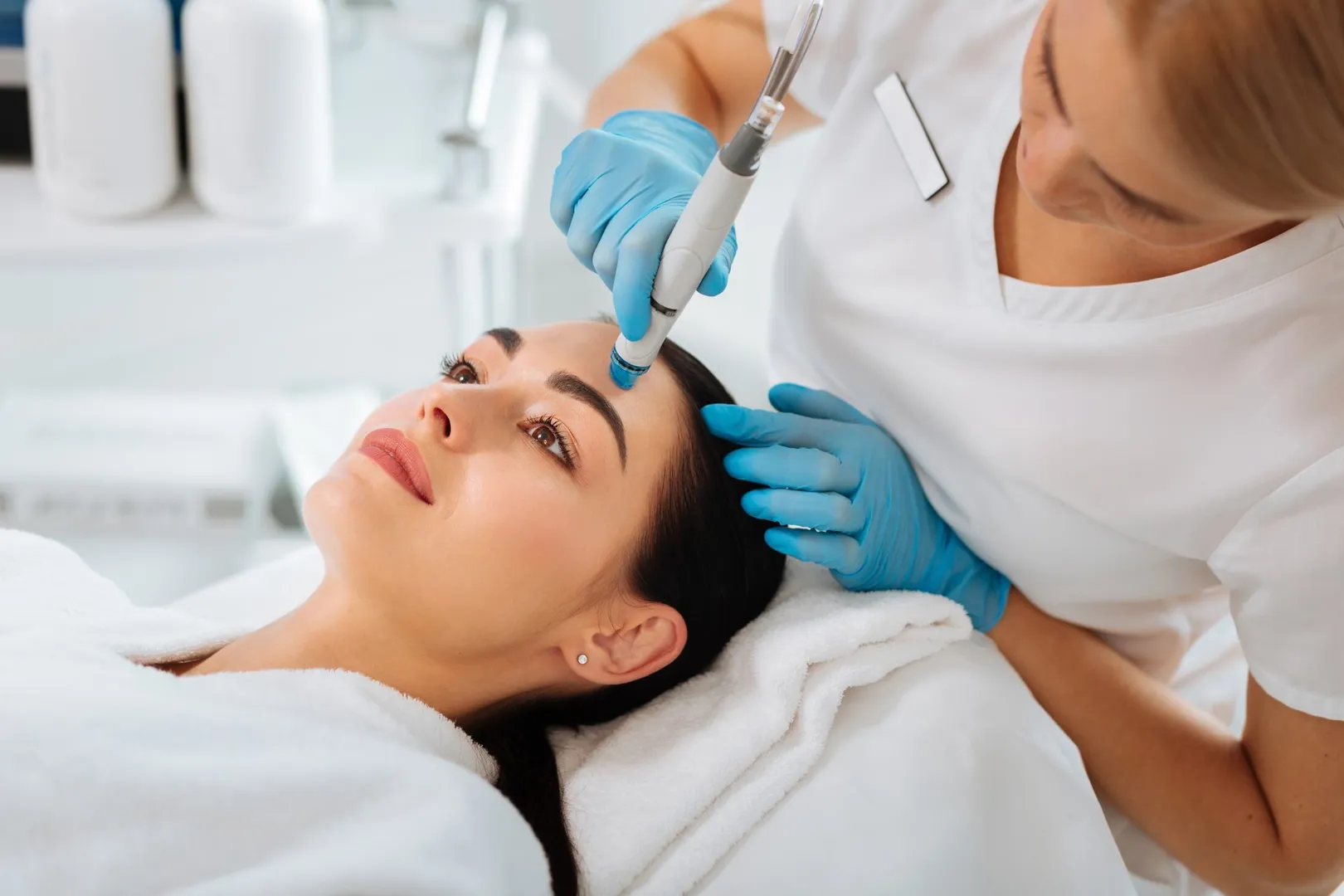
Professional facial treatments can be appealing when the skin feels congested, rough, dehydrated, or generally dull. Among the options commonly considered for routine aesthetic care is Hydrafacial, a multi-step treatment associated with cleansing, exfoliation, extraction, and hydration.
Its popularity, however, can sometimes create the impression that it is a solution for every skin problem. Understanding what the procedure is intended to do helps set more realistic expectations.
What Happens During a Hydrafacial
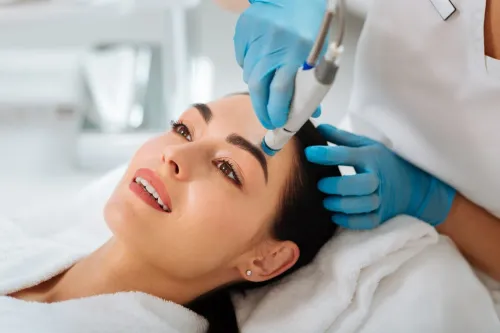
Although protocols can differ, Hydrafacial treatment generally combines several steps within one session.
These may include:
- Surface cleansing
- Controlled exfoliation
- Removal of superficial debris
- Extraction of selected congestion
- Application of hydrating solutions or serums
The treatment is commonly chosen by people interested in refreshed-looking skin with relatively little interruption to their routine.
The exact protocol can be adjusted according to skin characteristics and the treatment being offered.
What Concerns May Make Someone Consider It
Hydrafacial may be discussed for concerns such as superficial dullness, mild congestion, dryness, and uneven surface texture.
It should not, however, be confused with treatment for every dermatological condition.
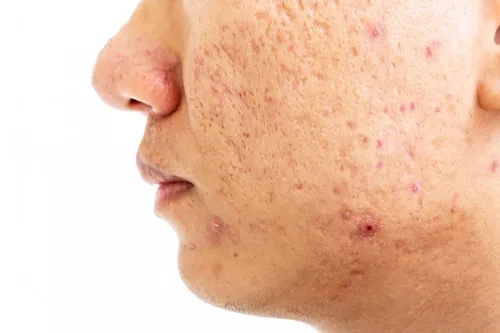
Deep acne scars, significant pigmentation disorders, active inflammatory skin disease, and other medical concerns may require different approaches.
Someone with persistent acne, for example, should have the acne itself evaluated rather than relying only on repeated facial treatments.
How It Differs From a Traditional Facial
Traditional salon facials vary considerably and may involve cleansing, massage, exfoliation, masks, steam, and manual extraction.
Hydrafacial uses a device-based protocol designed to combine cleansing, exfoliation, extraction, and hydration in a controlled sequence.
Neither description automatically makes one appropriate for every person.
Sensitive skin, active irritation, recent procedures, and certain dermatological conditions can affect treatment suitability.
How Often Is Treatment Needed
There is no universal schedule that every person needs.
Frequency depends on the purpose of treatment, skin condition, skincare routine, other procedures, and dermatologist recommendations.
Having frequent procedures cannot compensate for inconsistent daily skincare.
For most people, fundamentals such as appropriate cleansing, moisturisation, sun protection, acne management where needed, and suitable active ingredients have a greater long-term role in skin maintenance.
What About Treatment Before an Event
People often consider Hydrafacial before weddings, celebrations, professional events, or photography because it generally involves limited downtime.
Even then, trying an unfamiliar procedure immediately before an important event may not be ideal for everyone. Individual skin can react differently.
Planning ahead provides time to understand how the skin responds.
Supporting Results Between Sessions
For people receiving professional skin treatments, basic habits remain important:
- Use sunscreen consistently.
- Avoid unnecessarily harsh exfoliation.
- Follow suitable moisturisation.
- Avoid picking active acne.
- Introduce strong skincare ingredients carefully.
- Follow specific post-treatment instructions.
In Pune, Maharashtra, regular sun exposure makes photoprotection particularly relevant when maintaining improvements in skin tone and texture.
At Skinzone Clinic, skin assessment can help determine whether Hydrafacial fits the person's current skin condition and goals or whether another dermatological approach would be more appropriate.
The procedure can be one part of an aesthetic skincare routine, but the strongest routine is still one built around the actual needs of the skin.
Keywords