


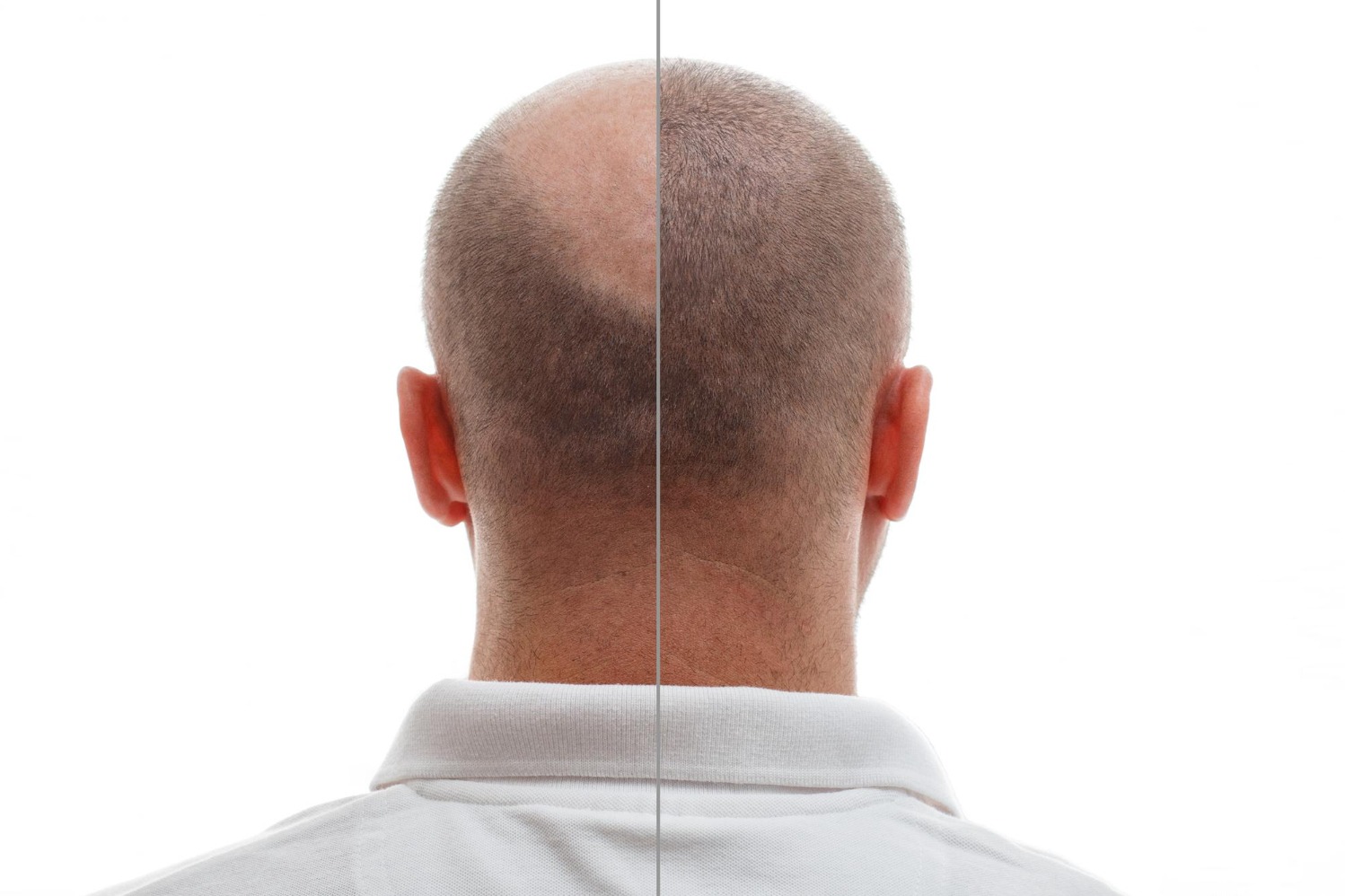
Once hair loss becomes clearly visible, it can be tempting to judge transplantation by one number alone — the number of grafts promised.
Yet graft count is only one part of a much larger decision.
For anyone considering a Hair transplant in Pune, Maharashtra, long-term planning should include diagnosis, donor capacity, hairline design, existing density, future hair-loss progression, surgical technique, and post-procedure management.
Start With the Diagnosis
Not every person with visible hair loss is immediately suitable for transplantation.
The first question should be why the hair has been lost.
Pattern hair loss can potentially be treated differently from temporary shedding, inflammatory scalp conditions, and certain forms of alopecia. If the cause has not been established, moving directly to surgery may overlook important treatment options.
Assessment can help determine whether the hair loss is sufficiently established for transplantation and whether existing hair also needs management.
Donor Assessment Is Essential
A hair transplant does not create new follicles.
It redistributes follicles from a suitable donor area to areas requiring coverage.
This means the donor supply is finite.
A responsible plan considers:
- Donor density
- Hair calibre
- Scalp characteristics
- Size of the recipient area
- Existing hair
- Potential future hair loss
- Previous transplant procedures
- Desired hairline and density
Using donor follicles strategically becomes particularly important for younger patients who may experience further thinning later in life.
Look Beyond the Graft Number
Two patients receiving the same number of grafts can have very different outcomes because hair characteristics and the area requiring coverage differ.
Higher numbers should therefore not automatically be interpreted as better treatment.
A proposed graft estimate should make sense in relation to the donor area and the recipient area. Patients should understand where those follicles will be placed and what level of visual density is realistically expected.
Examine Hairline Planning Carefully
The frontal hairline has a major effect on how natural a transplant appears.
Hairline planning should consider facial proportions, age, existing pattern, future progression, and natural irregularity. The direction and angle of implanted follicles are also important.
An excessively low hairline can consume donor grafts that might be needed later.
A conservative plan can sometimes provide better long-term balance.
Understand Recovery Before Scheduling Surgery
Hair transplantation requires a recovery period.
Patients should understand how to care for the recipient and donor areas, when washing can begin according to the prescribed protocol, which activities may temporarily need to be limited, and when follow-up is expected.
The final appearance is not immediate. Transplanted hairs can go through shedding and subsequent growth phases, with visible changes developing progressively over several months.
Ask What Happens to Existing Hair
A transplant addresses selected areas of established loss, but it does not necessarily stop ongoing thinning in non-transplanted hair.
This makes long-term management particularly relevant.
Depending on the diagnosis and individual suitability, medical or other hair-loss treatments may be discussed to help manage existing hair.
Choose Planning Over Promises
When evaluating a provider, ask for an explanation of the diagnosis, donor assessment, proposed graft distribution, expected density, hairline strategy, recovery, possible risks, and future management.
At Skinzone Clinic, hair restoration assessment can help determine whether transplantation is appropriate and how a treatment plan could be structured around the individual's pattern of hair loss.
A well-considered hair transplant is not simply a one-day procedure. It is a long-term use of limited donor hair, which makes careful planning one of the most important parts of the entire restoration process.